
Learn how to fix sleep disrupted by medications using proven sleep hygiene techniques-without adding more drugs. Discover timing tricks, light strategies, and diet fixes backed by science.
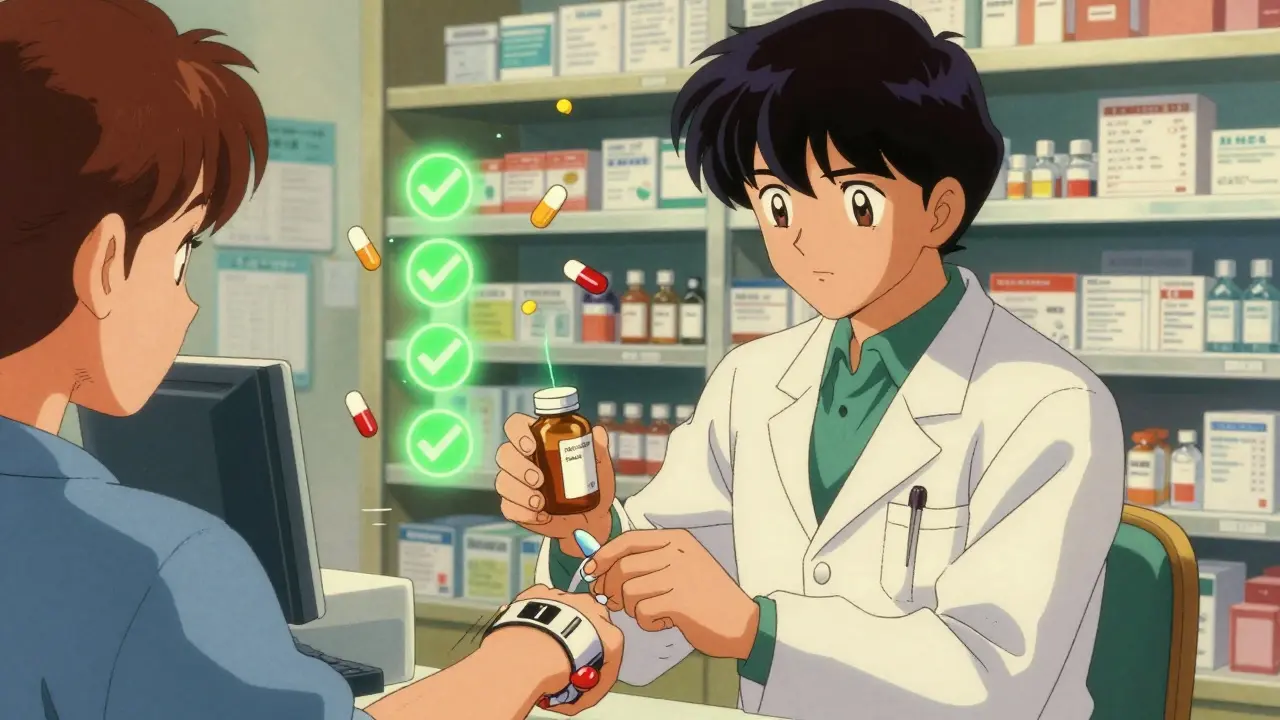
Barcode scanning in pharmacies prevents up to 93% of medication errors by verifying the right patient, drug, dose, route, and time. Learn how this technology works, where it falls short, and why it’s the gold standard for safety.

Cataracts are a common age-related condition that clouds the eye's lens, leading to blurry vision and glare. Cataract surgery is safe, quick, and restores vision in most patients using a new intraocular lens. Recovery takes weeks, and outcomes depend on lens type and overall eye health.
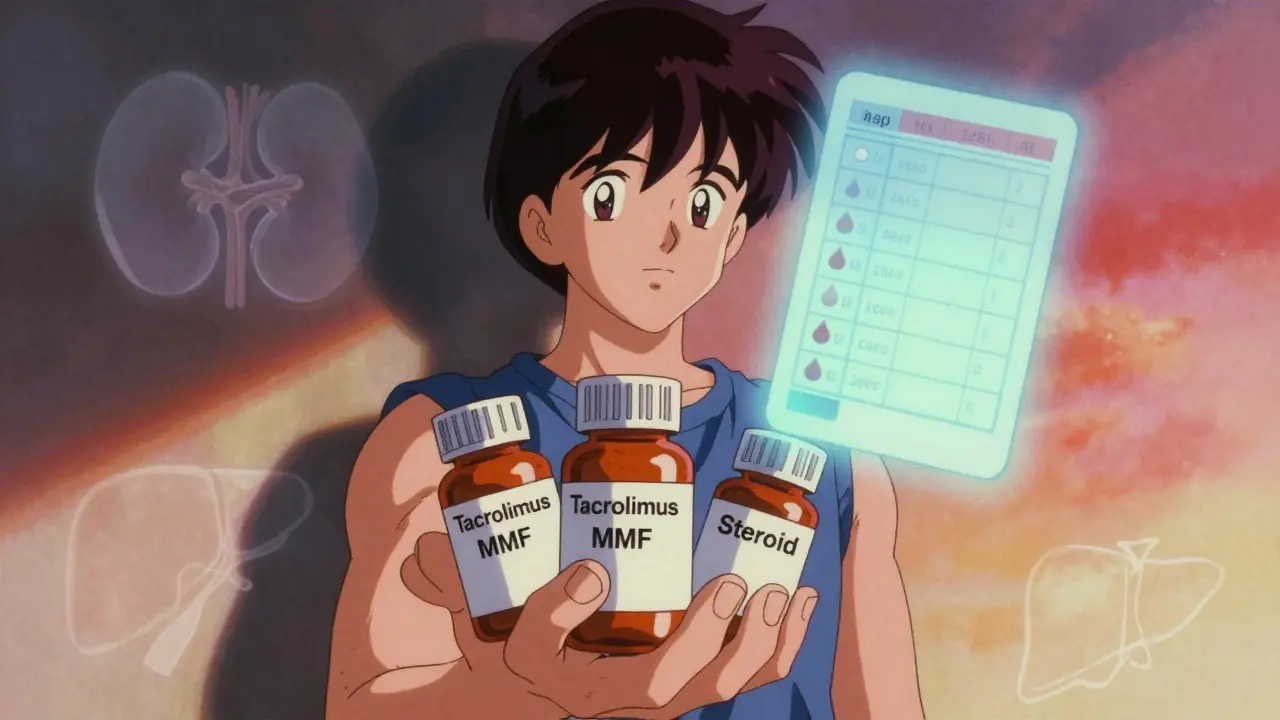
Generic immunosuppressive combinations offer life-saving cost savings for transplant patients, with proven effectiveness when managed properly. Learn which generics are available, how they compare to brands, and what monitoring is needed to avoid rejection.

Multiple sclerosis is an autoimmune disease where the immune system attacks the myelin sheath around nerves, causing vision loss, fatigue, and mobility issues. Learn how it develops, what treatments exist, and what’s on the horizon for patients.
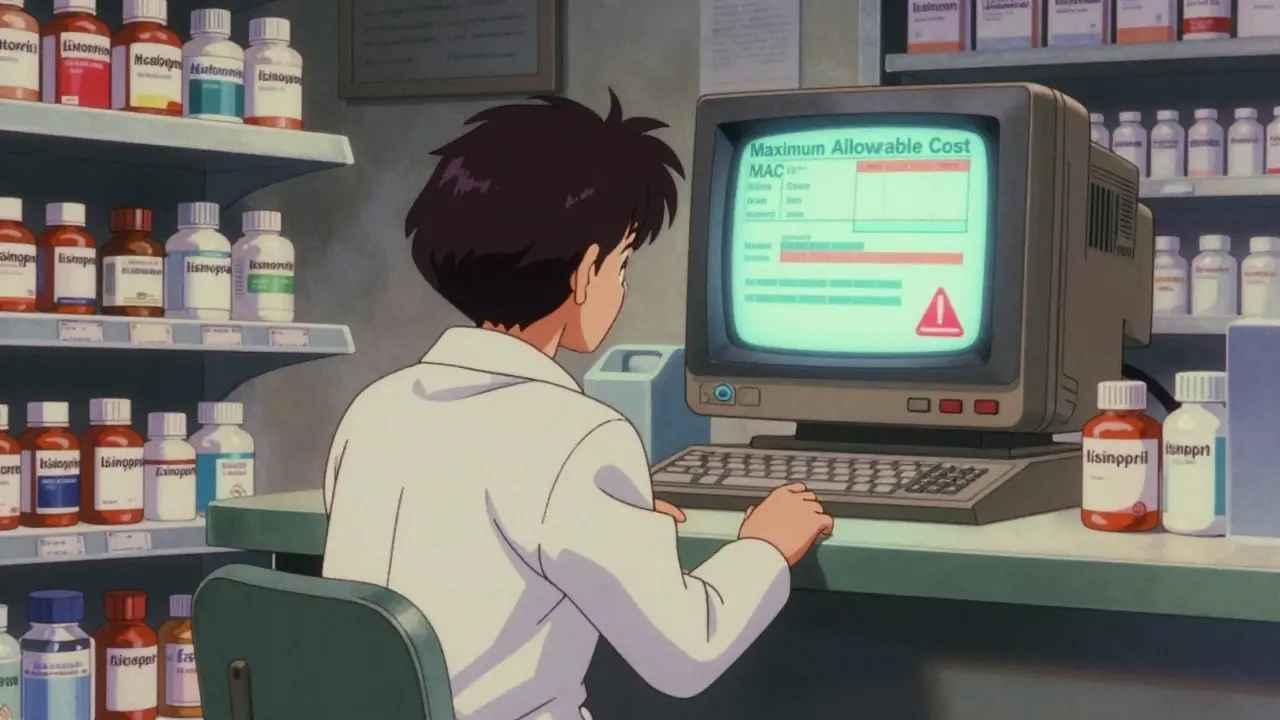
States use Medicaid generic drug policies like rebates, price caps, and mandatory substitution to control prescription costs. With 84% of prescriptions filled with generics, these strategies save billions - but face challenges from shortages and market consolidation.

Learn how to time antimalarials and HIV medications across time zones to avoid treatment failure, drug resistance, and infection. Practical tips for travelers, dosing schedules, and what to do when you miss a pill.

Celiac disease requires lifelong gluten avoidance and targeted nutrient supplementation to heal the gut and prevent serious complications like anemia, osteoporosis, and autoimmune disorders. Learn how to eat safely and restore your health.

Learn proven psychological strategies to manage anxiety about medication side effects, including CBT, symptom tracking, and the nocebo effect. Reduce fear, improve adherence, and stay on track with your treatment.
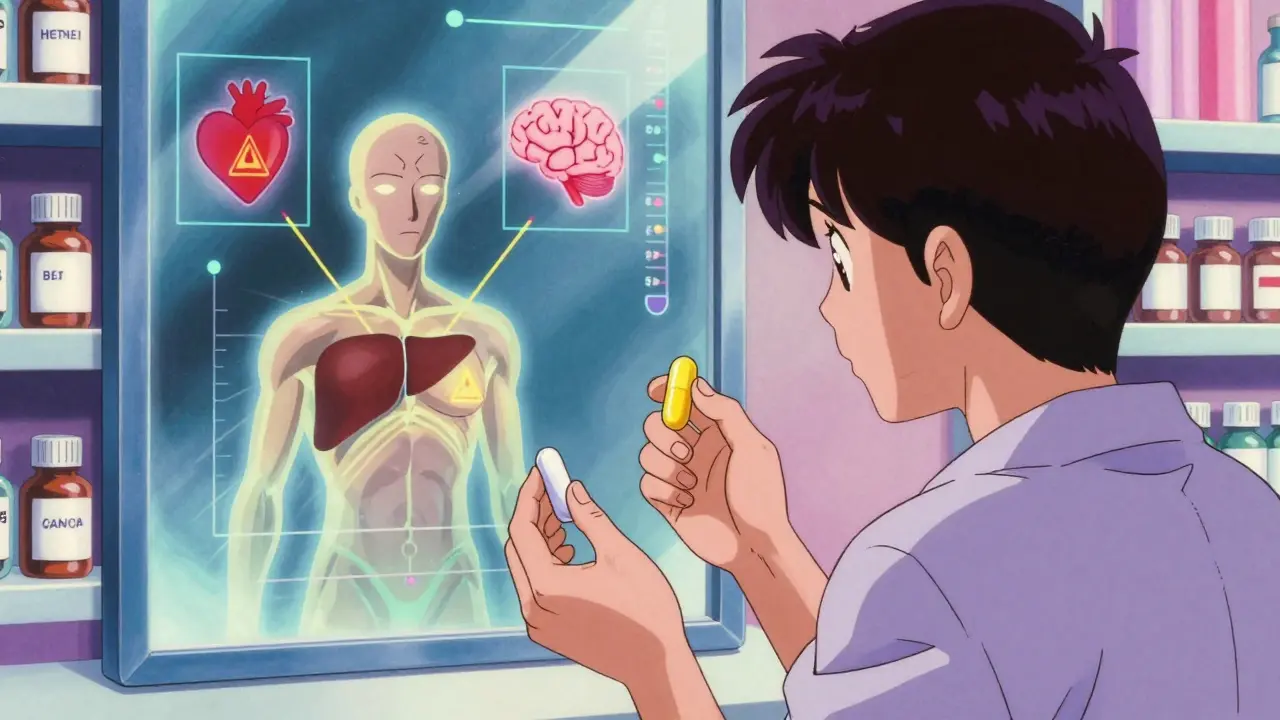
Generic drugs are just as safe as brand-name versions when it comes to interactions - but switching between them can cause unexpected side effects. Learn why, and what to do if you feel different after a switch.
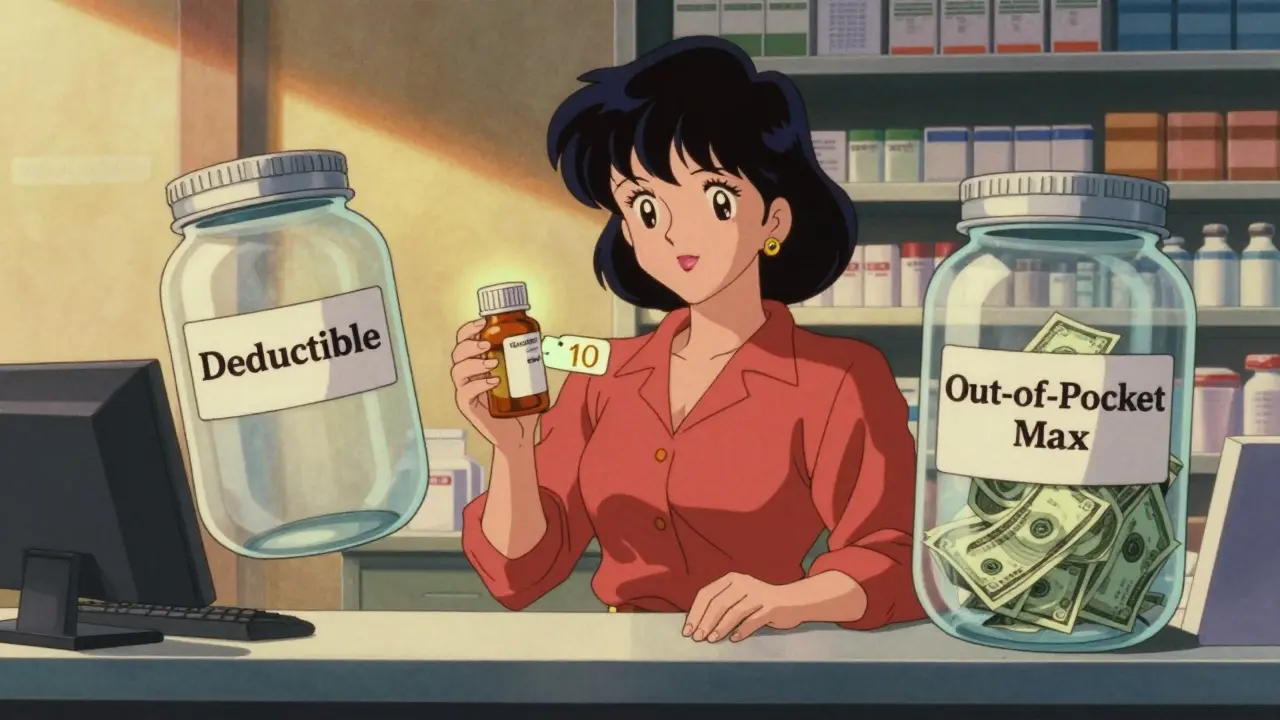
Generic prescription copays don't reduce your deductible, but they do count toward your out-of-pocket maximum - a key distinction that can save you thousands in healthcare costs. Learn how it works under current insurance rules.
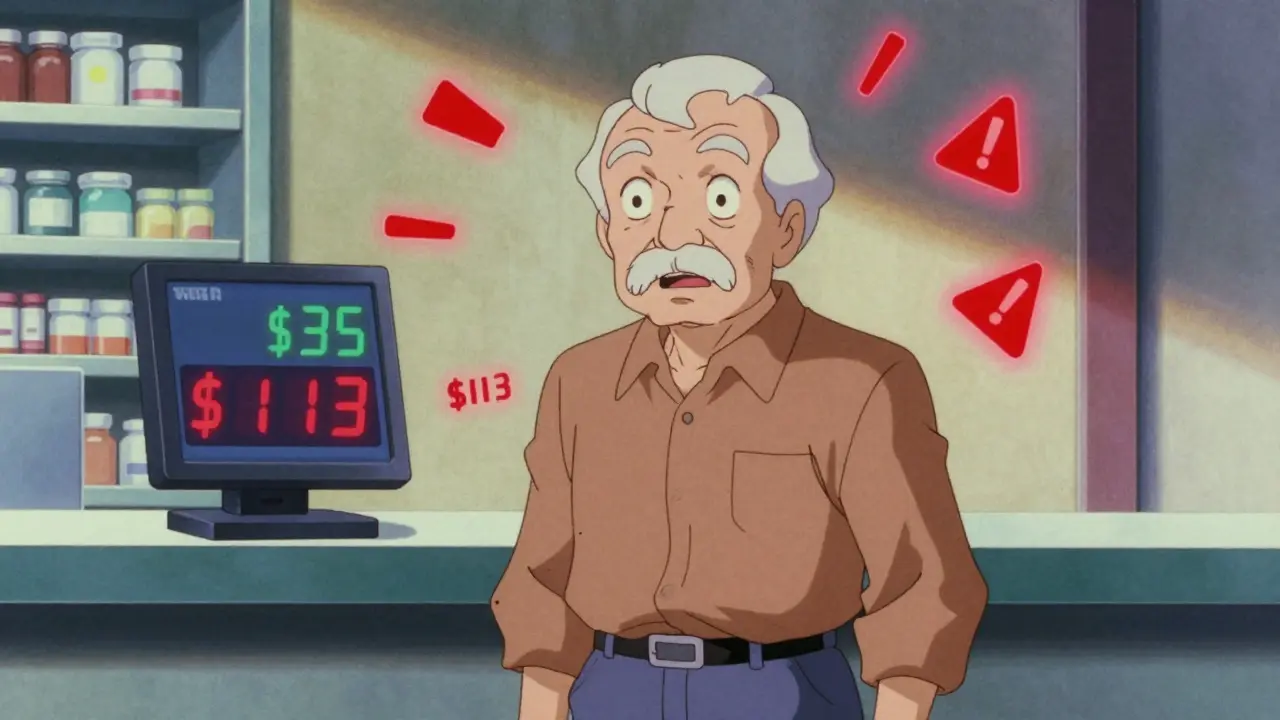
In 2025, Medicare Part D formularies are changing fast-generics and biosimilars are replacing brand-name drugs to cut costs. Know how to check your plan, handle switches, and fight denials before January 1.