

Traveling while on blood thinners is safe with proper planning. Learn how to prevent deep vein thrombosis (DVT) during flights, manage medications, recognize symptoms, and stay healthy on the go. Expert guidelines from CDC, ACCP, and IATA ensure your journey stays worry-free.

Phantom limb pain is a real neurological condition affecting 60-85% of amputees. Learn how mirror therapy and medications like gabapentin and amitriptyline work, what actually helps, and what new treatments are emerging in 2026.
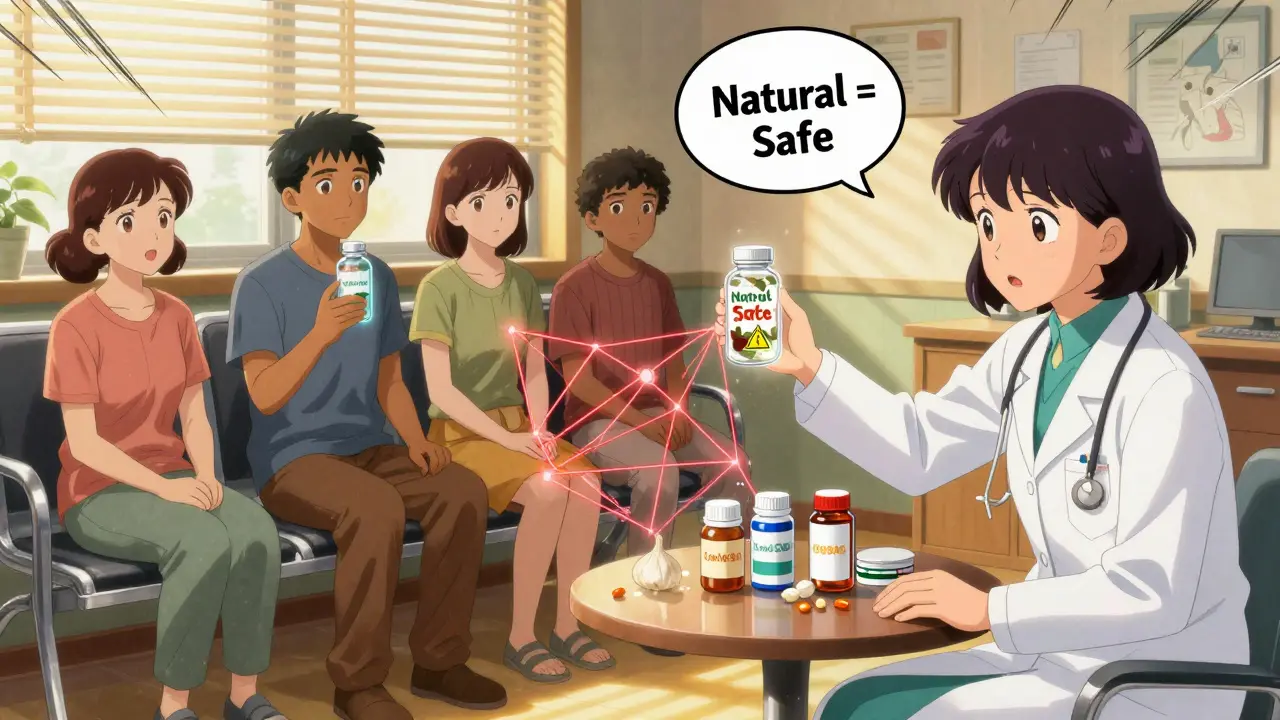
Many people take dietary supplements without telling their doctors-but this silence can lead to dangerous drug interactions. Learn why full disclosure is essential for your safety and how to talk to your care team effectively.

Peppermint oil is one of the most evidence-backed natural remedies for IBS. Learn how enteric-coated capsules work, the right dosage, what brands to trust, and who should avoid it-backed by clinical studies and real user data.

Cardio burns calories fast, strength training boosts metabolism long-term. For lasting weight loss, combine both. Learn how to balance them, avoid common mistakes, and see real results.

Learn how to fix sleep disrupted by medications using proven sleep hygiene techniques-without adding more drugs. Discover timing tricks, light strategies, and diet fixes backed by science.

Cataracts are a common age-related condition that clouds the eye's lens, leading to blurry vision and glare. Cataract surgery is safe, quick, and restores vision in most patients using a new intraocular lens. Recovery takes weeks, and outcomes depend on lens type and overall eye health.
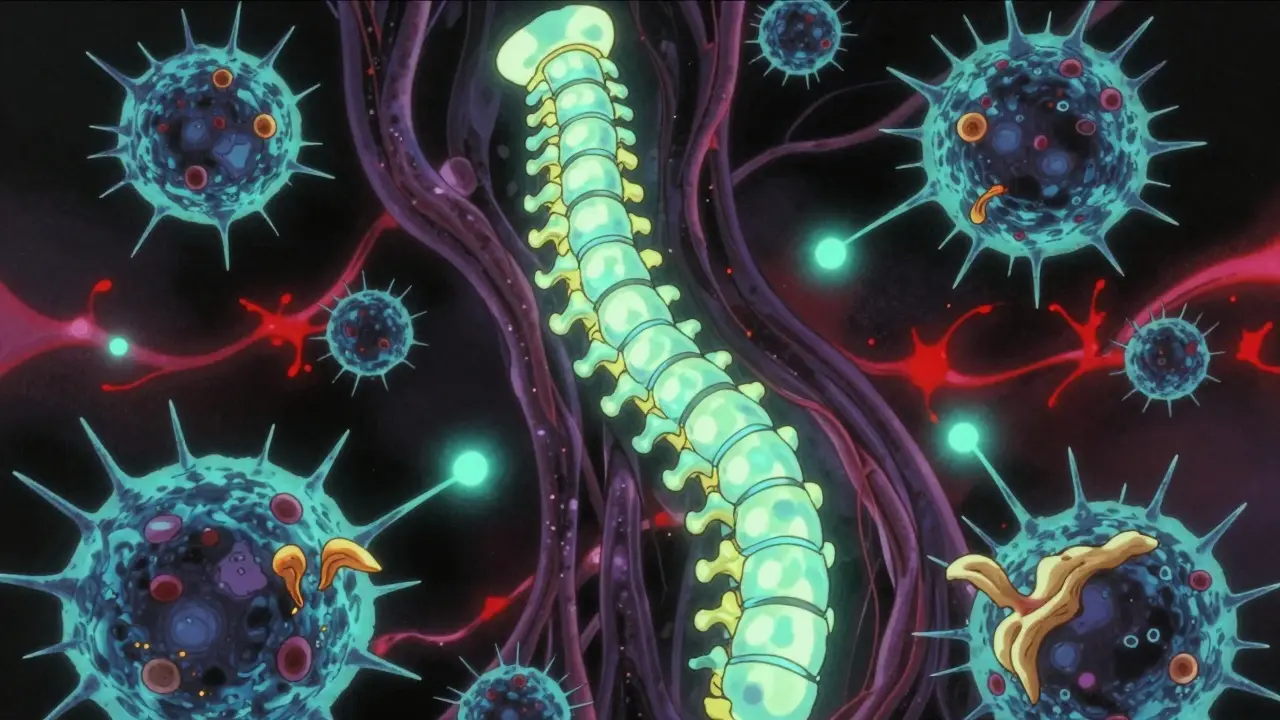
Multiple sclerosis is an autoimmune disease where the immune system attacks the myelin sheath around nerves, causing vision loss, fatigue, and mobility issues. Learn how it develops, what treatments exist, and what’s on the horizon for patients.

Learn how to time antimalarials and HIV medications across time zones to avoid treatment failure, drug resistance, and infection. Practical tips for travelers, dosing schedules, and what to do when you miss a pill.

Celiac disease requires lifelong gluten avoidance and targeted nutrient supplementation to heal the gut and prevent serious complications like anemia, osteoporosis, and autoimmune disorders. Learn how to eat safely and restore your health.

Learn proven psychological strategies to manage anxiety about medication side effects, including CBT, symptom tracking, and the nocebo effect. Reduce fear, improve adherence, and stay on track with your treatment.
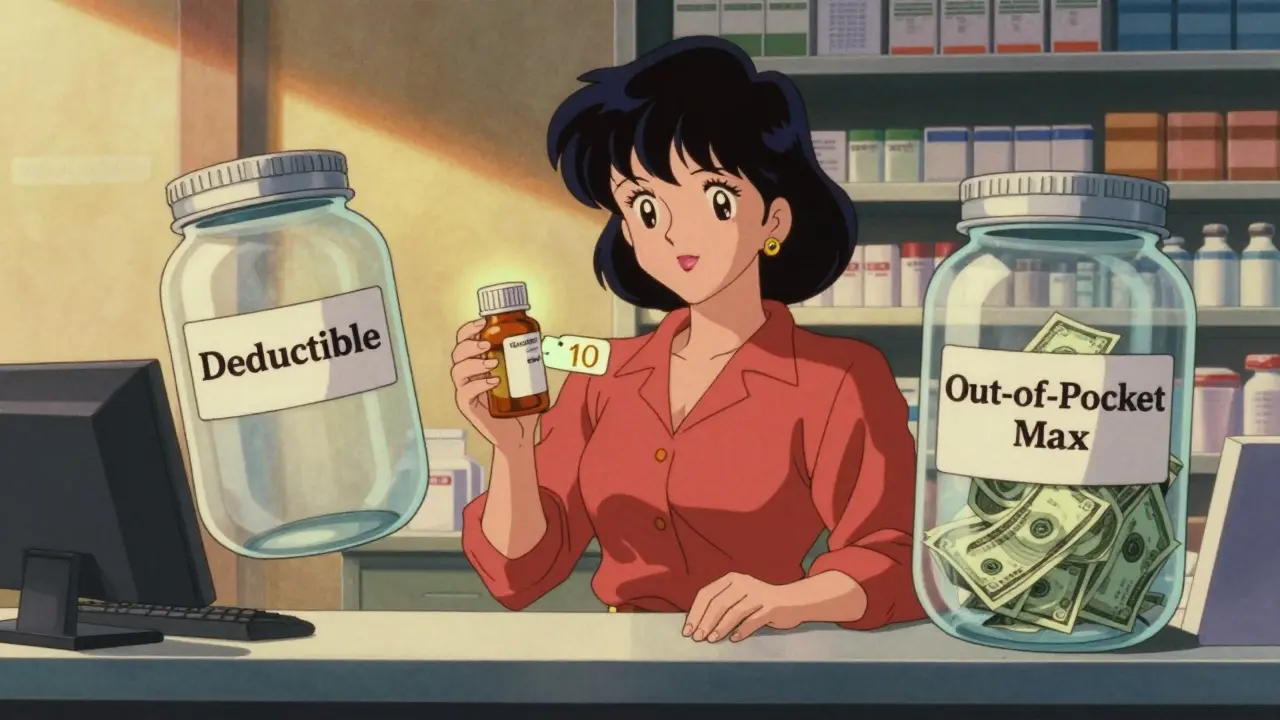
Generic prescription copays don't reduce your deductible, but they do count toward your out-of-pocket maximum - a key distinction that can save you thousands in healthcare costs. Learn how it works under current insurance rules.