
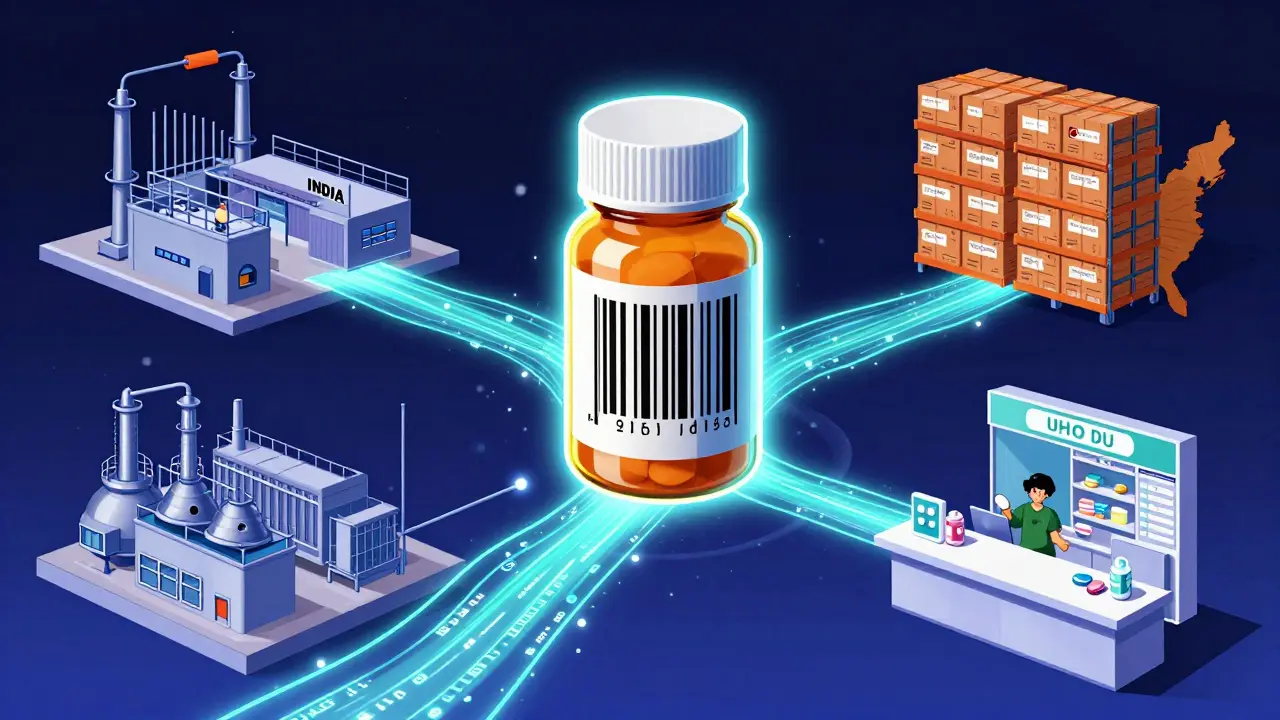
Learn how the U.S. pharmaceutical supply chain uses digital tracking, serialization, and strict regulations to protect legitimate drugs from counterfeiters. A deep look at DSCSA, real-world results, and what’s next.
Authorized generics let brand drugmakers stay competitive after patent expiry by selling identical medications under a different label. They lower prices, confuse patients, and spark debate over fair competition.
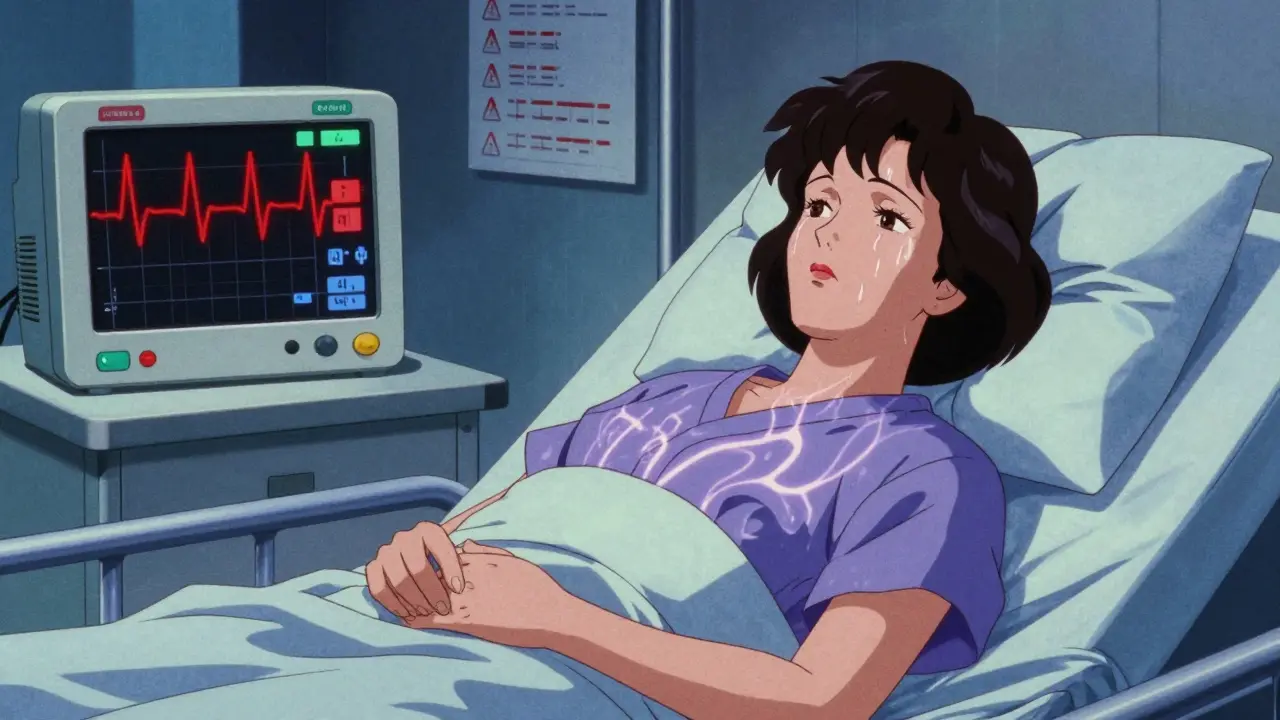
Hydroxyzine can cause dangerous heart rhythm problems like QT prolongation and Torsade de Pointes, especially in older adults or those on other medications. Learn who's at risk and what safer options exist.
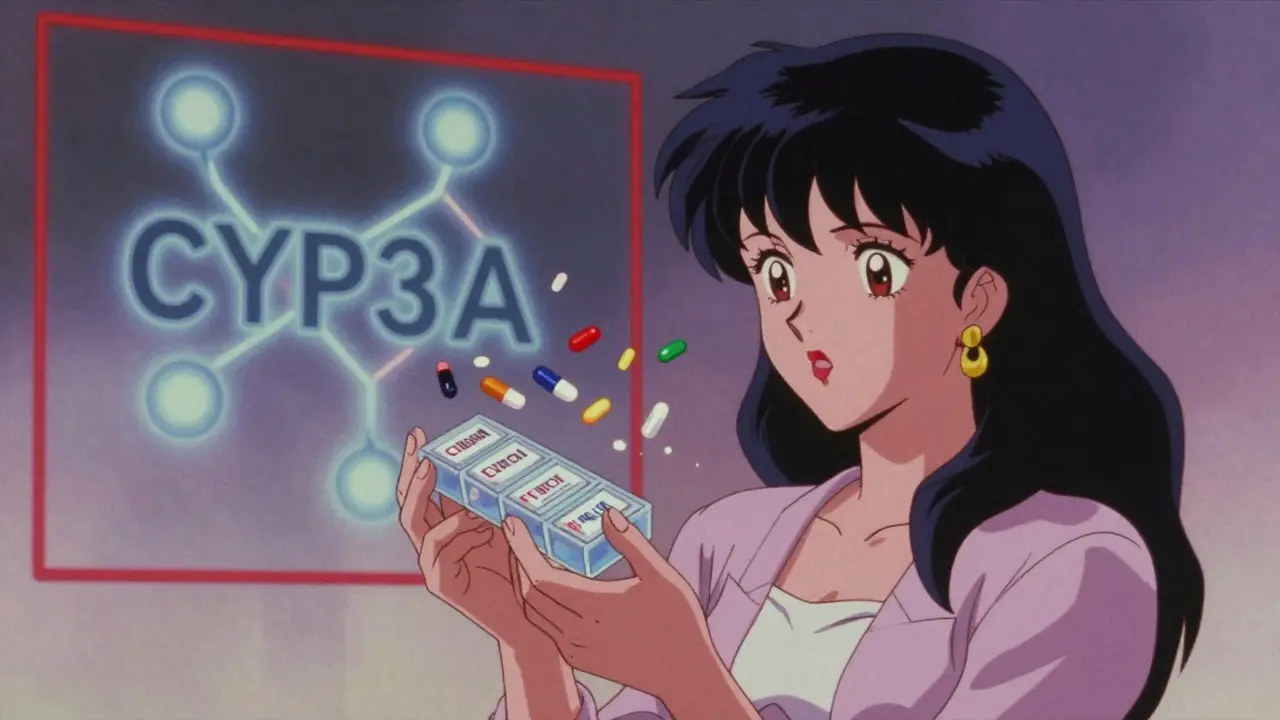
Gender-affirming hormone therapy is safe and effective, but interactions with HIV meds, antidepressants, and other drugs can alter hormone levels or cause side effects. Know which combinations need monitoring and how to stay safe.

ACE inhibitor angioedema is a dangerous, often misdiagnosed drug reaction causing sudden swelling without hives. Learn how to spot it, why standard treatments fail, and what to do if you're at risk.
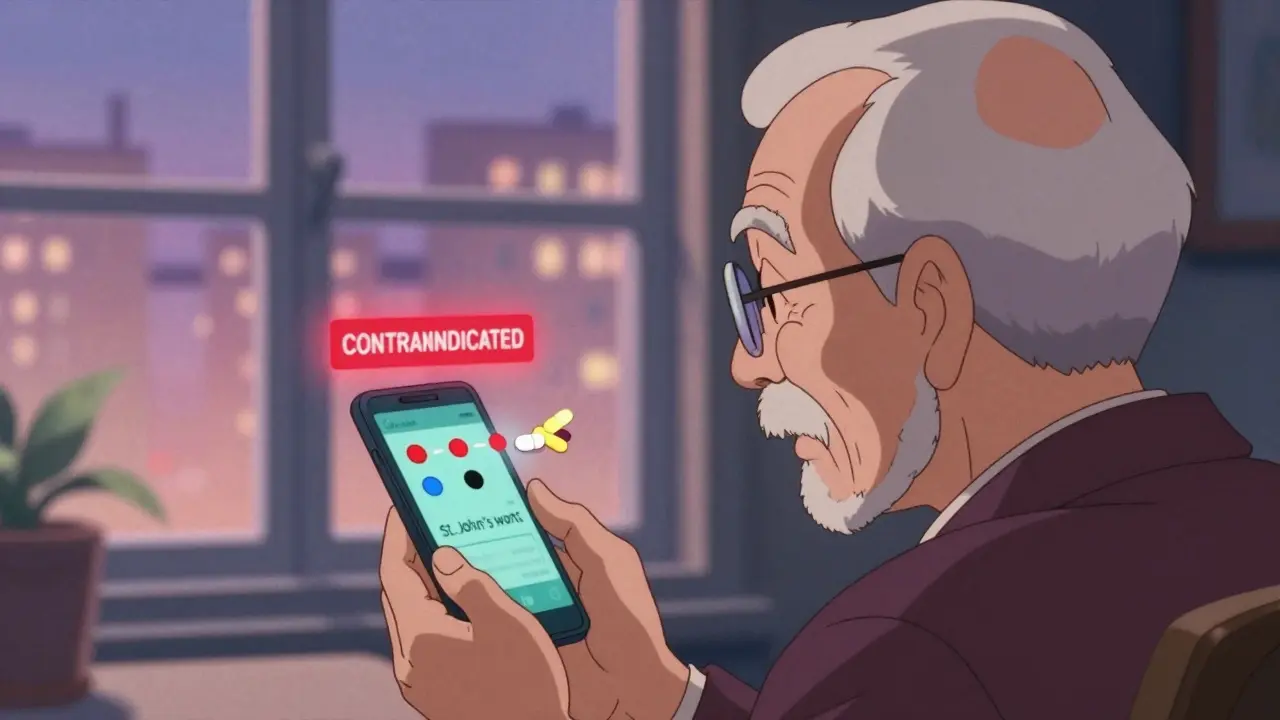
Learn how to use pharmacy apps to catch dangerous drug interactions before they happen. Discover the best apps, how they work, and how to use them safely - whether you're a patient, caregiver, or healthcare pro.
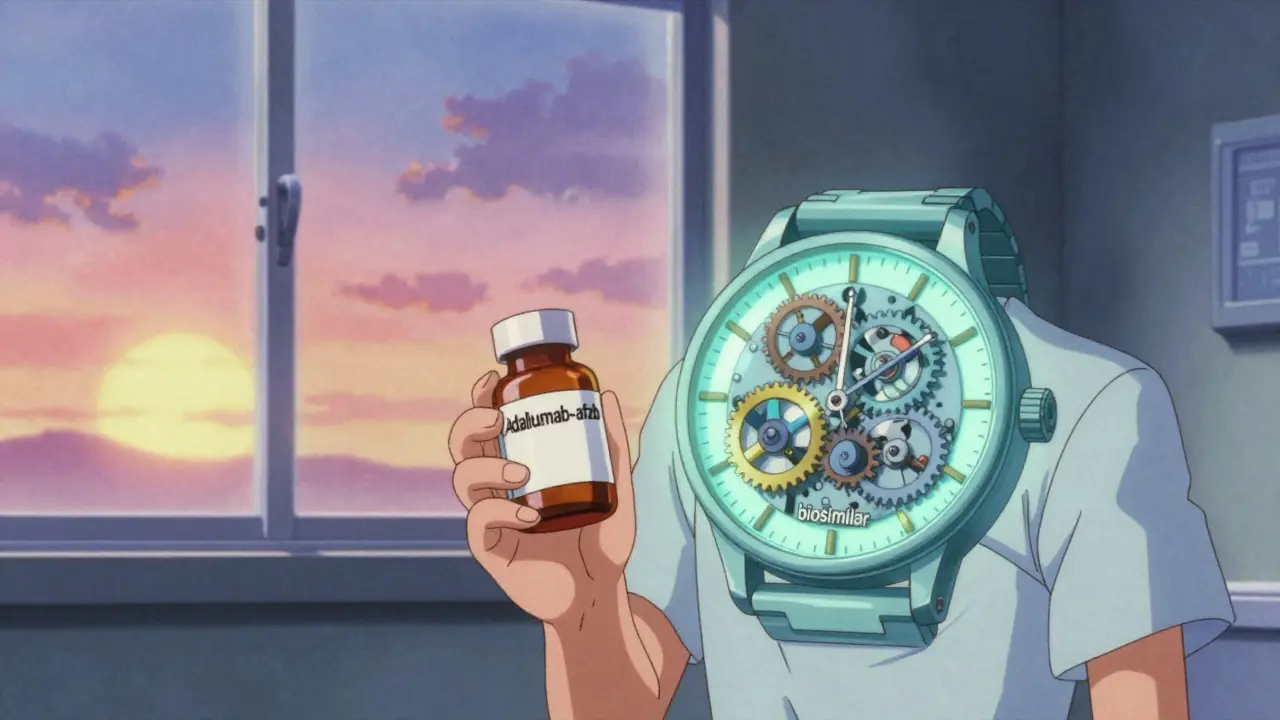
Biosimilars are highly similar versions of complex biologic drugs, approved by the FDA to be as safe and effective as the original. They offer major cost savings without compromising care for conditions like arthritis, cancer, and diabetes.

Corrective actions in manufacturing go beyond quick fixes - they find the root cause of quality problems and prevent them from returning. Learn how companies use CAPA systems, root cause analysis, and verification to cut defects, reduce costs, and stay compliant.
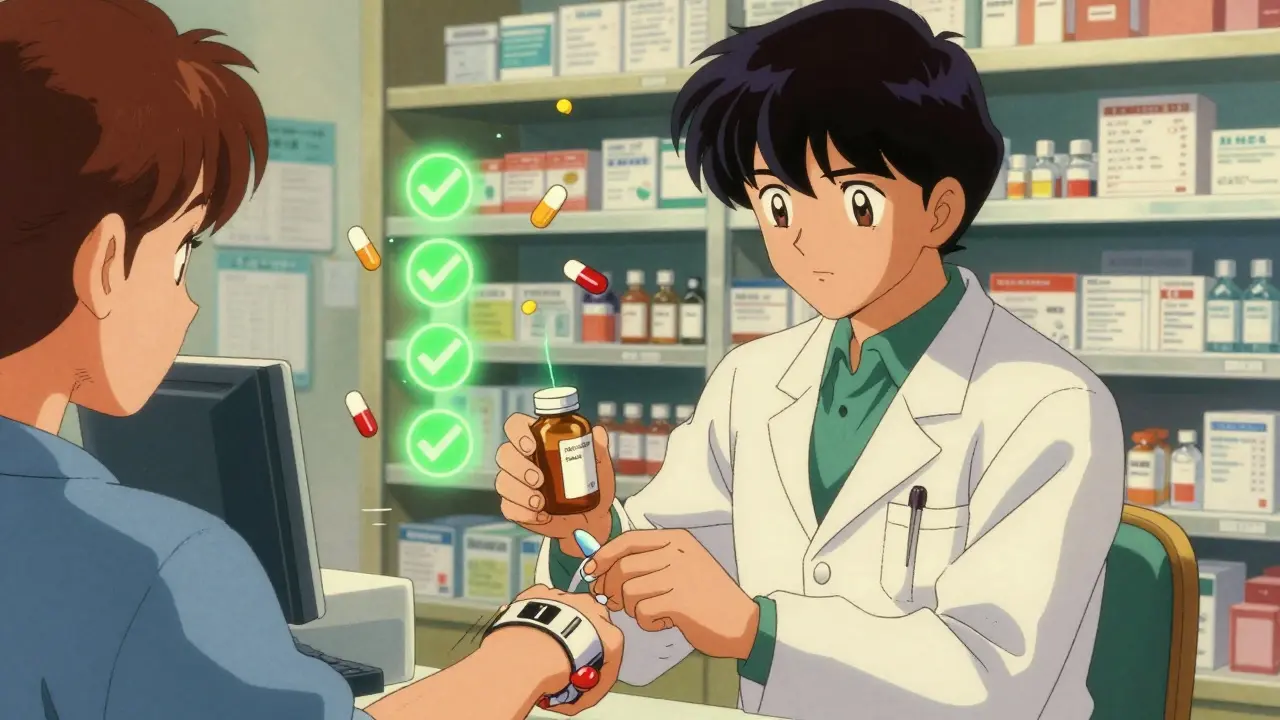
Barcode scanning in pharmacies prevents up to 93% of medication errors by verifying the right patient, drug, dose, route, and time. Learn how this technology works, where it falls short, and why it’s the gold standard for safety.
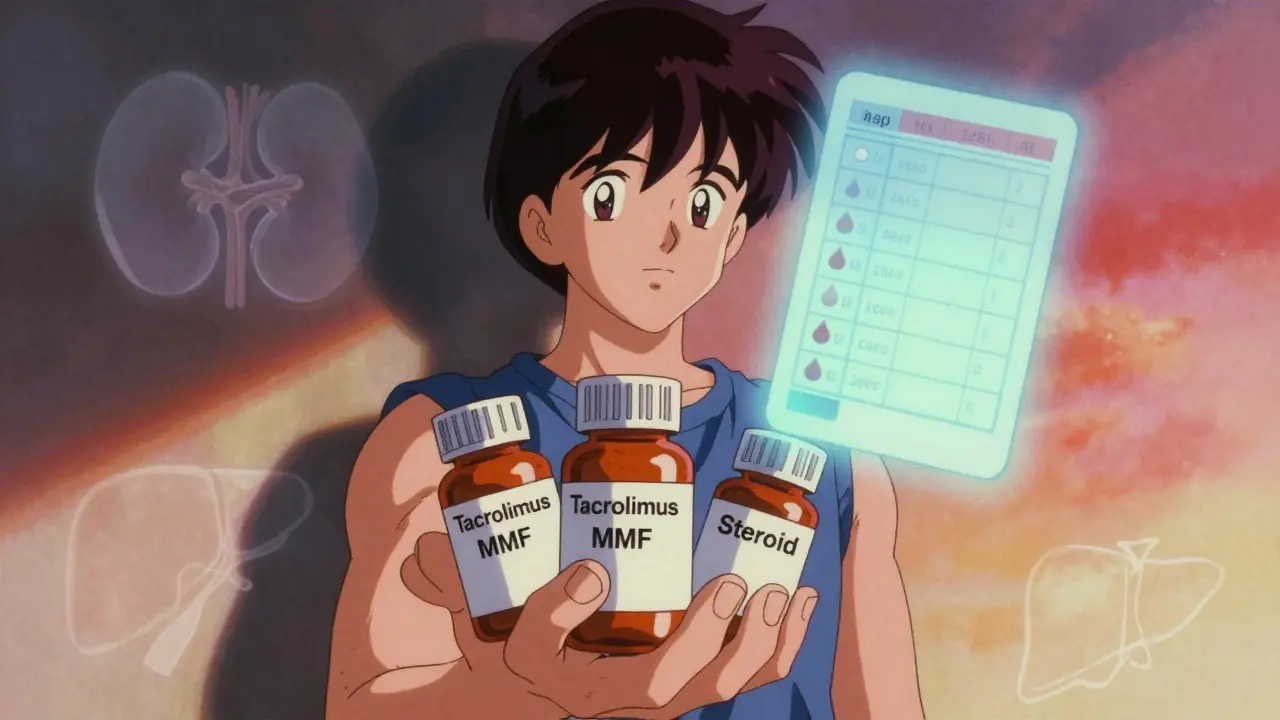
Generic immunosuppressive combinations offer life-saving cost savings for transplant patients, with proven effectiveness when managed properly. Learn which generics are available, how they compare to brands, and what monitoring is needed to avoid rejection.
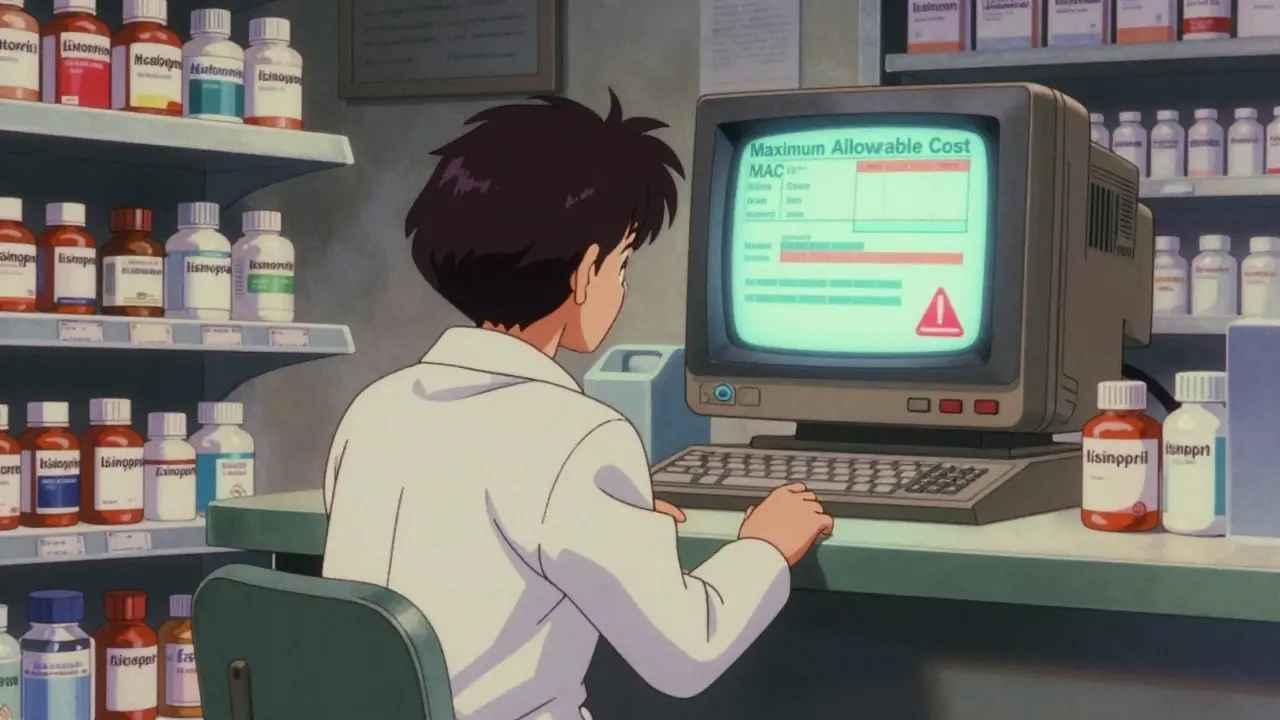
States use Medicaid generic drug policies like rebates, price caps, and mandatory substitution to control prescription costs. With 84% of prescriptions filled with generics, these strategies save billions - but face challenges from shortages and market consolidation.
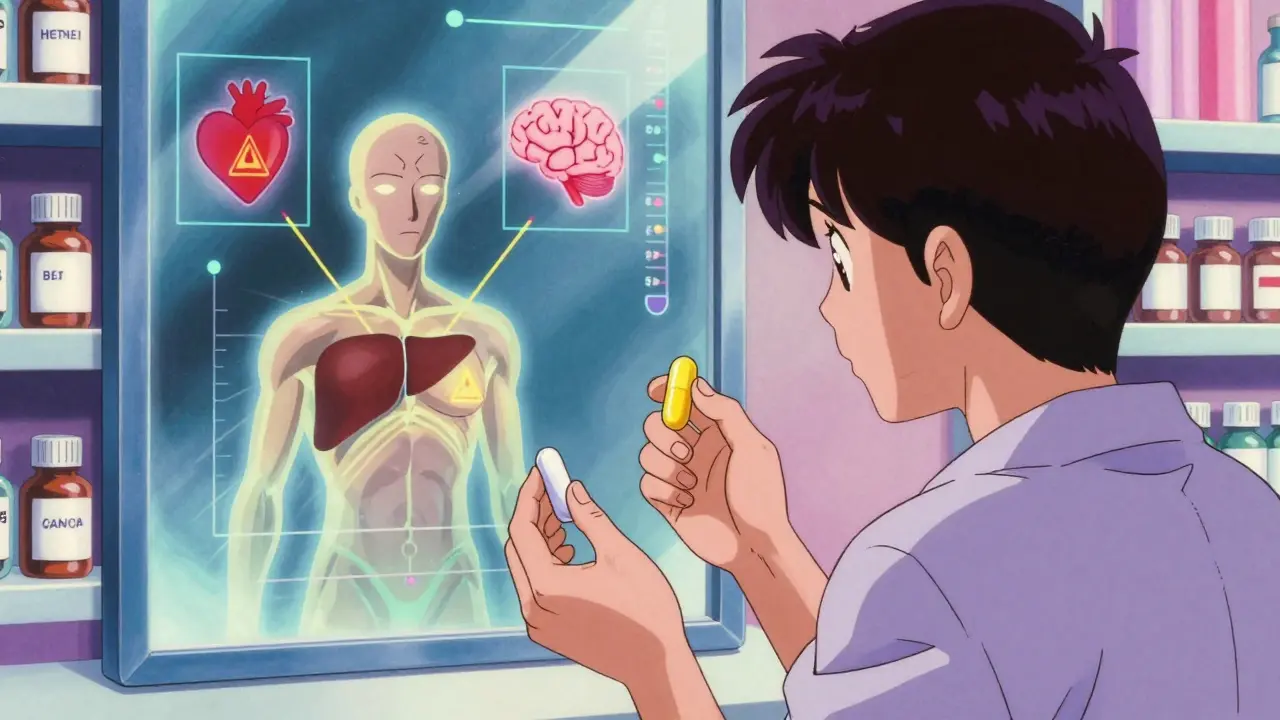
Generic drugs are just as safe as brand-name versions when it comes to interactions - but switching between them can cause unexpected side effects. Learn why, and what to do if you feel different after a switch.