
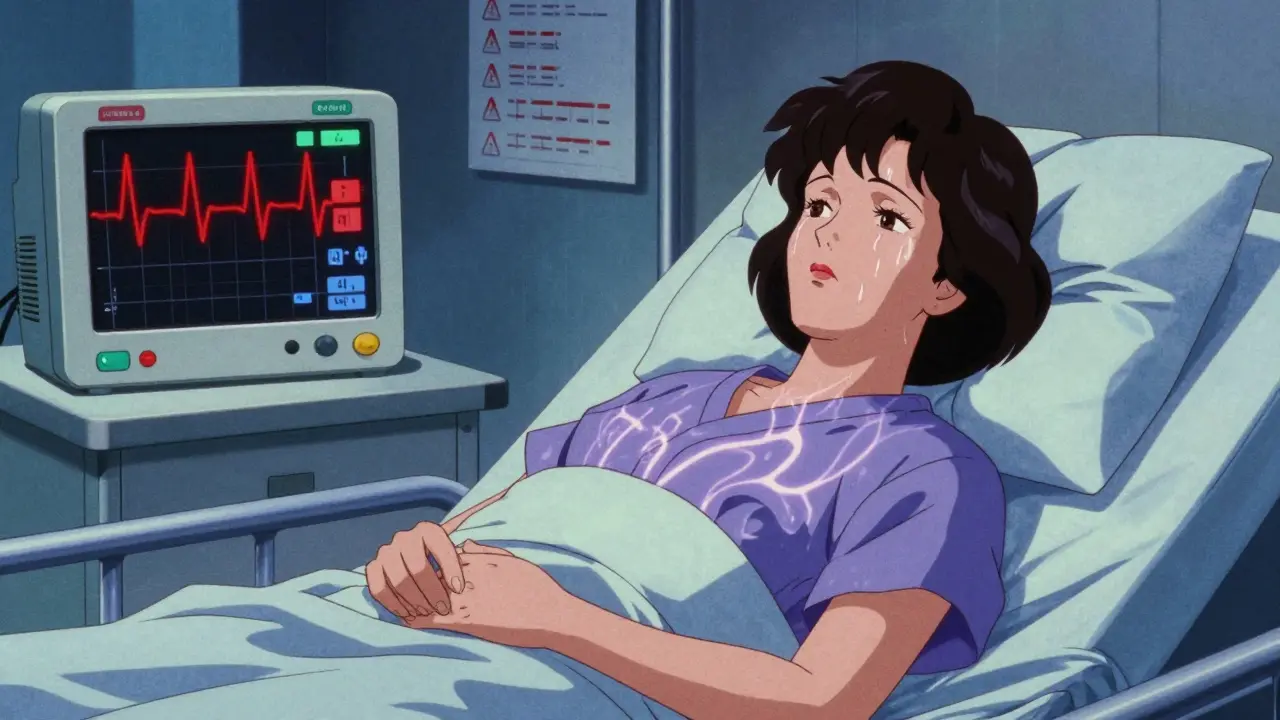
Hydroxyzine Cardiac Risk Calculator
Risk Factors Identified
Hydroxyzine has been around for decades - prescribed for anxiety, itching, nausea, and even as a sleep aid. It’s cheap, effective, and for years, doctors treated it like a safe, go-to sedative. But here’s the truth: hydroxyzine can mess with your heart’s electrical system in ways that aren’t obvious until it’s too late. The risk isn’t huge for everyone, but for some people, even a single dose can trigger a life-threatening rhythm called Torsade de Pointes. This isn’t theoretical. It’s documented. And it’s happening more often than most realize.
How Hydroxyzine Affects the Heart
Hydroxyzine works by blocking histamine receptors, which is why it calms allergies and reduces anxiety. But it doesn’t stop there. It also blocks something called the hERG potassium channel in heart cells. This channel is responsible for letting potassium out of the cell during the final phase of the heartbeat’s electrical cycle. When it’s blocked, the heart takes longer to reset between beats - and that delay shows up on an ECG as a prolonged QT interval.
That might sound technical, but here’s what it means in real life: a longer QT interval can cause the heart’s lower chambers to fire erratically. The result? Torsade de Pointes - a chaotic, fast rhythm that can turn into sudden cardiac arrest. It doesn’t always happen right away. Some people develop it within minutes of taking the drug. Others don’t see symptoms until days later. And once it starts, it can be deadly without immediate intervention.
The Evidence Isn’t New - But the Warnings Are
Back in the 1950s, when hydroxyzine was first approved, no one knew about hERG blockade. It wasn’t until the early 2000s that case reports started popping up: a 72-year-old woman with dizziness after a 50 mg dose. A 48-year-old man who collapsed after taking it for hives. Then came the data. Between 1955 and 2016, researchers found 59 confirmed cases linking hydroxyzine to QT prolongation or Torsade de Pointes. Before 2015, most doctors dismissed these as rare outliers.
In March 2015, the European Medicines Agency (EMA) did a full review. They didn’t just look at anecdotes - they analyzed every available study, pharmacological model, and clinical report. Their conclusion: hydroxyzine carries a small but real risk. And it’s dose-dependent. Higher doses = higher risk. Elderly patients? Even lower doses can be dangerous. The EMA responded by cutting the maximum daily dose from 200 mg to 100 mg for adults - and 50 mg for people over 65. That wasn’t a suggestion. It was a mandate.
Who’s at Real Risk?
If you’re young, healthy, with no heart problems, normal electrolytes, and no other meds, your risk is low. But that’s not most people. The real danger comes from combinations - things that stack the deck against you.
- Low potassium or magnesium: Common in people on diuretics, dialysis patients, or those with poor nutrition. Potassium under 4.0 mmol/L? Magnesium under 1.8 mg/dL? That’s a red flag.
- Other QT-prolonging drugs: Hydroxyzine shouldn’t be mixed with antibiotics like azithromycin, antidepressants like citalopram, or heart meds like amiodarone. These aren’t just ‘be careful’ warnings - they’re hard contraindications.
- Slow heart rate: Bradycardia (under 50 bpm) makes the heart more vulnerable to dangerous rhythms.
- Heart disease: Enlarged heart, past heart attack, or inherited conditions like long QT syndrome? Hydroxyzine is a no-go.
- Elderly patients: Their bodies clear drugs slower. Liver function declines. Kidneys don’t work as well. Even 50 mg can build up to toxic levels.
- Genetic factors: Some people are poor metabolizers of hydroxyzine due to CYP2D6 gene variants. That means the drug sticks around longer, increasing exposure. A 2023 study found these patients had over three times the risk of QT issues.
One 2022 case report described a 68-year-old woman with no prior heart issues. She took 50 mg of hydroxyzine for anxiety. Within hours, she went into Torsade de Pointes. Why? She was also on amiodarone. No one checked her meds. No one checked her ECG. She survived - but barely.
What Doctors Should Do - And Often Don’t
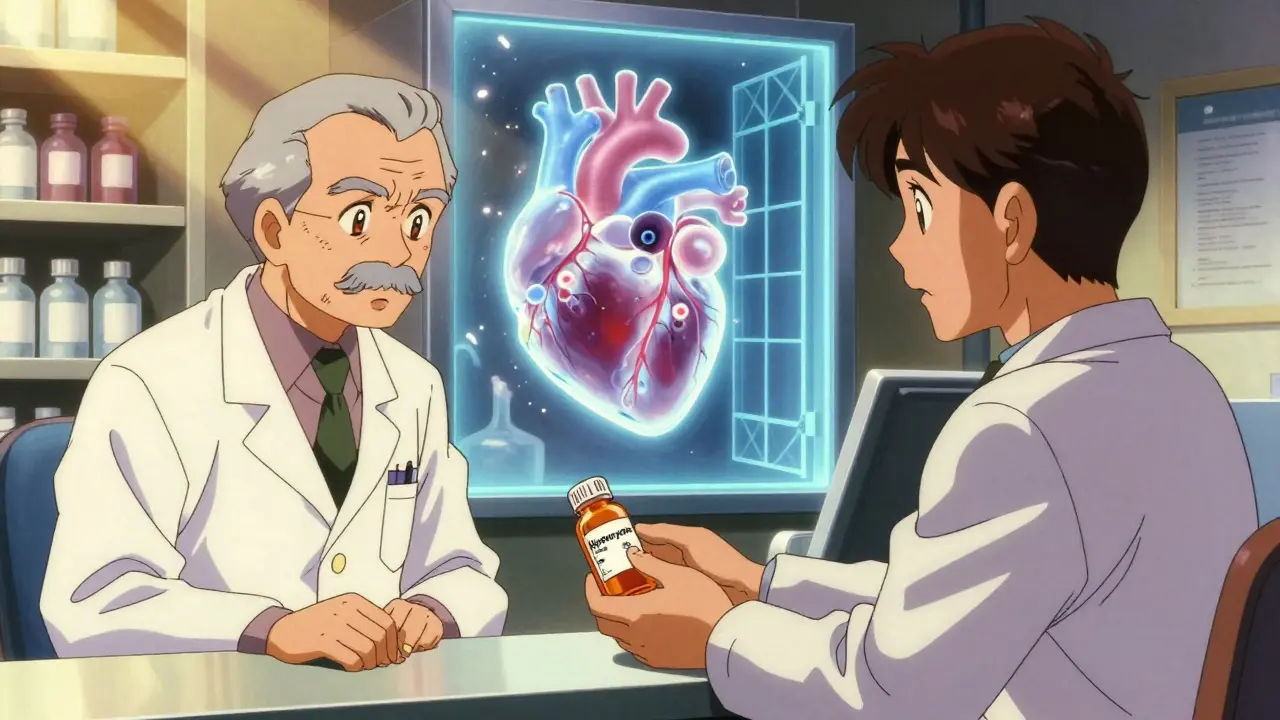
Here’s the gap: most prescribers still don’t check for cardiac risk before writing a hydroxyzine script. A 2021 survey of 127 hospital pharmacists found that 63% had seen hydroxyzine prescribed to patients with two or more known risk factors. That’s not negligence - it’s ignorance. Many still think antihistamines are harmless.
Proper prescribing now requires:
- Checking a recent ECG - QTc should be under 450 ms for men, under 470 ms for women.
- Reviewing all medications using CredibleMeds.org - hydroxyzine is listed as ‘Known Risk of TdP’.
- Measuring potassium and magnesium levels before starting.
- Never prescribing more than 50 mg daily for patients over 65.
- Avoiding hydroxyzine entirely if the patient has two or more risk factors.
Hospitals have started putting hard stops in their electronic systems. If you’re on amiodarone and your QTc is over 500 ms, the computer won’t let you order hydroxyzine. That’s progress. But in outpatient clinics? Still hit-or-miss.
How Hydroxyzine Compares to Other Antihistamines
Not all antihistamines are created equal. Second-generation ones like cetirizine, loratadine, and fexofenadine barely touch the hERG channel. They’re safe for the heart, even in older adults.
Among first-generation antihistamines - the sleepy ones - hydroxyzine sits near the top of the risk list. It’s slightly worse than diphenhydramine (Benadryl), which also carries a known QT risk. But both are far riskier than the non-sedating options.
Here’s a quick comparison:
| Drug | Generation | QT Prolongation Risk | hERG Inhibition | Safe for Elderly? |
|---|---|---|---|---|
| Hydroxyzine | First | Known Risk | High | No - max 50 mg/day |
| Diphenhydramine | First | Known Risk | Medium-High | Use with caution |
| Cetirizine | Second | Minimal | Low | Yes |
| Loratadine | Second | Minimal | Very Low | Yes |
| Fexofenadine | Second | None | Negligible | Yes |
For itching or allergies, switching to fexofenadine or loratadine eliminates cardiac risk entirely. For anxiety or insomnia? There are better, safer options - like low-dose mirtazapine or gabapentin - especially for older adults.
What’s Changing Now?
The tide is turning. In 2019, the FDA added hydroxyzine to its official list of drugs with QT prolongation risk. That means prescribing info now includes clear warnings. The American Geriatrics Society Beers Criteria lists hydroxyzine as a ‘Potentially Inappropriate Medication’ for seniors - a big deal in geriatric care.
Prescriptions are falling. In the U.S., hydroxyzine use dropped from 18.3 million prescriptions in 2014 to 12.7 million in 2022. That’s a 30% decline - mostly because doctors are finally paying attention.
Research is moving forward too. A 2024 clinical trial is testing whether routine ECG monitoring reduces cardiac events in high-risk patients. And in the lab, scientists are designing new versions of hydroxyzine that keep the antihistamine effect but don’t block hERG. One candidate, VH-01, shows 87% less hERG inhibition in early tests.
The European Society of Cardiology is expected to update its 2025 guidelines to restrict hydroxyzine to single doses only - like for pre-surgery anxiety. Chronic use? Gone.
What Should You Do?
If you’re taking hydroxyzine:
- Ask your doctor: ‘Has my QT interval been checked?’
- Ask: ‘Am I on any other meds that could interact?’
- Ask: ‘Is there a safer alternative for my condition?’
- If you feel dizzy, lightheaded, or notice your heart racing or skipping beats - stop the drug and get help immediately.
If you’re a caregiver for an older adult: don’t assume ‘it’s just a sleep aid.’ Hydroxyzine is one of the most common drugs prescribed for insomnia in nursing homes - and one of the most dangerous. Push for alternatives. Ask for an ECG.
Hydroxyzine isn’t evil. It’s useful. But it’s not a benign drug. It needs the same caution as blood thinners or heart rhythm meds. The days of treating it like a harmless pill are over.
Can hydroxyzine cause sudden cardiac arrest?
Yes, in rare cases. Hydroxyzine can trigger Torsade de Pointes, a dangerous heart rhythm that can degenerate into ventricular fibrillation and sudden cardiac arrest. This usually happens in people with existing risk factors like low potassium, other QT-prolonging drugs, or a history of heart disease. It’s not common, but it’s been documented in healthy-looking people after just one dose.
Is hydroxyzine safe for elderly patients?
Only if absolutely necessary and under strict limits. The maximum daily dose for adults over 65 is 50 mg - half the adult limit. Even then, it’s risky because older adults metabolize drugs slower, have lower electrolyte levels, and often take other heart-affecting medications. The American Geriatrics Society recommends avoiding hydroxyzine entirely in seniors due to its cardiac and cognitive risks.
What are safer alternatives to hydroxyzine for anxiety or itching?
For itching, second-generation antihistamines like fexofenadine or loratadine are safer and just as effective. For anxiety or insomnia, options include low-dose mirtazapine, gabapentin, or cognitive behavioral therapy. For short-term procedural anxiety, a single dose of a benzodiazepine like lorazepam (with cardiac monitoring) may be preferable - but only if no contraindications exist.
Do I need an ECG before taking hydroxyzine?
If you’re over 60, have heart disease, take other medications, or have electrolyte imbalances - yes. Even if you feel fine, a simple 12-lead ECG can catch a prolonged QT interval before it becomes dangerous. Many clinics now require it before prescribing hydroxyzine. If your doctor won’t order one, ask why.
Can I take hydroxyzine if I have a family history of long QT syndrome?
No. If you or a close relative has inherited long QT syndrome, hydroxyzine is absolutely contraindicated. Even low doses can trigger life-threatening arrhythmias in genetically susceptible individuals. Genetic testing may be recommended if there’s a family history, and you should avoid all drugs on the CredibleMeds ‘Known Risk’ list.
How long does hydroxyzine stay in the body?
Hydroxyzine has a half-life of 14 to 25 hours, meaning it can build up in your system, especially if you take it daily or have liver or kidney problems. That’s why even a 50 mg dose can become dangerous over time. Avoid repeated use unless under close supervision.
kabir das
January 30, 2026 AT 02:59Keith Oliver
January 31, 2026 AT 05:34Kacey Yates
February 2, 2026 AT 02:42Frank Declemij
February 3, 2026 AT 21:51Pawan Kumar
February 5, 2026 AT 18:46DHARMAN CHELLANI
February 7, 2026 AT 07:27ryan Sifontes
February 7, 2026 AT 20:57Robin Keith
February 9, 2026 AT 07:44