
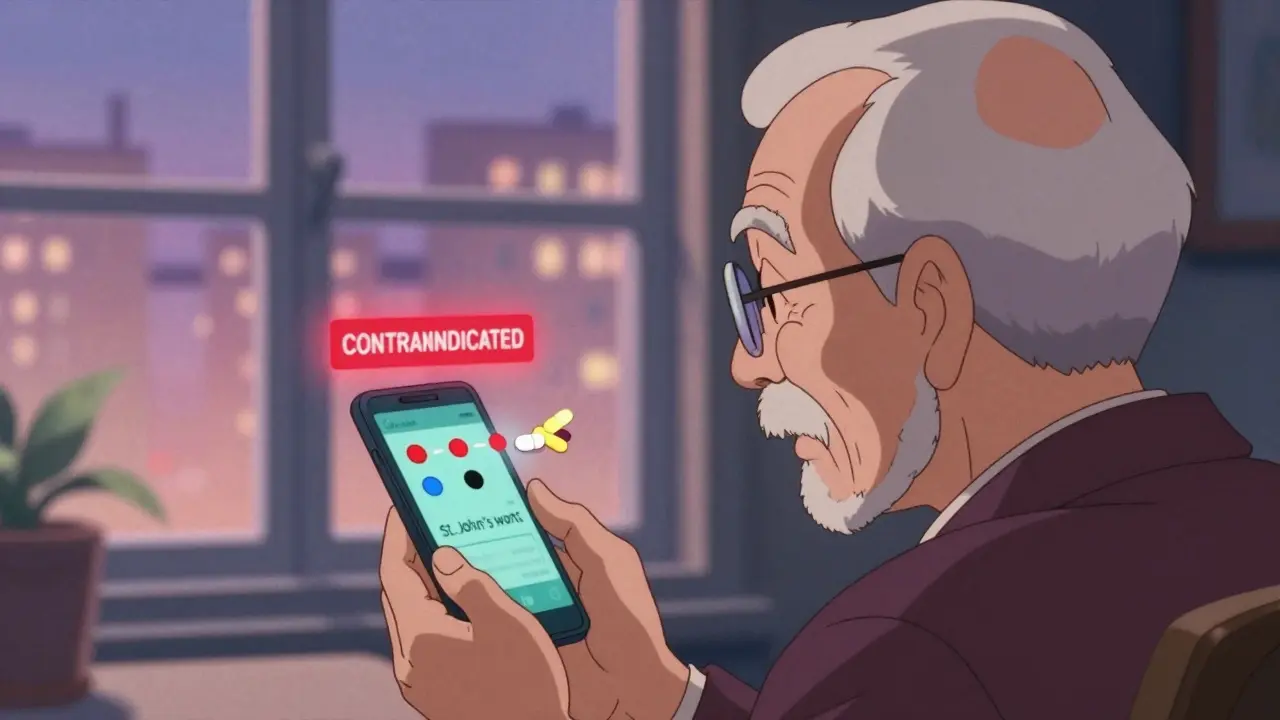
Every year, over 1.3 million people in the U.S. get hurt because of medication errors. Many of these mistakes happen when drugs clash in ways no one expected - like when a common painkiller mixes with a blood pressure pill and causes dangerous drops in blood pressure. The good news? You don’t have to guess. Pharmacy apps now make it easy to catch these clashes before they cause harm.
Why Drug Interactions Matter More Than Ever
More than half of Americans over 65 take five or more medications daily. That’s not just prescriptions - it’s supplements, over-the-counter pain relievers, herbal teas, and even antacids. Each one can interact with another. Some interactions are harmless. Others? They can land you in the hospital. Take warfarin, a blood thinner. Mix it with St. John’s Wort, a popular herbal supplement for mood, and its effectiveness drops by nearly 50%. That’s not a small risk - it could lead to a stroke. Or consider mixing certain antibiotics with antacids. The calcium in the antacid can block the antibiotic from being absorbed, making it useless. These aren’t rare cases. A 2023 study in JAMA Internal Medicine found that major pharmacy apps disagreed on the severity of drug interactions in nearly 3 out of 10 cases. That’s why using a reliable app isn’t optional - it’s essential.How Pharmacy Apps Detect Drug Interactions
These apps don’t just list drug names. They connect thousands of data points: active ingredients, dosages, patient age, kidney or liver function, and even food interactions. When you add a new medication, the app checks it against every other drug, supplement, or even food you’ve entered. Most apps use color-coded alerts:- Contraindicated - Never mix. High risk of death or serious injury.
- Major - Avoid if possible. Requires close monitoring or dose changes.
- Moderate - Possible side effects. Monitor for symptoms.
- Minor - Usually harmless, but still worth noting.
Top Pharmacy Apps for Checking Drug Interactions
Not all apps are built the same. Here’s what the pros use - and what you should know before picking one.| App | Max Meds Checked | Offline Access | Free Version? | Special Features | Cost (Professional) |
|---|---|---|---|---|---|
| Epocrates | 30 | Yes | Yes (limited) | Pill scanner, 92% accuracy, live pharmacist support | $49.99/month |
| Lexicomp | 50+ | Yes | No | IV compatibility, pharmacogenomics, customizable databases | $199/year |
| UpToDate | 50+ | Yes | No | Overdose protocols, toxidrome guides, voice input | $499/year |
| Drugs.com | Unlimited | Yes | Yes | Free FDA alerts, A-Z drug database, patient handouts | Free (ads) |
| Medscape | 30 | Yes | Yes | Disease reference integration, quick lookup | $49/month (full features) |
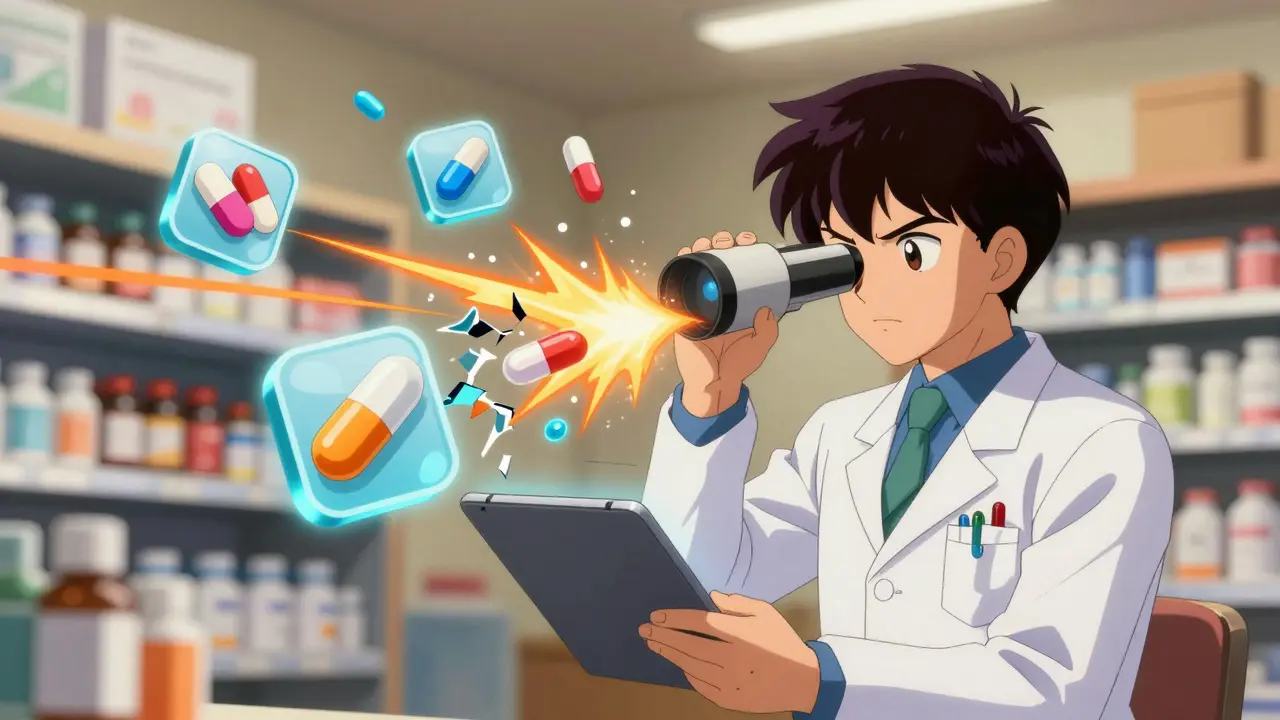
Epocrates is the most popular among doctors and pharmacists - used by 45% of U.S. physicians. It’s fast, accurate, and has a camera tool that identifies pills by shape, color, and imprint. In one emergency room case, a nurse used it to ID an unknown pill during a code blue - in under 8 seconds.
Drugs.com is the best free option. It’s reliable for basic checks and includes FDA safety alerts. But if you’re managing complex meds - say, a senior on 10 drugs - you’ll miss critical details. A 2023 National Library of Medicine study found free apps miss 30-40% of serious interactions compared to professional tools.
How to Use These Apps Like a Pro
Using these apps isn’t just about tapping a button. Here’s the step-by-step process that saves lives:- Add every medication - prescriptions, OTC painkillers, vitamins, herbal teas, and even topical creams. Don’t skip anything. Even a daily multivitamin can interact.
- Use the camera or barcode scanner - Epocrates and Pill Identifier & Med Scanner let you snap a photo of a pill. The app matches it to its database. This is huge for seniors or caregivers who don’t know what’s in the bottle.
- Review the interaction report - Look for red flags: contraindicated or major risks. Don’t ignore moderate ones if the patient is elderly or has kidney issues.
- Double-check with a second app - If you’re unsure, run the same combo in Drugs.com or Lexicomp. Disagreements happen. Cross-referencing cuts your risk of missing something.
- Document the check - Note the date, the app used, and what you found. This protects you legally and helps other providers later.
Pro tip: Use voice input if your app supports it. UpToDate’s 2025 update lets you say, “Check interaction between metformin, lisinopril, and omeprazole,” and it does the rest. Saves time and reduces typos.
What to Watch Out For
Even the best apps have blind spots.- Free apps are risky - They often skip rare but dangerous interactions. A 2023 study showed consumer apps missed 38% of interactions involving supplements like magnesium or CoQ10.
- Ads can be dangerous - Drugs.com is free and accurate, but pop-up ads can distract you during a critical check. Never use it while multitasking.
- Updates matter - New drugs hit the market every week. The FDA’s Drugs@FDA Express app tracks new approvals. If your app hasn’t updated in months, it’s outdated.
- Don’t rely on patient apps alone - Medisafe and MyTherapy are great for reminders and caregivers, but their interaction alerts are simplified. They’re designed for safety, not depth.
Dr. Robert Johnson, author of Digital Tools in Pharmacy Practice, says: “For high-risk patients, always use two apps. Epocrates for speed, Micromedex for depth.”
Who Should Use These Apps?
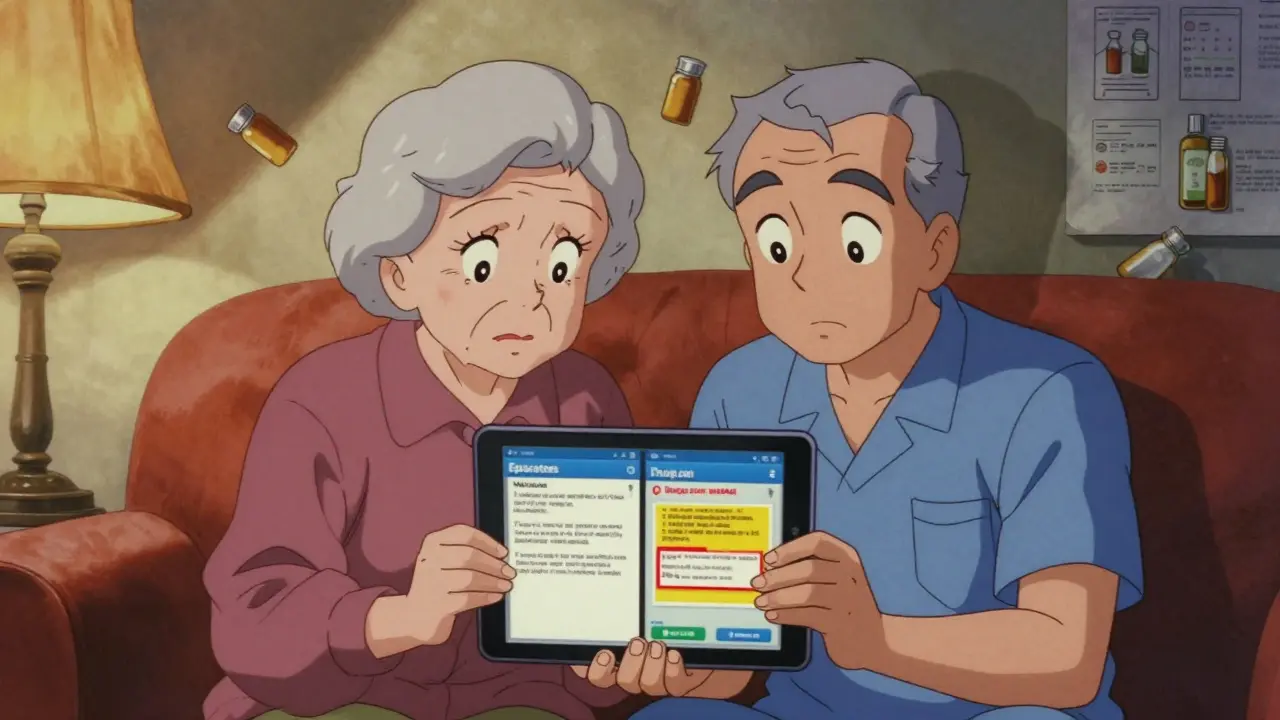
You don’t need to be a doctor to benefit.- Patients on 5+ meds - Especially seniors. Polypharmacy is the #1 cause of ER visits for drug reactions.
- Family caregivers - If you’re managing a parent’s meds, this is your safety net.
- Pharmacists and nurses - These tools cut down errors and save time. One hospital pharmacist said Epocrates saved her 15 minutes per shift.
- Primary care providers - In a 10-minute visit, you don’t have time to flip through manuals. Apps give you instant answers.
The market is growing fast. In 2023, the global medication management app market hit $3.2 billion. By 2028, it’s expected to hit $8.7 billion. Why? Because CMS now requires interaction checks for all Medicare Part D prescriptions. Insurance companies are pushing for it. Hospitals are adopting it. And patients? They’re asking for it.
Final Advice: Don’t Guess. Check.
Drug interactions don’t care if you’re busy, tired, or in a hurry. They happen in the background - quietly, dangerously. An app won’t replace your judgment. But it will give you the facts you need to make the right call. Start with Drugs.com if you’re on a budget. If you’re managing complex cases - or work in healthcare - invest in Epocrates or Lexicomp. Use two apps when it matters. And never, ever skip checking just because you’ve prescribed the same combo before. Medications change. Your body changes. The risks change. Your app should too.Can I trust free pharmacy apps for drug interaction checks?
Free apps like Drugs.com are useful for basic checks and FDA alerts, but they miss up to 40% of serious interactions - especially those involving supplements, herbal products, or rare drug combinations. For high-risk patients or complex medication regimens, always verify with a professional-grade app like Epocrates or Lexicomp.
Do pharmacy apps work offline?
Yes, most professional apps - including Epocrates, Lexicomp, and UpToDate - download their full databases to your device, so you can check interactions without Wi-Fi or cellular data. This is critical in emergencies, hospitals, or rural areas with poor connectivity.
How accurate are pill scanner features?
Pill scanners like Epocrates’ camera tool are 92% accurate based on internal testing. They match pills by color, shape, and imprint code. But they can’t identify pills without markings, liquid medications, or compounded drugs. Always cross-check with the prescription label when possible.
Should I use an app if I’m only taking 2 or 3 medications?
Yes. Even two medications can interact. For example, common painkillers like ibuprofen can reduce the effectiveness of blood pressure drugs. If you’re on any prescription, especially for chronic conditions like diabetes, heart disease, or depression, a quick check takes 30 seconds and could prevent a serious reaction.
Are these apps only for doctors and pharmacists?
No. Many apps are designed for patients and caregivers. Medisafe, MyTherapy, and even Drugs.com have simple interfaces for non-professionals. They’re especially helpful for adult children managing a parent’s meds or for seniors who want to avoid dangerous combinations.
How often should I update my medication list in the app?
Update your list every time you start, stop, or change the dose of any medication - including over-the-counter drugs and supplements. Even a new bottle of aspirin or a different brand of vitamin D can trigger an interaction. Make it a habit: check your app every time you refill a prescription.
Can pharmacy apps replace a pharmacist’s advice?
No. Apps are tools, not replacements. A pharmacist can assess your full medical history, kidney/liver function, allergies, and lifestyle factors that apps can’t. Always consult your pharmacist if an app flags a major interaction - they can help you find a safer alternative.
Chloe Hadland
January 23, 2026 AT 13:01Even if you think you know what you're taking, your body changes. So should your checks.
Jamie Hooper
January 24, 2026 AT 18:11Husain Atther
January 25, 2026 AT 00:20Helen Leite
January 26, 2026 AT 14:32EVERY TIME YOU ENTER A MEDICATION... THEY SAVE IT. FOR THE GOVT. FOR BIG PHARMA. FOR THE ALGORITHMS. THEY KNOW WHEN YOU TAKE YOUR ANTIDEPRESSANTS. THEY KNOW WHEN YOU SKIP A DOSE. THEY'RE BUILDING A PROFILE. DON'T TRUST THE APPS. THEY'RE NOT YOUR FRIENDS. 🚨💊👁️
Izzy Hadala
January 27, 2026 AT 03:23Marlon Mentolaroc
January 28, 2026 AT 02:35Gina Beard
January 28, 2026 AT 03:30Phil Maxwell
January 30, 2026 AT 02:13Shelby Marcel
January 31, 2026 AT 13:26blackbelt security
January 31, 2026 AT 19:38Patrick Gornik
February 1, 2026 AT 22:58Tommy Sandri
February 2, 2026 AT 07:07Juan Reibelo
February 3, 2026 AT 07:35