

In renal failure, opioids can turn toxic. Learn which ones are safest, how to dose them properly, and which to avoid entirely. Fentanyl and buprenorphine lead as first-line choices for kidney patients with chronic pain.
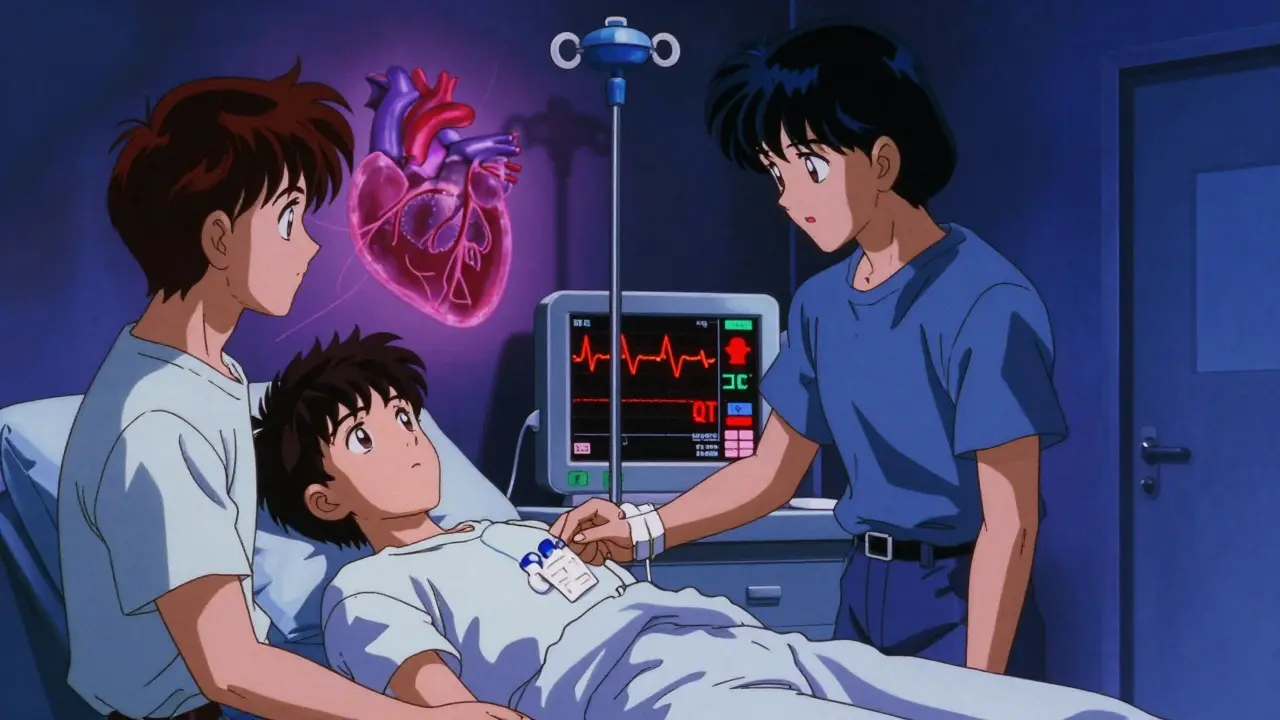
Ondansetron and other antiemetics can prolong the QT interval, increasing risk of dangerous heart rhythms. Learn who's at risk, how hospitals manage it, and safer alternatives now in use.
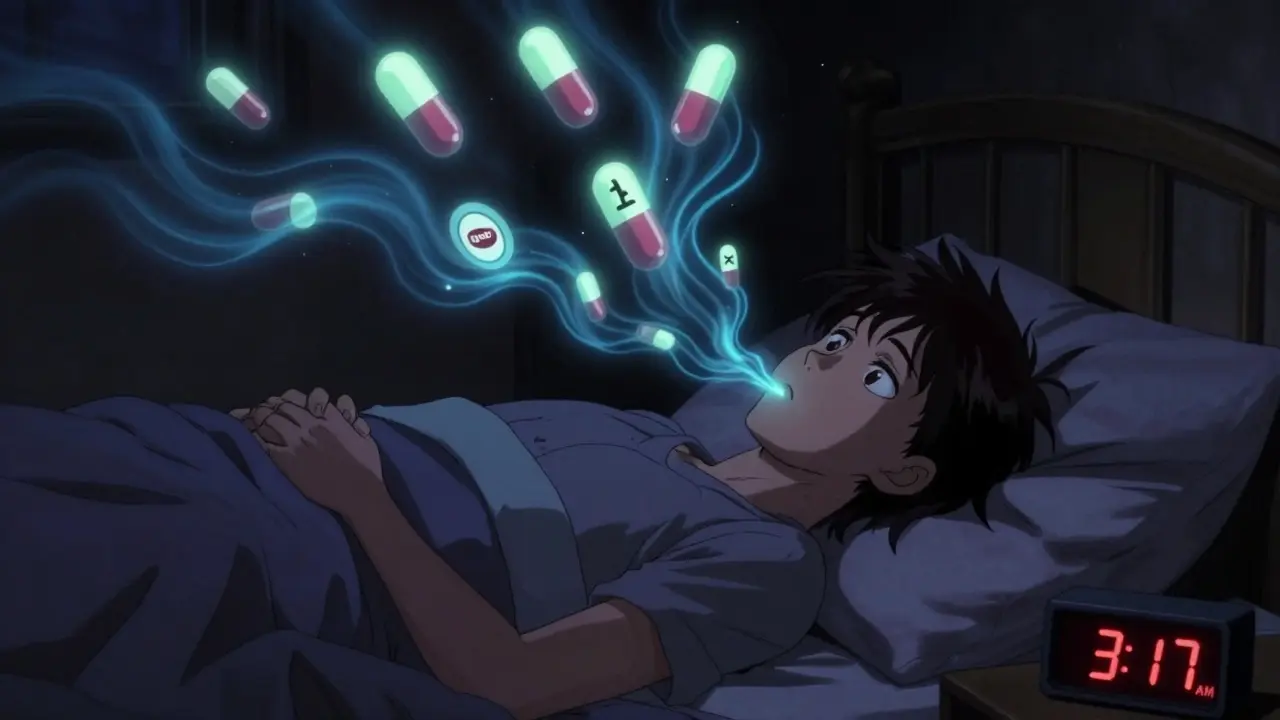
Mixing sedating medications like opioids, benzodiazepines, and sleep aids can lead to deadly respiratory depression. Learn the warning signs, most dangerous combinations, and how to stay safe.
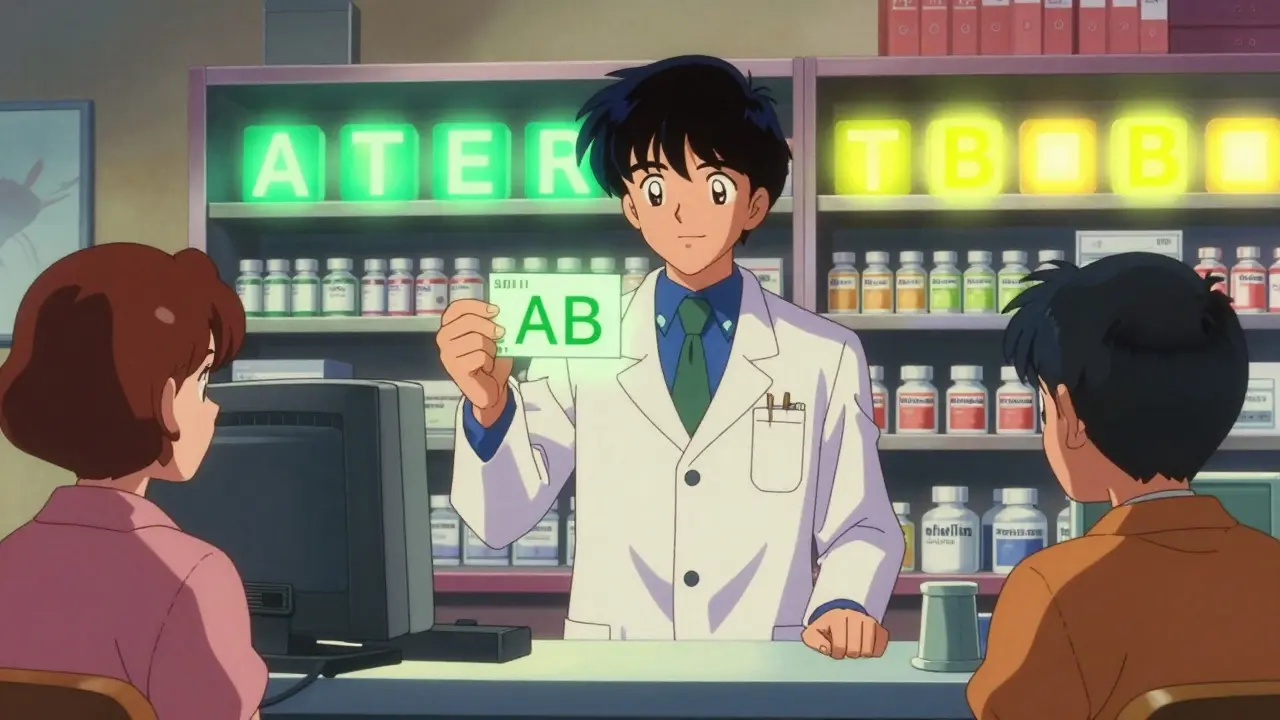
The FDA uses therapeutic equivalence codes to determine which generic drugs can be safely substituted for brand-name medications. Learn how the A and B ratings work, why some generics get flagged, and how this system saves billions in healthcare costs.

Tacrolimus, mycophenolate, and steroids form the standard immunosuppression regimen for kidney transplant patients. This article explains how each drug works, common side effects, monitoring practices, and emerging alternatives like steroid-free protocols.
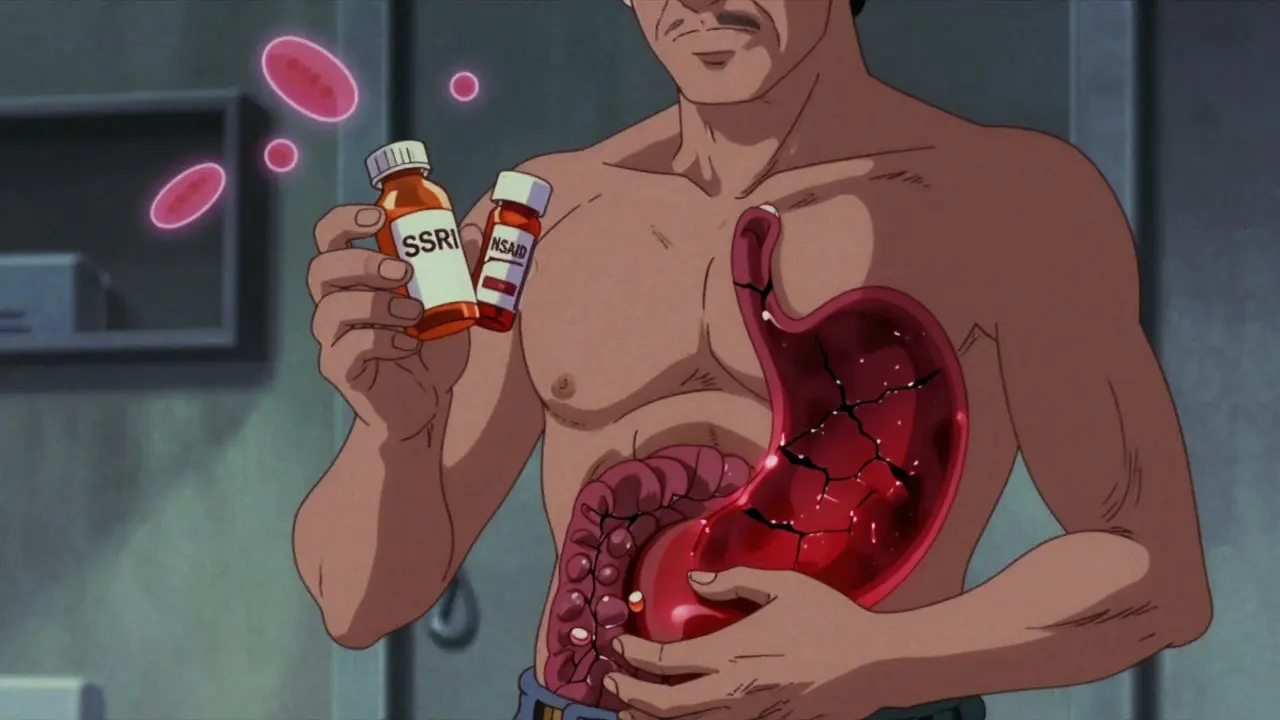
Combining SSRIs and NSAIDs can raise upper GI bleeding risk by 75%. Learn why this happens, who’s most at risk, and how to prevent it with simple, evidence-based steps like switching medications or adding a PPI.
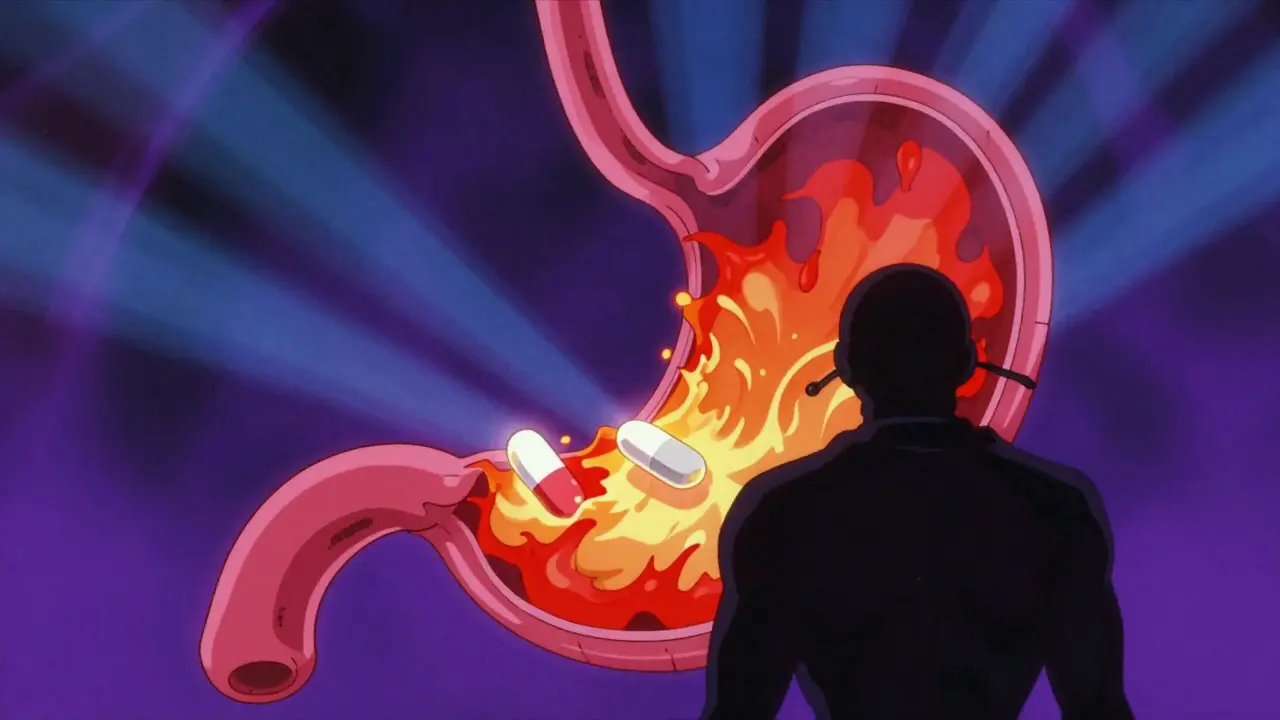
Acid-reducing medications like PPIs can drastically cut absorption of critical drugs like HIV treatments and cancer therapies. Learn which medications are at risk and how to protect your treatment.

Learn how the U.S. pharmaceutical supply chain uses digital tracking, serialization, and strict regulations to protect legitimate drugs from counterfeiters. A deep look at DSCSA, real-world results, and what’s next.

Authorized generics let brand drugmakers stay competitive after patent expiry by selling identical medications under a different label. They lower prices, confuse patients, and spark debate over fair competition.
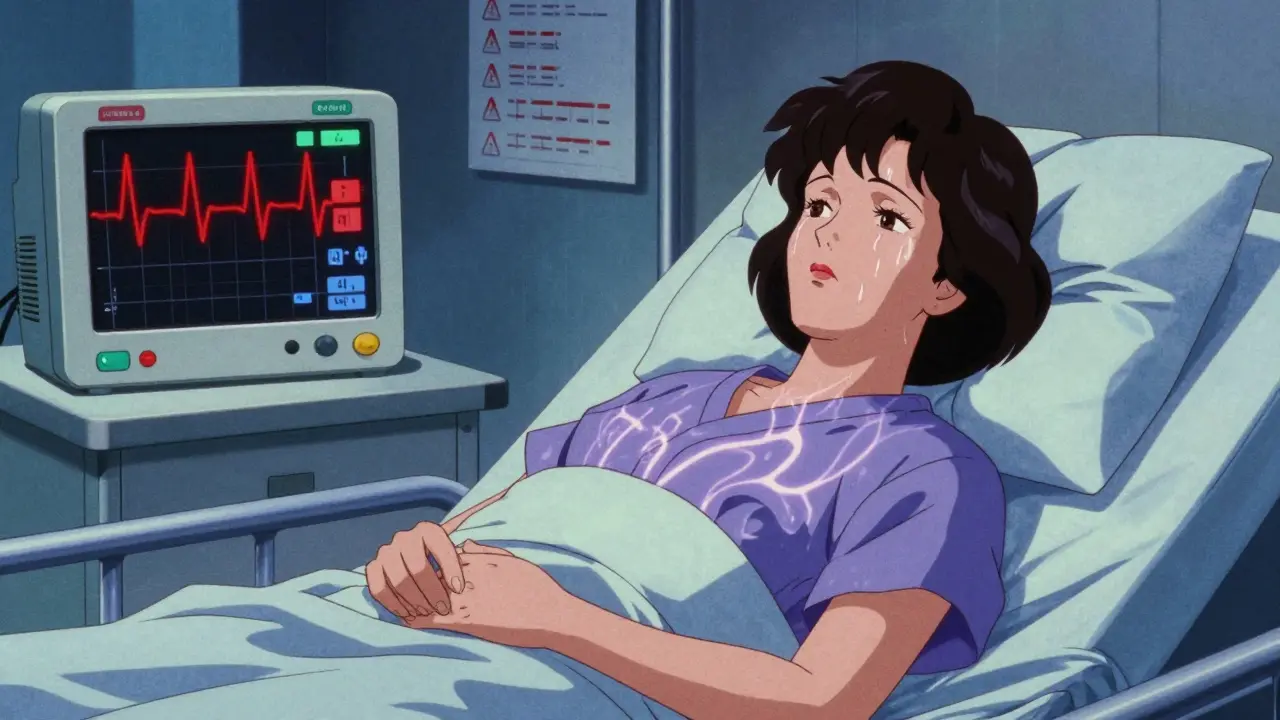
Hydroxyzine can cause dangerous heart rhythm problems like QT prolongation and Torsade de Pointes, especially in older adults or those on other medications. Learn who's at risk and what safer options exist.
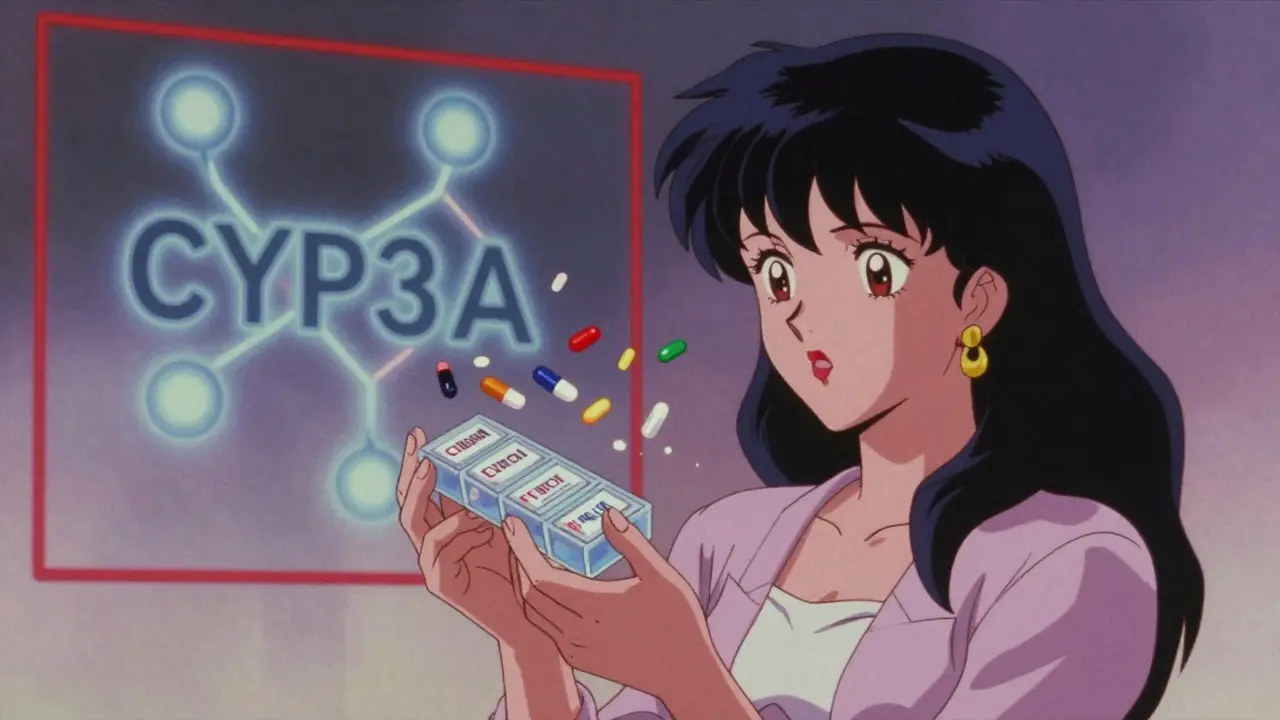
Gender-affirming hormone therapy is safe and effective, but interactions with HIV meds, antidepressants, and other drugs can alter hormone levels or cause side effects. Know which combinations need monitoring and how to stay safe.

ACE inhibitor angioedema is a dangerous, often misdiagnosed drug reaction causing sudden swelling without hives. Learn how to spot it, why standard treatments fail, and what to do if you're at risk.