
When your doctor prescribes warfarin, a vitamin K antagonist used to prevent dangerous blood clots. Also known as Coumadin, it’s one of the most widely used anticoagulants in the world — but it’s not simple. Take it wrong, and you risk serious bleeding. Skip it, and you could get a stroke or a pulmonary embolism.
Warfarin works by slowing down how your body makes clotting proteins. That’s good if you have atrial fibrillation, a replaced heart valve, or a history of deep vein thrombosis. But it’s a tightrope walk. Your blood needs to be thin enough to prevent clots, but not so thin that a bump turns into a bruise the size of a dinner plate. That’s where INR levels, a lab test that measures how long it takes your blood to clot come in. Most people on warfarin aim for an INR between 2 and 3. Go below that, and the clot risk rises. Go above, and you’re flirting with internal bleeding. Regular blood tests aren’t optional — they’re your lifeline.
What you eat, drink, and take alongside warfarin matters more than you think. alcohol, especially in regular or heavy amounts can throw off your INR, making your blood too thin or too thick overnight. Same with foods high in vitamin K — leafy greens, broccoli, kale. You don’t have to avoid them, but you need to keep your intake steady. A salad every day? Fine. A salad one day and none for a week? That’s a red flag. And don’t forget other meds. Antibiotics, painkillers, even some herbal supplements can interact with warfarin in ways your pharmacist might not warn you about.
People on warfarin often feel like they’re walking on eggshells. But you’re not alone. Thousands manage this daily. The key isn’t perfection — it’s awareness. Know your numbers. Track what you eat and drink. Tell every doctor you see you’re on warfarin — even the dentist. And if you notice unexplained bruising, nosebleeds that won’t stop, or dark, tarry stools, don’t wait. Call your provider. This isn’t a drug you can guess your way through. It’s a tool, and like any tool, it’s powerful when used right — dangerous when used wrong.
Below, you’ll find real-world guides on how warfarin interacts with alcohol, what to do when your INR swings, how to spot bleeding risks early, and how others manage this medication day to day. No fluff. Just what works.

Blood thinner overdose can cause life-threatening internal bleeding. Know the warning signs, what to do immediately, and how doctors treat it. Acting fast saves lives.

Learn how vitamin K in foods like spinach and kale affects warfarin and INR levels. Discover how consistent intake-not restriction-is the key to safe anticoagulation therapy.
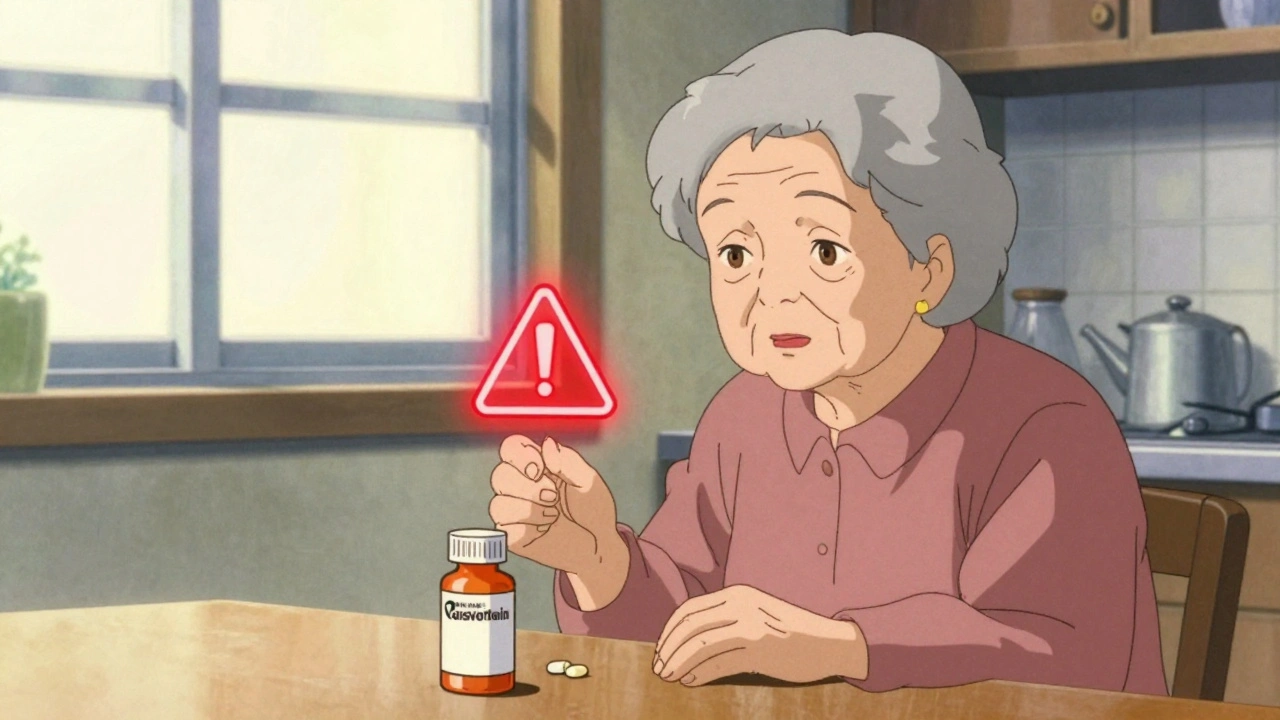
Ginkgo Biloba may increase bleeding risk when taken with blood thinners like warfarin, aspirin, or clopidogrel. Learn what the evidence says, which interactions are dangerous, and what steps to take to stay safe.
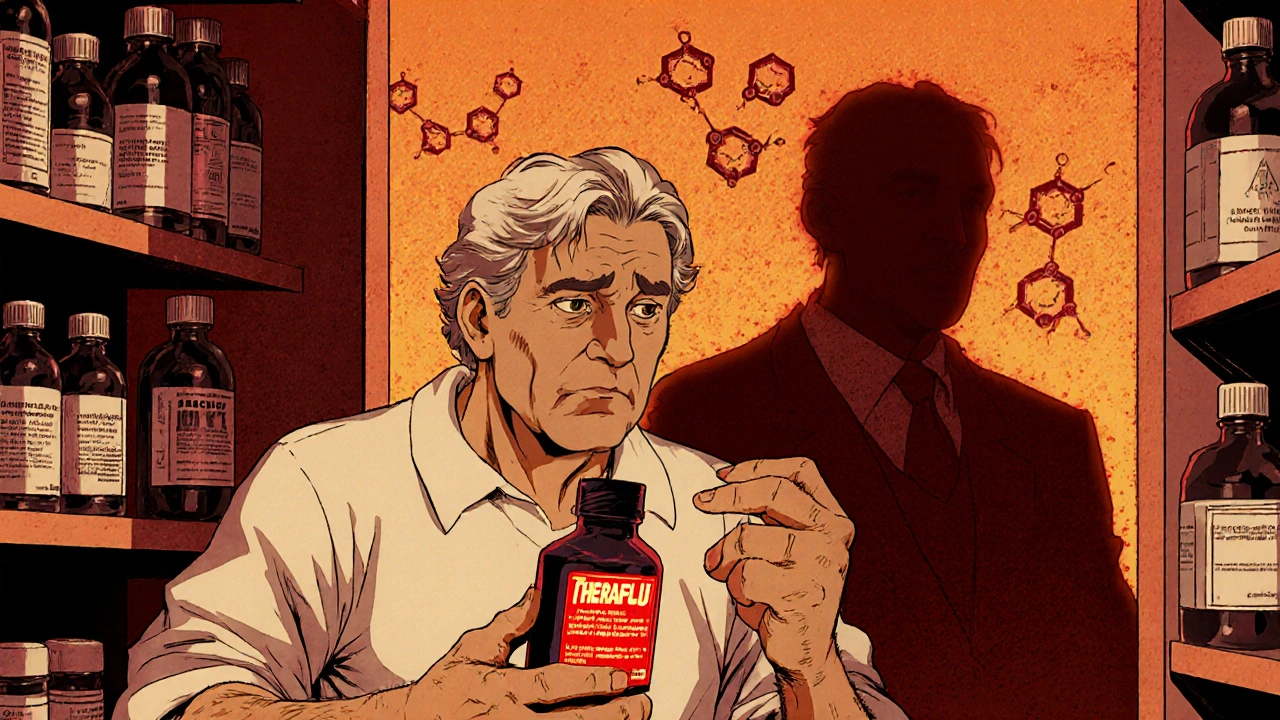
Warfarin users must avoid common OTC cold medicines like NSAIDs and high-dose acetaminophen. Learn which ingredients are safe, how to read labels, and what to do before taking anything to prevent dangerous bleeding.