
When it comes to medication safety, the practice of using drugs correctly to avoid harm while achieving health goals. Also known as drug safety, it’s not just about taking pills as directed—it’s about understanding how your body, other meds, and even your lifestyle interact with them. In November 2025, we dug into real, everyday risks that most people overlook: how a daily supplement like quercetin, a common plant-based antioxidant supplement can spike blood levels of your blood pressure or heart meds by blocking liver enzymes. Or how calcium and iron supplements, daily staples for bone and blood health can cut your thyroid medication’s effectiveness by nearly 40% if taken at the wrong time. These aren’t rare edge cases—they’re routine mistakes that lead to hospital visits.
Older adults face even sharper risks. elderly medication side effects, the increased vulnerability of seniors to drug reactions due to changes in metabolism, kidney function, and polypharmacy aren’t just about dizziness or confusion—they’re tied to falls, hospital stays, and even death. We looked at why opioids that work fine for a 50-year-old can trigger delirium in a 75-year-old, and why even a single glass of wine can throw off INR levels for someone on warfarin. Meanwhile, NTI drugs, narrow therapeutic index medications where tiny changes in dose cause big effects like seizure or heart rhythm drugs have almost no safe generic alternatives—yet many patients still get switched without knowing the danger. And if you’ve ever wondered why your generic pill looks different from the brand, it’s not because it’s weaker—it’s because of U.S. trademark laws, not science.
It’s not all risks. We also covered how generic medications, FDA-approved copies of brand-name drugs with identical active ingredients are gaining trust through patient support groups sharing real stories, and how direct-to-consumer pharmacies are making essential meds cheaper and easier to get. You’ll find guides on reading prescription labels like BID and PRN, avoiding cold meds that clash with blood thinners, and why alcohol doesn’t just mess with sleep—it sabotages your brain’s recovery cycle. Whether you’re managing thyroid meds, caring for an aging parent, or just trying not to overdose on OTC painkillers, this collection gives you the facts you need to stay safe. What you’ll find below isn’t theory—it’s what people are actually dealing with, and how to fix it.
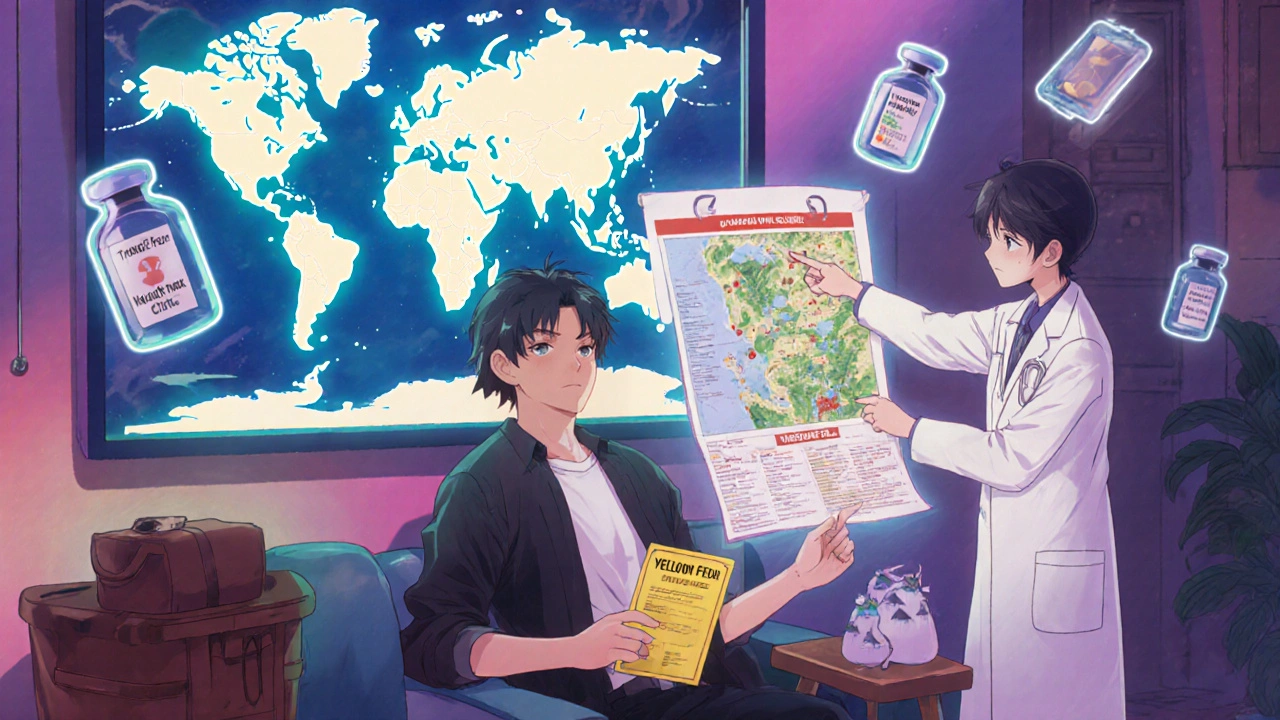
Travel health clinics provide personalized medication plans for international trips, including vaccines, malaria prevention, and emergency treatments. See how to plan ahead, what to expect, and where to go for the best care.

Psoriatic arthritis links skin and joint inflammation through the same immune system attack. Learn the key signs, why diagnosis is delayed, and how modern treatments can stop joint damage before it's too late.
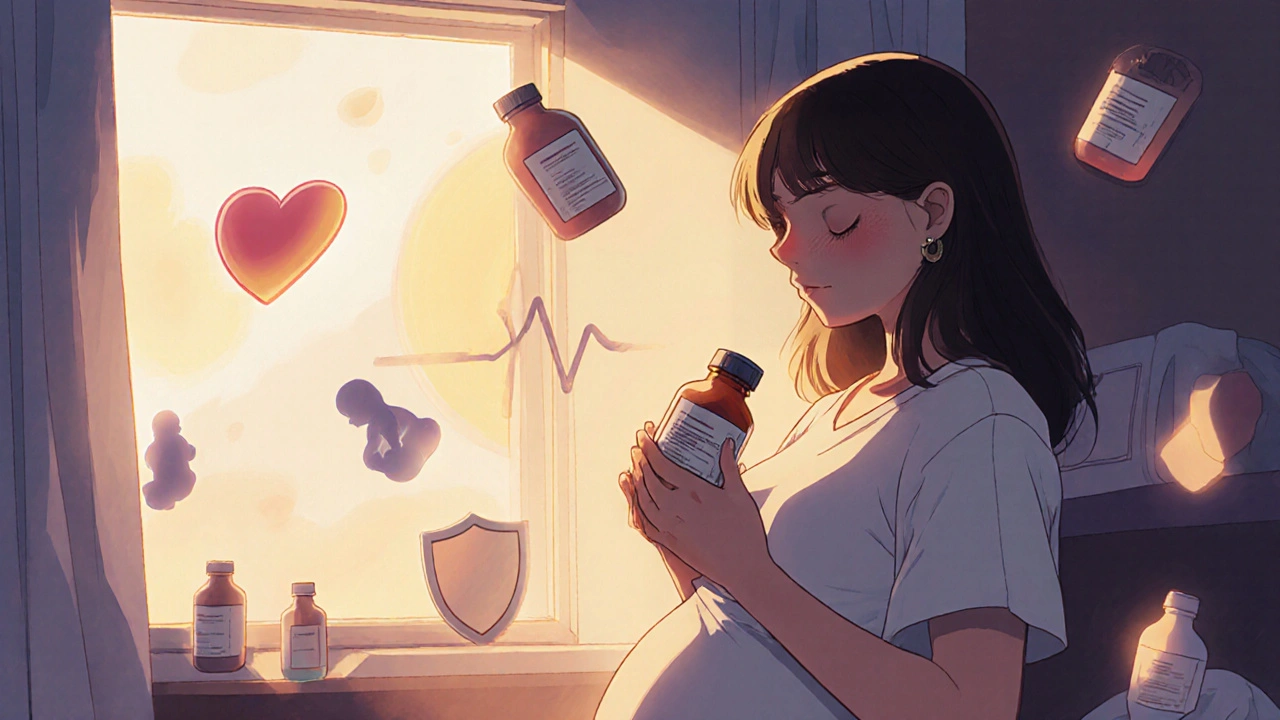
Learn the safest ways to manage pain and fever during pregnancy with acetaminophen and NSAIDs. Know which medications are safe in each trimester and what risks to watch for.
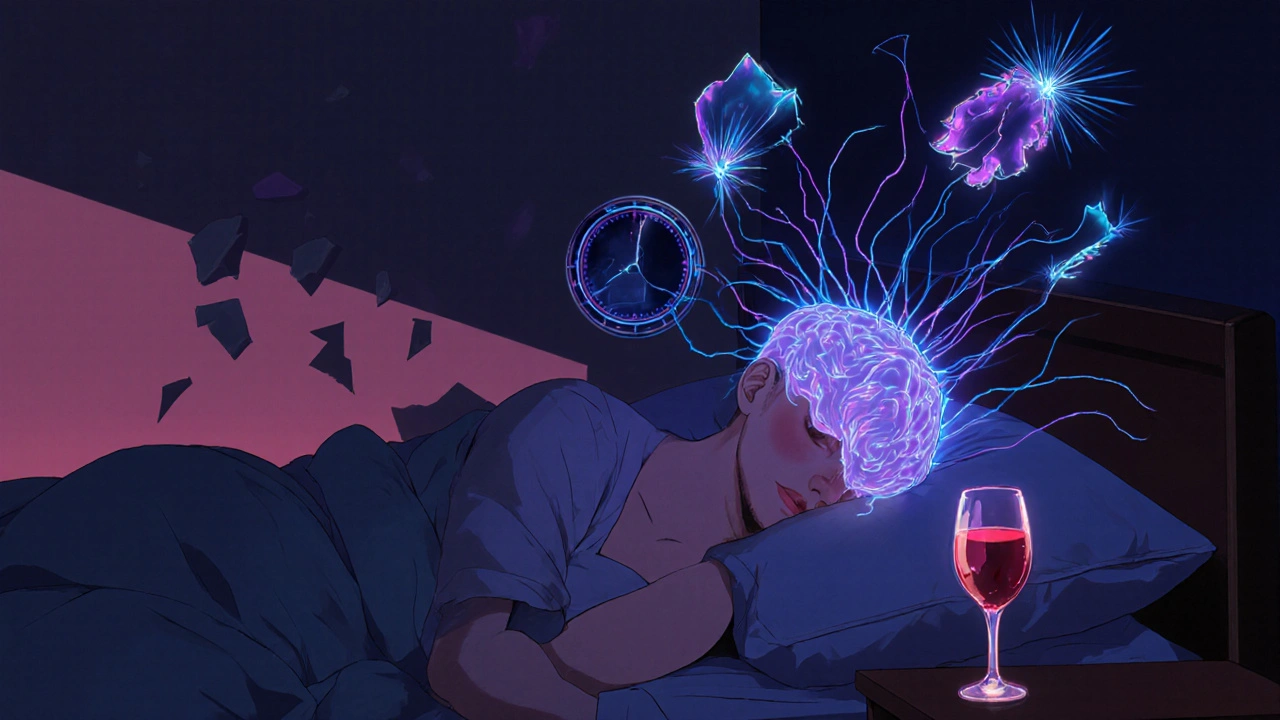
Alcohol may help you fall asleep faster, but it fragments your sleep, worsens apnea, and leaves you tired the next day. Learn how even one drink disrupts your brain’s natural sleep cycle and what to do instead.

Meningitis can be deadly, but vaccines prevent most cases. Learn the key types, early symptoms to watch for, and how vaccines protect you and your family from bacterial, viral, and fungal forms.
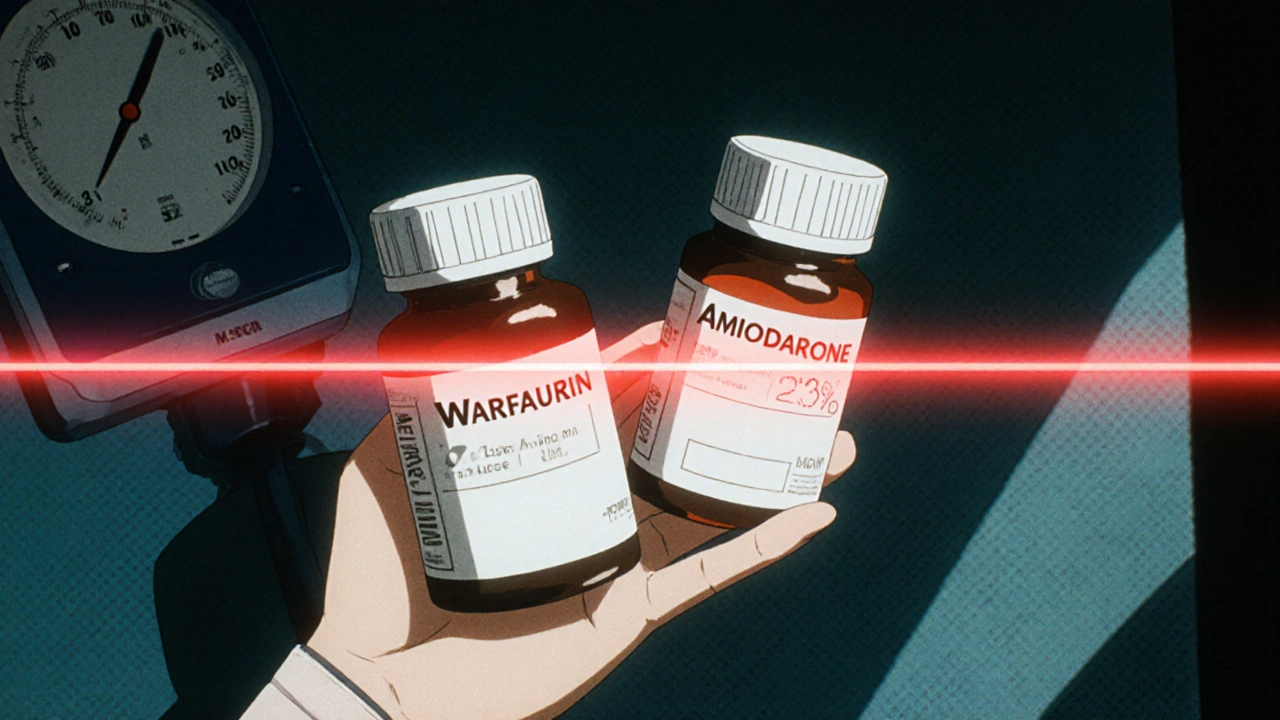
Combination NTI drugs offer powerful treatment for complex conditions but come with high risks when generics are substituted. Most have no generic versions due to strict bioequivalence challenges, leaving patients vulnerable to dangerous fluctuations in drug levels.
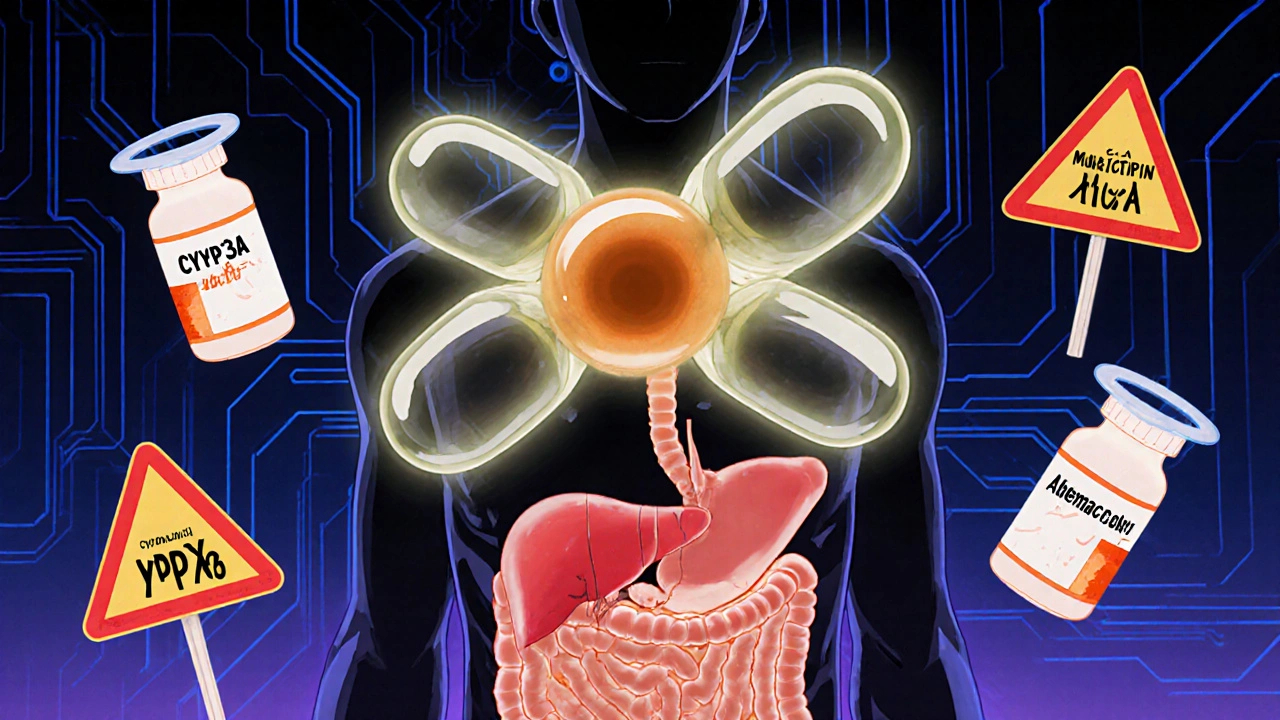
Quercetin supplements can dangerously raise levels of common medications by inhibiting liver enzymes. Learn which drugs are at risk, who's most vulnerable, and what to do to stay safe.
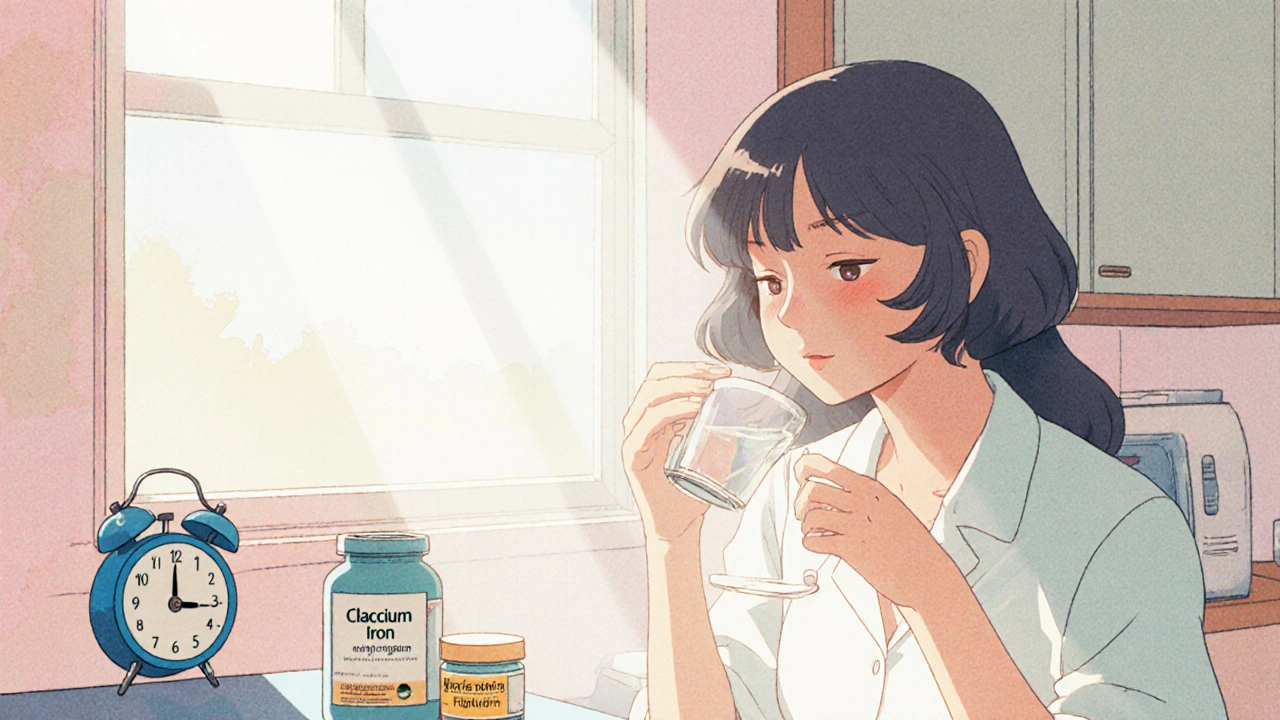
Calcium and iron supplements can reduce levothyroxine absorption by up to 36%, leading to poor thyroid control. Learn the right timing to avoid interactions, which foods and drinks interfere, and how to fix your routine for better results.
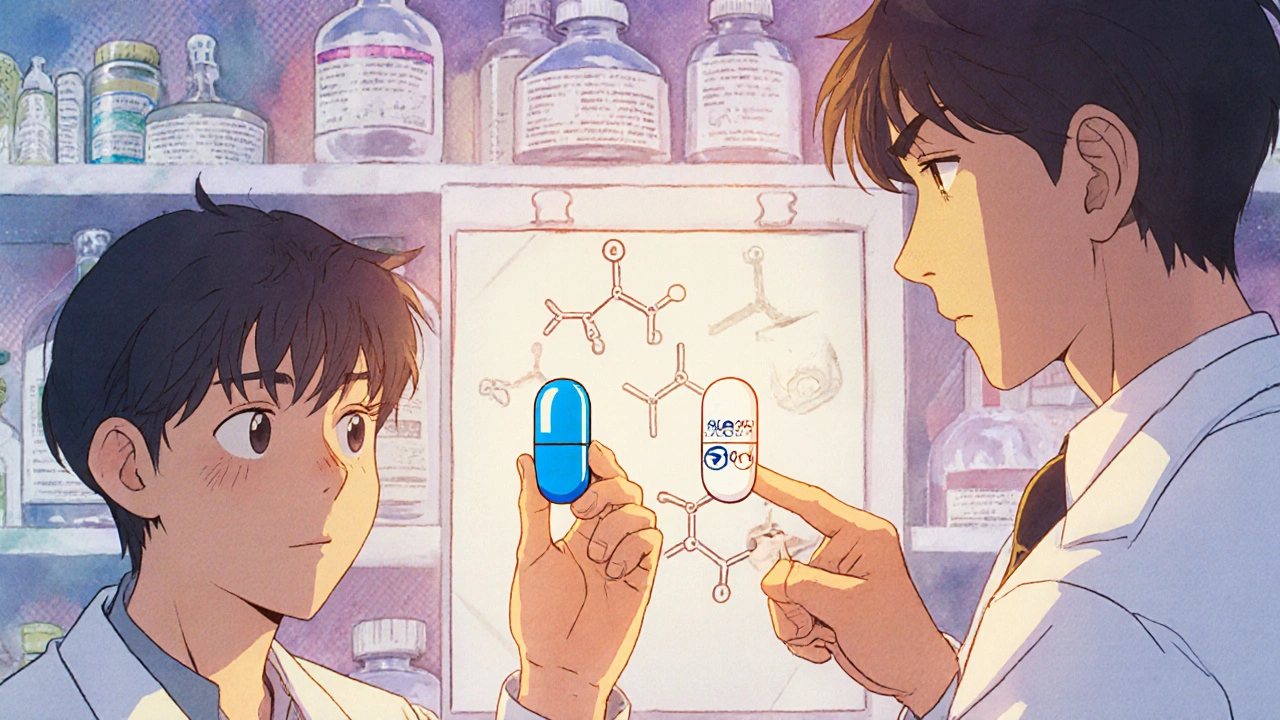
Authorized generics look different from brand-name drugs due to U.S. trademark laws, not because they're less effective. They contain the exact same ingredients and work the same way - just without the brand name.
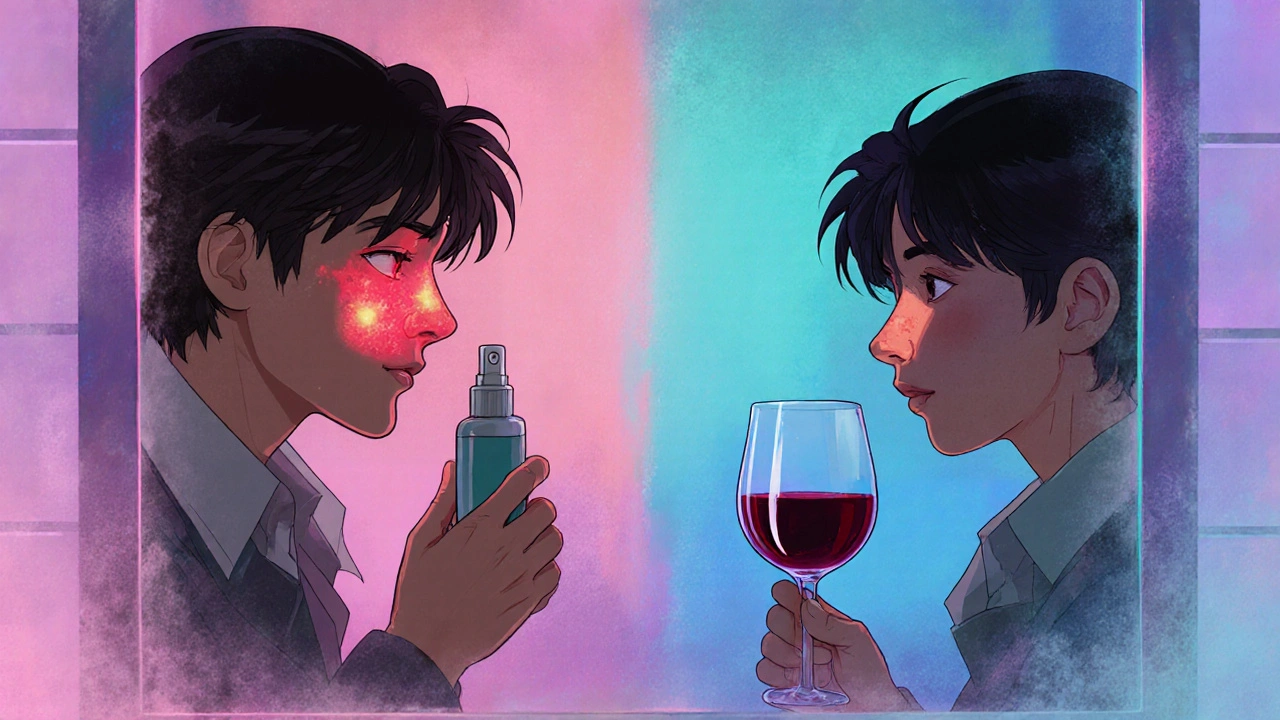
Fluticasone and alcohol don't interact directly, but alcohol can worsen allergy and asthma symptoms by triggering inflammation and drying out nasal passages. Learn how drinking affects your treatment and what to do instead.
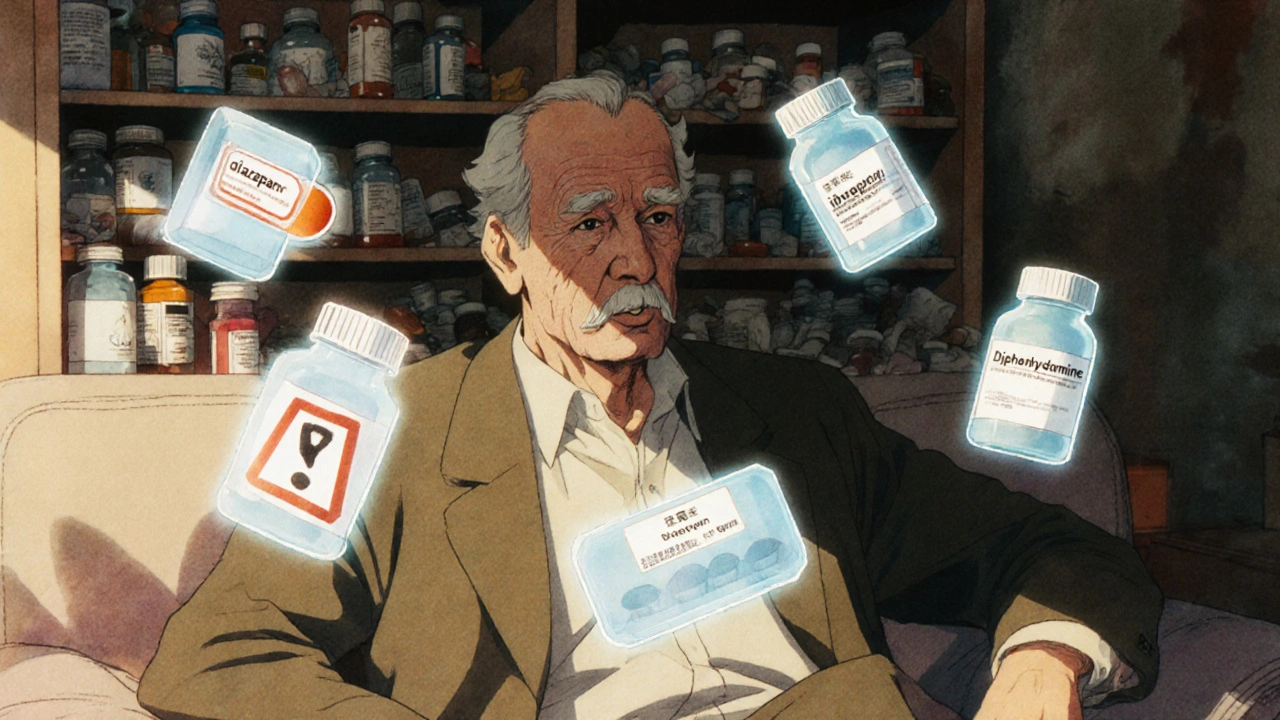
Elderly patients face higher risks from medication side effects due to age-related changes in how the body processes drugs. Learn why polypharmacy, physiological shifts, and common medications increase fall risk, confusion, and hospitalizations-and what you can do to stay safe.
Direct-to-consumer generic pharmacies are cutting out middlemen to offer lower prices, faster delivery, and transparent pricing for everyday medications. Learn how platforms like Ro and Hims & Hers are changing drug access in 2025.