
When you hear generic drug approval, the process by which regulatory agencies confirm that a non-brand medication is safe and effective as its branded counterpart. Also known as bioequivalence certification, it's not just a paperwork step—it's the gatekeeper between affordable medicine and patient safety. Many assume that if a pill looks different and costs less, it must be inferior. But that’s not how it works. The FDA requires generic drugs to deliver the same active ingredient, in the same amount, at the same speed as the brand-name version. No exceptions. No shortcuts. If it doesn’t match, it doesn’t get approved.
But here’s the catch: bioequivalence, the scientific standard that proves a generic drug performs identically to the brand in the body isn’t always easy to prove—especially for complex drugs like blood thinners, epilepsy meds, or combination therapies. That’s why some drugs, like NTI (narrow therapeutic index) combinations, have no generics at all. Even small differences in absorption can mean the difference between control and crisis. And while most generics pass with flying colors, the FDA drug approval, the system that inspects manufacturing sites, reviews data, and enforces standards for all approved medications has caught plants in India, China, and elsewhere cutting corners. Contaminated ingredients, falsified records, poor quality control—these aren’t rumors. They’re documented violations that have led to recalls and real harm.
So what does this mean for you? Not all generics are created equal, and approval doesn’t guarantee perfection. But it does mean the system is watching. The generic drug approval process is designed to catch bad actors before pills hit shelves. Still, problems happen—like when a plant skips stability tests, or when a generic version of a thyroid med absorbs differently because of filler changes. That’s why some patients report side effects switching from brand to generic, even when the FDA says they’re identical. And that’s why patient stories in support groups matter—they fill gaps the data misses.
You’ll find posts here that dig into real-world cases: how manufacturing flaws led to unsafe generics, why some combination drugs can’t be copied, how authorized generics look different but work the same, and what to do if you think your medication isn’t working right. We cover the science behind approval, the risks that slip through, and the quiet battles patients fight when their insurance forces a switch. This isn’t about fear—it’s about awareness. Knowing how approval works helps you ask the right questions, spot red flags, and advocate for yourself when something feels off.
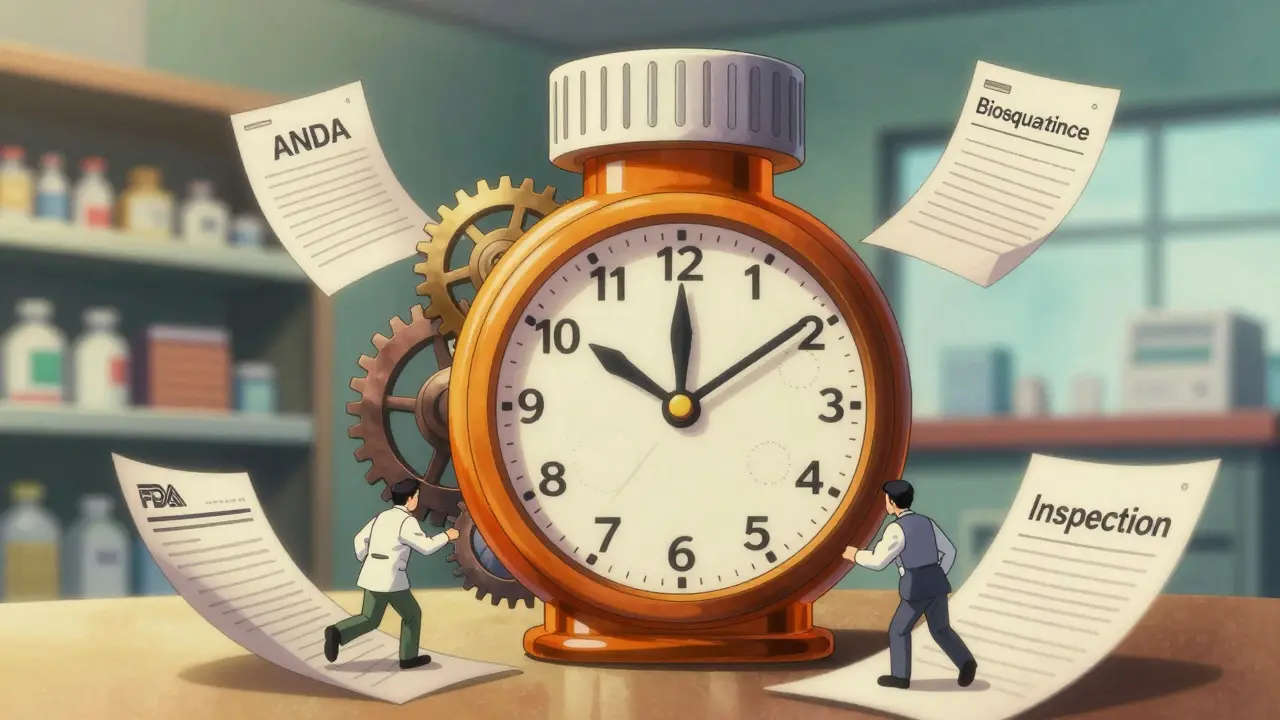
Discover the real timeline for FDA generic drug approvals in 2025 - from the standard 10-month review to fast-tracked options, complex product delays, and how AI is speeding things up. Know what affects approval time and how to plan accordingly.
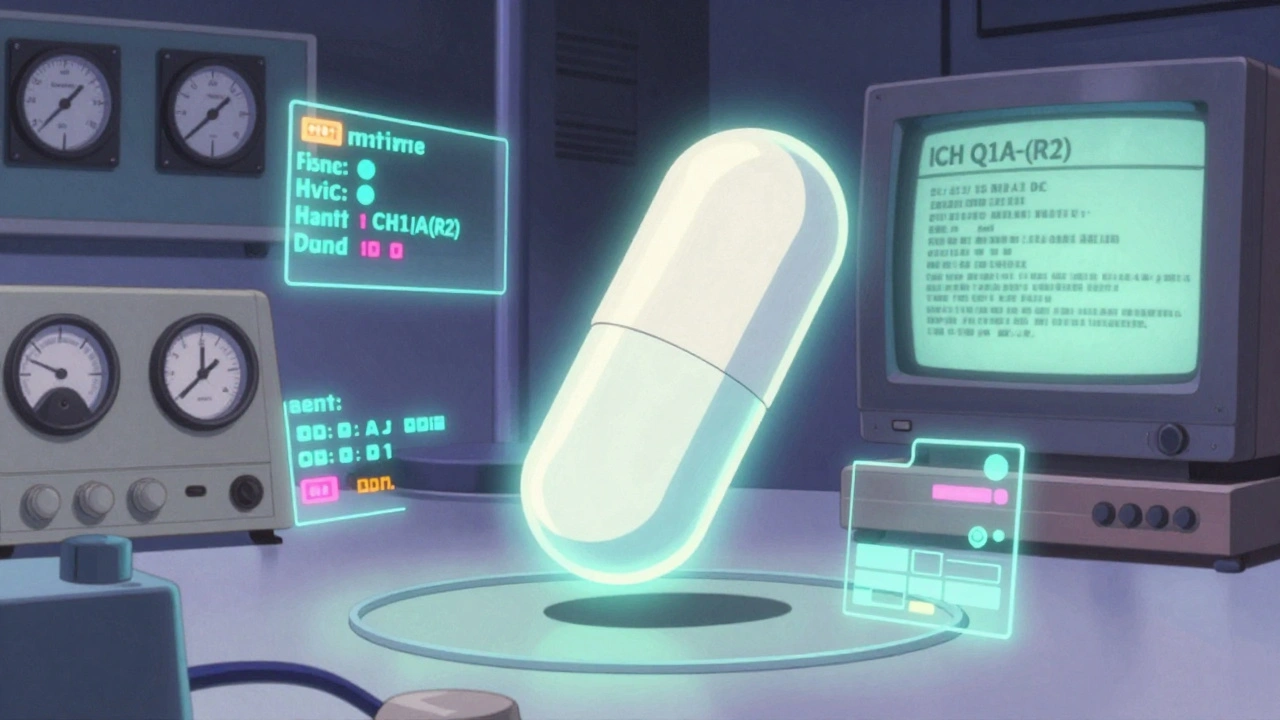
Learn the FDA's exact stability testing requirements for generic drugs, including batch size, testing schedules, container rules, common rejection reasons, and 2025 updates. Essential for manufacturers and regulators.
The Hatch-Waxman Act created the modern generic drug system in the U.S., balancing innovation with affordable access. It cut approval costs, sped up generic entry, and saved trillions in healthcare spending.