
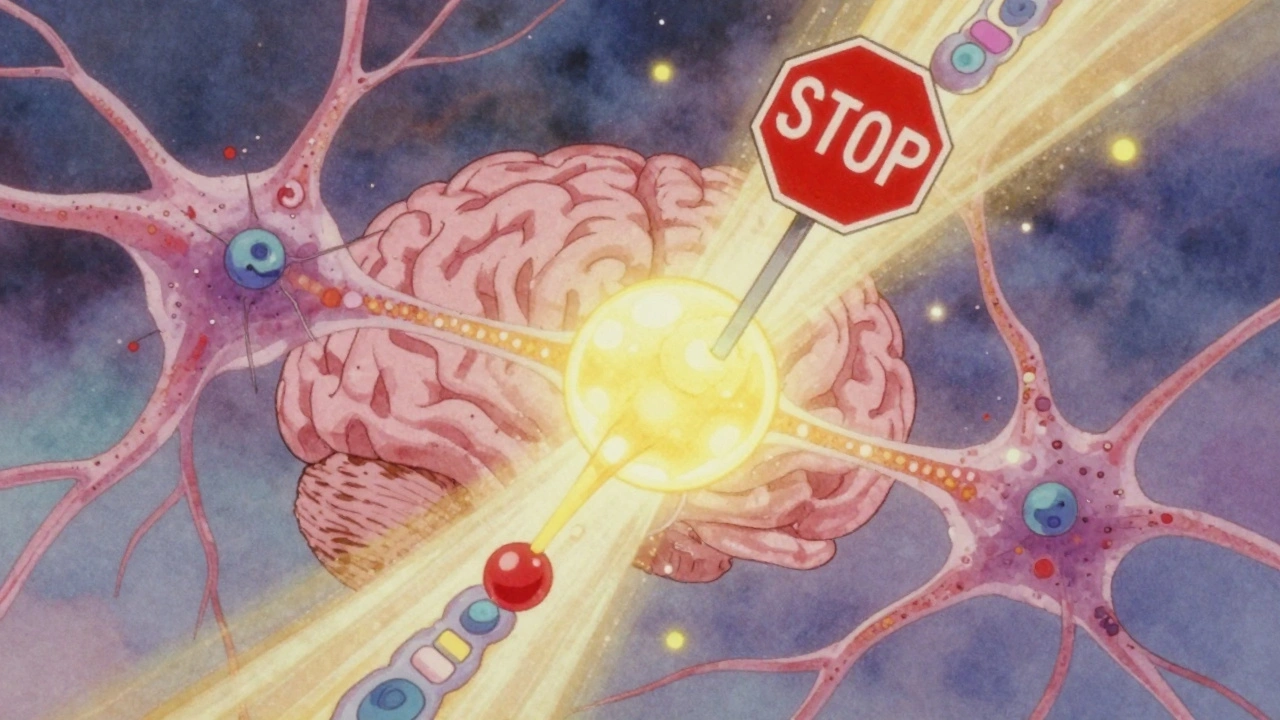
When you start taking an SSRI, a class of antidepressants that increase serotonin in the brain to improve mood. Also known as selective serotonin reuptake inhibitors, these drugs are among the most prescribed mental health medications in the world. But for all their benefits, they don’t come without trade-offs. Many people feel better within weeks, but others deal with side effects that range from annoying to alarming. The good news? Most side effects fade as your body adjusts. The important part? Knowing which ones to watch for—and when to call your doctor.
One of the most serious risks tied to SSRIs, medications that boost serotonin levels to treat depression and anxiety is serotonin syndrome, a rare but potentially life-threatening reaction caused by too much serotonin in the brain. It doesn’t happen from SSRIs alone. It shows up when you mix them with other serotonin-boosting substances—like L-tryptophan, a supplement that increases serotonin production, certain pain meds, or even some herbal products. Symptoms include confusion, rapid heart rate, muscle stiffness, and high fever. If you feel any of these after starting or changing a dose, don’t wait. Get help right away.
More common side effects? Nausea, dizziness, dry mouth, weight gain, and trouble sleeping. Some people feel emotionally numb or lose interest in sex. These aren’t rare—they’re expected in the first few weeks. But if they stick around past 6 to 8 weeks, or get worse, it’s time to talk to your provider. Switching to a different SSRI or adjusting the dose often helps. And don’t stop cold turkey. SSRI withdrawal, the cluster of symptoms that occur when stopping these meds too quickly can hit hard: brain zaps, dizziness, irritability, even flu-like symptoms. Tapering slowly under medical supervision makes all the difference.
What’s also easy to miss? How SSRIs interact with other drugs you’re taking. Mixing them with blood thinners, medications that reduce clotting to prevent strokes and clots can raise your bleeding risk. Even something as simple as ibuprofen or ginkgo biloba can tip the balance. And if you’re older, your body processes these drugs slower—side effects like dizziness or confusion become more dangerous, especially when it comes to falls.
There’s no one-size-fits-all when it comes to SSRIs. What works for one person might leave another feeling worse. That’s why tracking your symptoms, knowing what’s normal, and staying in touch with your care team matters more than just taking the pill every day. Below, you’ll find real, practical insights from people who’ve been there—what they noticed, what surprised them, and what helped them get through it.

Learn proven psychological strategies to manage anxiety about medication side effects, including CBT, symptom tracking, and the nocebo effect. Reduce fear, improve adherence, and stay on track with your treatment.
SSRIs are the most common antidepressants used today. Learn how they work, why they take weeks to help, common side effects like sexual dysfunction and brain zaps, and what to expect when starting or stopping them.