
When your body has too much serotonin, a chemical that helps regulate mood, sleep, and digestion. Also known as serotonin toxicity, it can turn a normal medication routine into a medical emergency. This isn’t just a side effect—it’s a potentially life-threatening reaction that happens when drugs boost serotonin levels too high, too fast. It’s not rare, especially with the rise in antidepressant use, and many people don’t recognize the symptoms until it’s too late.
The most common triggers are SSRIs, a class of antidepressants that increase serotonin availability in the brain, like fluoxetine or sertraline. But it doesn’t stop there. Mixing SSRIs with other drugs—like certain painkillers, migraine meds, or even herbal supplements like St. John’s wort—can push serotonin over the edge. Even switching from one antidepressant to another without a proper washout period can do it. Drug interactions, when two or more substances affect each other’s effects in the body are the #1 cause. And it’s not just prescription meds: some OTC cold medicines and supplements carry hidden risks.
What does it feel like? Symptoms can show up within hours: shivering, sweating, fast heartbeat, high blood pressure, muscle stiffness, confusion, or even seizures. Mild cases might look like the flu. Severe cases can lead to high fever, irregular heartbeat, and organ failure. If you’re on an antidepressant and start feeling off after a new medication or dose change, don’t wait. Call your doctor or go to the ER. Time matters.
Most people think serotonin syndrome only happens with illegal drugs or overdoses. But in reality, it’s more often caused by well-intentioned choices—like adding a new supplement, taking an extra pain pill, or skipping a doctor’s advice about drug timing. The good news? It’s preventable. Knowing which drugs to avoid together, understanding your own medication list, and speaking up when something feels wrong can save your life.
In the posts below, you’ll find real-world examples of how serotonin syndrome connects to everyday medications—from gabapentin and quercetin to common pain relievers and supplements. These aren’t theoretical risks. They’re documented cases, explained plainly, with clear advice on how to stay safe. Whether you’re managing depression, chronic pain, or just trying to avoid bad reactions, this collection gives you the facts you need to make smarter choices.
MAOIs can help with treatment-resistant depression, but combining them with SSRIs or SNRIs can be deadly. Learn which antidepressants are safe to use with MAOIs, what to avoid, and how to manage diet and timing to stay safe.
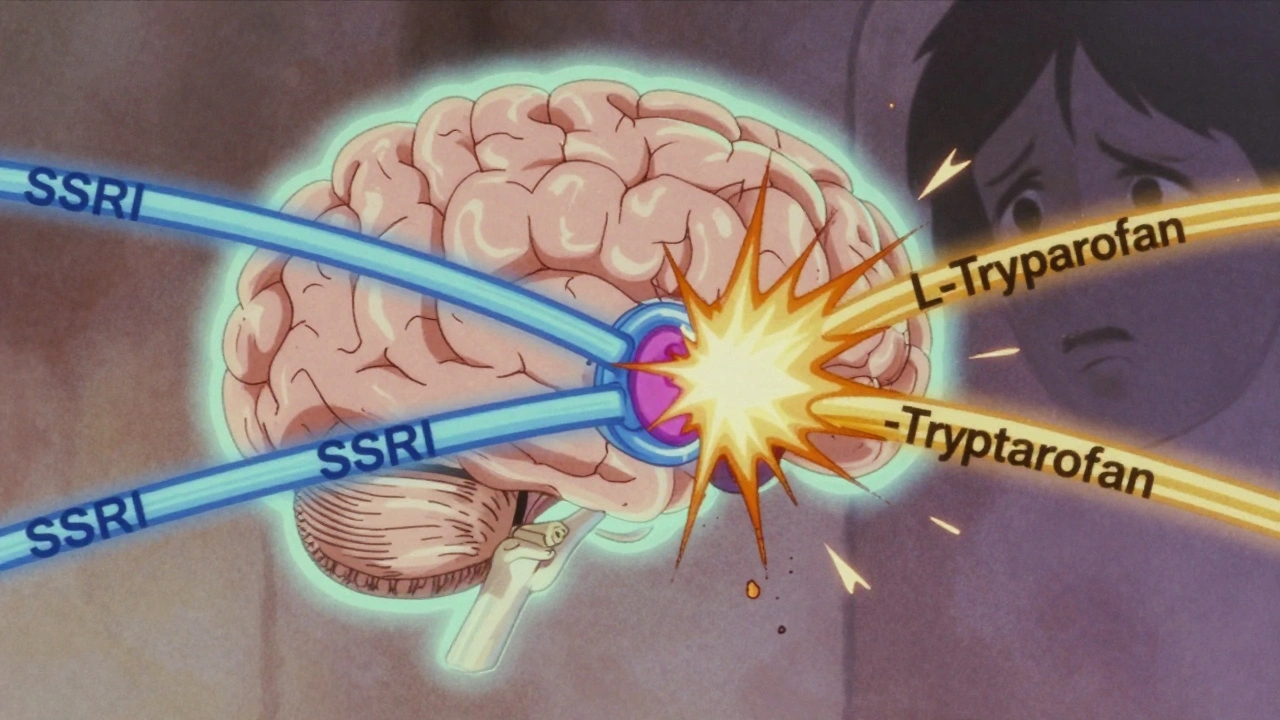
L-Tryptophan boosts serotonin, just like SSRIs. Together, they can trigger serotonin syndrome-a serious, sometimes fatal condition. Learn who’s at risk, what symptoms to watch for, and why most doctors won’t recommend this combo.