
When you pick up a generic pill at the pharmacy, you’re seeing the direct result of the Hatch-Waxman Act, a 1984 U.S. law that balanced drug innovation with affordable access by creating a faster path for generic drugs to reach the market. Also known as the Drug Price Competition and Patent Term Restoration Act, it’s the reason you can buy the same medicine for a fraction of the brand-name cost. Before this law, companies spent years and millions to prove a generic version worked — even when the original drug’s patent had expired. Hatch-Waxman changed that by letting generic makers rely on the brand’s safety data, as long as they showed their version was bioequivalence, the scientific standard that proves a generic drug delivers the same amount of active ingredient into the bloodstream at the same rate as the brand. That’s why your generic pill might look different but works the same.
But the law wasn’t perfect. It gave brand-name companies extra patent time to make up for delays in FDA approval — a loophole some used to extend monopolies by making tiny changes to the drug, like switching from a tablet to a capsule. Meanwhile, the law didn’t fully account for complex drugs like combination NTI drugs, medications with narrow therapeutic indexes where even small differences in absorption can cause harm. That’s why many high-risk combos — like those used for epilepsy or blood thinning — still have no generic options, even decades later. And while the law helped bring down prices for millions, it didn’t fix the deeper problems: overseas manufacturing flaws, inconsistent FDA inspections, and the rise of authorized generics, brand-made generics sold under a different label that look identical but aren’t always cheaper.
Today, the Hatch-Waxman Act is both a success story and a cautionary tale. It made generics mainstream, but it also left gaps in oversight that show up in drug shortages, quality issues, and confusing label changes. The posts below dig into those real-world consequences — from how manufacturing defects slip through, to why some patients fear generics even when they’re safe, to how new business models are trying to fix what the law never solved. You’ll find stories about real people, real pills, and the system that decides what you pay for them.
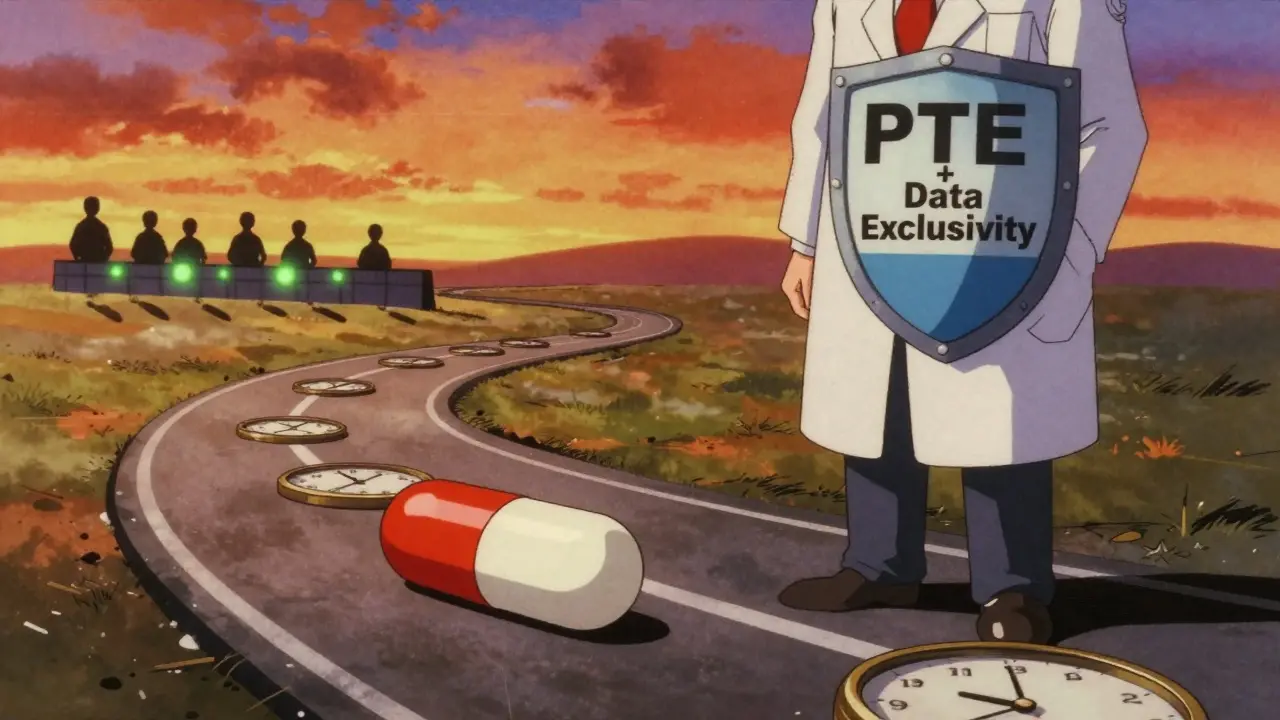
Generic drug exclusivity periods vary globally, with the U.S. using complex patent extensions and 180-day market rewards, while the EU relies on data protection timelines. These rules determine when affordable medicines become available-and who pays the price.
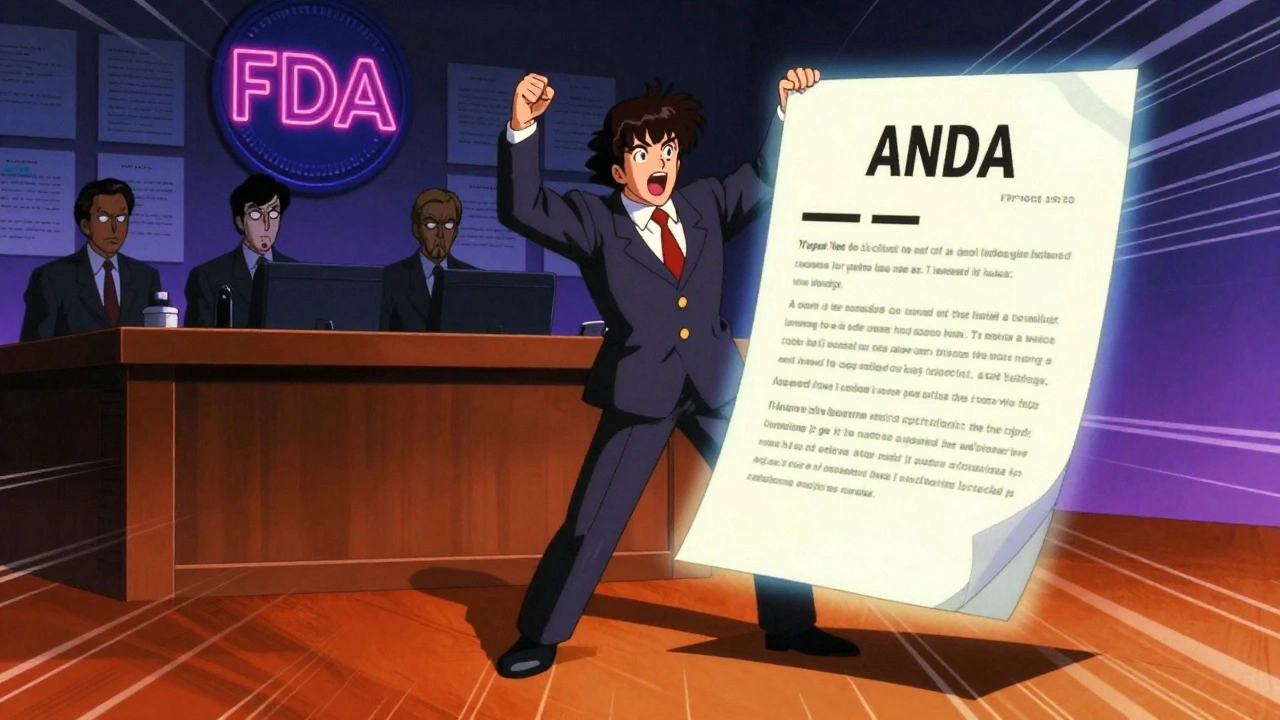
The Hatch-Waxman Act created the modern generic drug system in the U.S., balancing innovation with affordable access. It cut approval costs, sped up generic entry, and saved trillions in healthcare spending.