
Goldenseal Drug Interaction Checker
Step 1: Select Your Medication Class
Based on the article, Goldenseal inhibits liver enzymes (CYP3A4, etc.). Check which drug classes listed below apply to you.
Timeline Calculation
Enzyme suppression lasts 7-14 days.
Analysis Pending
Select a drug type.
Mechanism Explained
Information will appear here after selection.
The Hidden Danger in Your Medicine Cabinet
Imagine taking a natural root remedy for a cold, only to find your blood pressure medication stops working correctly. It sounds like a plot twist from a medical thriller, but it happens more often than you might think. The herb in question is goldenseal. Many of us reach for herbal supplements when we feel under the weather, assuming "natural" means safe. But the truth is that nature can pack a punch that disrupts modern medicine. Specifically, goldenseal interacts with the very enzymes in your liver that process your prescriptions.
If you take daily medications, especially for heart conditions, blood sugar, or mental health, this plant isn't just a harmless addition. It changes how your body handles other drugs. In this guide, we are going to break down exactly what goldenseal does inside your body, why it clashes with prescription meds, and how to keep yourself safe while managing your health.
What Exactly Is Goldenseal?
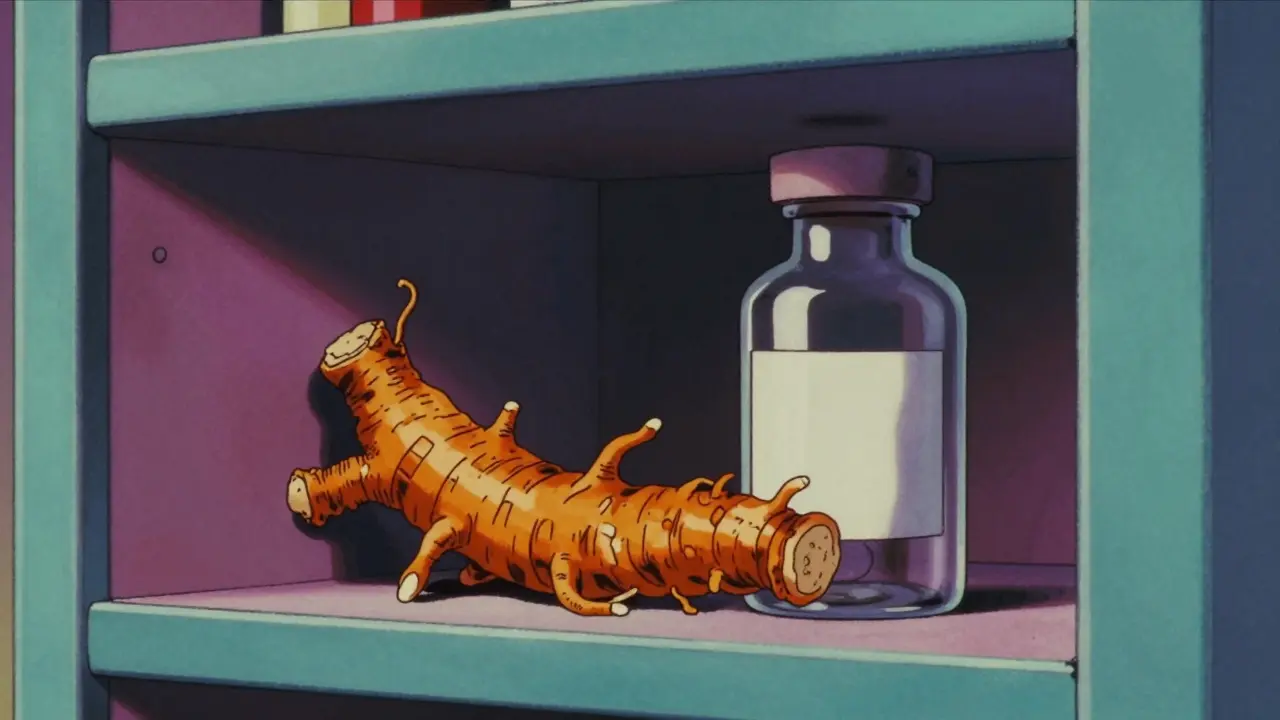
To understand the risk, we first need to know what we are dealing with. Goldenseal is a perennial herb native to eastern North America, recognized for its bright orange roots and medicinal alkaloids. Indigenous peoples used it centuries ago for infections and skin issues. Today, it sits on pharmacy shelves as a supplement for immune support or sinus congestion.
The reason it works-and the reason it causes problems-lies in its chemical makeup. The root contains powerful compounds called alkaloids. The most significant ones are Berberine and Hydrastine. These aren't just passive ingredients; they are biologically active. Berberine, in particular, gets a lot of attention right now for potential metabolic benefits. However, in the context of drug interactions, these compounds act like traffic cops at a busy intersection. They don't just drive through the system quietly; they stop the flow of other chemicals moving through your liver.
How Your Liver Processes Medications
Your liver is essentially a massive chemical processing plant. When you swallow a pill, your liver doesn't just let it float into your bloodstream. It has to break it down so your body can use it or get rid of it. This breakdown relies heavily on a specific family of enzymes known as Cytochrome P450. If that name sounds complicated, think of them as tiny machines with specific jobs.
There are several types of these enzymes, and they handle different categories of drugs. For example, one version handles heart meds, another handles antidepressants. When everything works normally, these enzymes metabolize roughly three-quarters of all prescription drugs. That is a staggering amount. Now, picture what happens if someone puts a wrench into that machine. Suddenly, the drugs pile up in your system instead of being processed. You could end up with toxic levels of medication in your blood, leading to severe side effects. Conversely, sometimes the effect is reduced, meaning your medicine doesn't work at all.

The Mechanism of Goldenseal Interference
Here is where goldenseal steps into the conversation. Research published by the National Institutes of Health shows that goldenseal extract doesn't play nice with these enzymes. It acts as an inhibitor. In simpler terms, it tells the enzyme to stop working or slow down significantly.
A study focusing on these interactions identified five major enzyme isoforms that goldenseal messes with:
- CYP3A4: This handles about half of all prescribed drugs.
- CYP2D6: Crucial for many antidepressants and painkillers.
- CYP2C9: Important for blood thinners and diabetes meds.
- CYP1A2: Affects how we process caffeine and some antipsychotics.
- CYP2E1: Involved in processing acetaminophen and alcohol.
This isn't a minor glitch. Clinical trials have shown that in animal models, goldenseal inhibited CYP2E1 activity by over 78%. Even in human contexts, the suppression is strong enough to change drug concentrations in the blood by 40% to 60%. That swing is clinically significant. It turns a stable dose into a dangerous unknown.
Which Medications Are at Risk?
Not every drug is affected, but the list of culprits is long because the enzymes involved are so common. Let's look at the specific scenarios where goldenseal becomes risky.
| Medication Class | Example Drugs | Potential Consequence |
|---|---|---|
| Blood Thinners | Warfarin, Clopidogrel | Risk of uncontrolled bleeding |
| Blood Pressure Meds | Lisinopril, Amlodipine | Sudden drops or spikes in BP |
| Immunosuppressants | Cyclosporine, Tacrolimus | Organ transplant rejection risk |
| Antidepressants | Fluoxetine, Sertraline | Overdose symptoms or withdrawal |
| Stimulants/Caffeine | Variou s stimulants | Anxiety, rapid heart rate |
Patient reports on forums highlight specific dangers. There was a documented case involving a patient with high blood pressure who took goldenseal for a sinus infection. Within 24 hours, their blood pressure plummeted to dangerous lows (85/50 mmHg), causing near-fainting. Why? Because the herb stopped the body from breaking down the blood pressure med, so the drug stayed active much longer than intended.
Another group to watch out for involves diabetes management. Metformin is a standard treatment, but berberine in goldenseal can alter how the gut absorbs this drug. Some users reported HbA1c levels jumping from normal ranges to uncontrolled hyperglycemia after starting the supplement. That means their blood sugar shot up because the med wasn't working effectively.
Why Standard Supplements Vary So Much
You might think, "I'll just take a little bit." That logic fails because commercial goldenseal supplements are not standardized like pharmaceutical drugs. According to data from the United States Pharmacopeia, less than 40% of products actually contain the amount of berberine listed on the label. One brand might have 0.5%, while another has 6.0% of the same compound. Without knowing exactly what concentration you are ingesting, you cannot predict the interaction level.
Furthermore, the European Medicines Agency has classified goldenseal as unsuitable for medicinal products due to these unpredictable safety profiles. While the FDA allows it as a supplement in the U.S., they have warned manufacturers about making claims that lack evidence. This regulatory gap leaves consumers guessing at the potency of what they buy.
Safe Practices and Washout Periods
If you absolutely must use goldenseal, strict precautions are necessary. The rule of thumb among clinical pharmacists is the "5 CYP Rule": if you take meds processed by any of the five major liver enzymes mentioned earlier, avoid the herb entirely. It is better to skip the natural remedy than risk a hospital visit.
Timing also matters. These enzyme inhibitors do not vanish the moment you stop taking the root. Studies suggest the effects persist for seven to fourteen days after discontinuation. Therefore, if you plan to start a new prescription regimen, stop goldenseal two weeks prior. Similarly, if you need to take a short course of antibiotics, wait two weeks after finishing the antibiotic before touching the goldenseal.
Always talk to your healthcare provider. Doctors may not ask specifically about supplements, but they need to know what goes into your mouth. Bring the bottle to your next appointment. Ask specifically, "Does this interact with my liver metabolism?" Most importantly, listen to your body. Dizziness, unusual bruising, or extreme fatigue are red flags that your medication balance is shifting.
Frequently Asked Questions
Is goldenseal safe to take if I'm not on any prescription meds?
Generally, yes, healthy individuals with no concurrent medication use face fewer interaction risks. However, because the herb affects liver function naturally, those with pre-existing liver conditions should still exercise caution and consult a doctor.
Can I drink grapefruit juice while taking goldenseal?
It is highly advised against. Both grapefruit and goldenseal inhibit the same CYP3A4 enzymes. Combining them multiplies the risk of medication toxicity significantly.
Does St. John's Wort have similar risks?
Yes, but differently. St. John's Wort tends to induce enzymes (speeding up metabolism), while goldenseal inhibits them (slowing metabolism). Both cause dangerous shifts in drug levels but move them in opposite directions.
How long does goldenseal stay in your system?
While the physical root passes quickly, the enzyme-inhibiting effects can last for 7 to 14 days after your last dose. This is why a washout period is crucial before starting new medicines.
Are there safer alternatives for sinus relief?
Saline nasal rinses are generally considered safe with most medications. Other options like echinacea or honey-garlic remedies usually have lower interaction profiles, though consultation is always recommended.
Tony Yorke
March 27, 2026 AT 22:21Just stick to the doctor plan and avoid the root extracts.
walker texaxsranger
March 27, 2026 AT 23:28CYP3A4 suppression is the main concern here while big pharma keeps this quiet most patients dont realize the alkaloid load their liver takes
the berberine content is too high in unregulated supplements causing metabolic chaos
enzyme pathways get blocked and drug toxicity spikes
Aaron Olney
March 29, 2026 AT 00:19This is so scarry livever damage is real and people die from mixing meds
I cant beleive doctors tell us to take pills then herbs cause crash
Jordan Marx
March 30, 2026 AT 05:56The metabolic pathway details are crucial here. We need to understand how berberine binds to those receptors. It blocks the enzyme activity quite effectively. Most people do not realize the half-life implications. Clinical pharmacology suggests significant risks. You cannot ignore the statistical probability of harm. Liver function tests often miss early markers. The washout period is essential for safety. Doctors frequently overlook supplement intake during exams. Patients feel empowered when they read these charts. Communication with your provider is non-negotiable. Standardized labeling remains a regulatory nightmare. Quality control varies wildly between different brands. Natural products still carry chemical potency. Ignoring these warnings invites adverse events.
tyler lamarre
March 30, 2026 AT 07:04You really think we all know biochem and you want to lecture us.
Please save the medical school lesson for your own patients.
Shawn Sauve
March 30, 2026 AT 16:44I appreciate this warning because my family uses lots of herbs :)
Rachael Hammond
March 30, 2026 AT 17:28it is imortant to listen thier advice even if we trust nature
we must be careful with every pill we swallow
kendra 0712
April 1, 2026 AT 11:23This changes everything!!!!
We need to stop taking random herbs right now!!!
Paul Vanderheiden
April 1, 2026 AT 13:27i agree completely and hope everyone reads this carefully because health matters so much to me and i want you safe always
Debra Brigman
April 3, 2026 AT 12:38Nature has a jagged edge sometimes and the green root hides poison beneath its earthy skin
Devon Riley
April 5, 2026 AT 11:33Yes safety first 🛑 we all deserve to be healthy 🧡🩺
Tommy Nguyen
April 6, 2026 AT 06:15stay safe out there
Sophie Hallam
April 7, 2026 AT 09:27Finding balance between natural remedies and prescription drugs is always important