
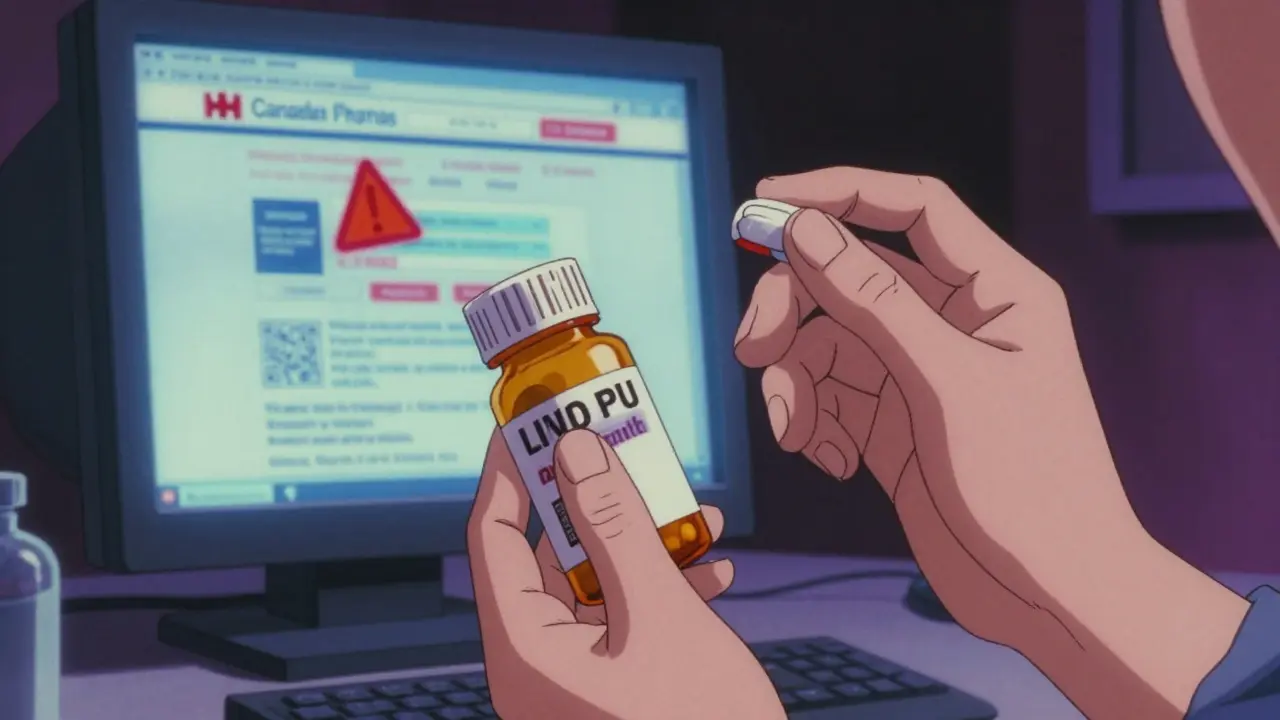
Every year, millions of people around the world take pills they think are real medicine-only to find out too late they were sold a lie. Counterfeit medications aren’t just fake labels or poor printing. They can contain no active ingredient at all, the wrong chemical, or even deadly toxins like fentanyl. In 2024, over 50 million doses of fake drugs were seized globally. That’s not a statistic-it’s real people who got sick, got worse, or died because they trusted a website, a social media ad, or a too-good-to-be-true price.
What Exactly Is a Counterfeit Medication?
A counterfeit medication isn’t just a knockoff. According to the World Health Organization, it’s a product that’s deliberately and fraudulently mislabeled about its identity, source, or composition. That means it could be missing the right drug, have too little of it, or be mixed with something dangerous-like rat poison, paint thinner, or fentanyl. Substandard drugs, on the other hand, are made poorly but not intentionally deceptive. Both are dangerous. The difference? One is criminal. The other is negligent.Counterfeiters target the most profitable drugs: cancer treatments, insulin, antibiotics, painkillers, and erectile dysfunction pills. Why? Because people are desperate. If you need insulin to live, you’ll pay anything. Criminals know that. In 2024, the Pharmaceutical Security Institute recorded 6,424 incidents involving fake drugs across 136 countries. Over 2,400 different medicines were affected.
How Do Fake Drugs Get to You?
Most counterfeit drugs don’t come from street dealers. They come from websites that look real. You search for “cheap insulin,” click a link that says “Canadian Pharmacy,” and get your pills delivered in a week. Sounds easy. But here’s the truth: 97% of online pharmacies selling prescription drugs are illegal. The U.S. Food and Drug Administration found that 85% of sites claiming to be Canadian pharmacies are actually based in other countries-often China, India, or Eastern Europe.Social media is another major channel. Instagram ads, Facebook groups, TikTok influencers promoting “miracle cures” for diabetes or high blood pressure-these aren’t harmless posts. They’re sales funnels for poison. In Nigeria, people report buying fake “cures” for HIV or malaria that give temporary relief before causing organ failure. In South Africa, police seized counterfeit drugs worth over $118,000 in just one city in August 2025.
Even the supply chain isn’t safe. Criminals steal real drugs, repack them, and sell them as new. They steal pallets from warehouses, swap labels, and ship them to pharmacies that never checked their source. The U.S. Pharmacopeia recorded 1,247 adverse events linked to suspected counterfeit drugs in 2025-87% of them happened to people who bought online.
How to Spot a Fake Drug
Counterfeiters are getting better. Some fakes now have holograms, QR codes, and even tamper-proof seals. But they still make mistakes. Here’s what to look for:- Packaging inconsistencies: Mismatched fonts, blurry logos, or spelling errors-even a missing hyphen on the label-is a red flag. Compare the box to images on the official manufacturer’s website.
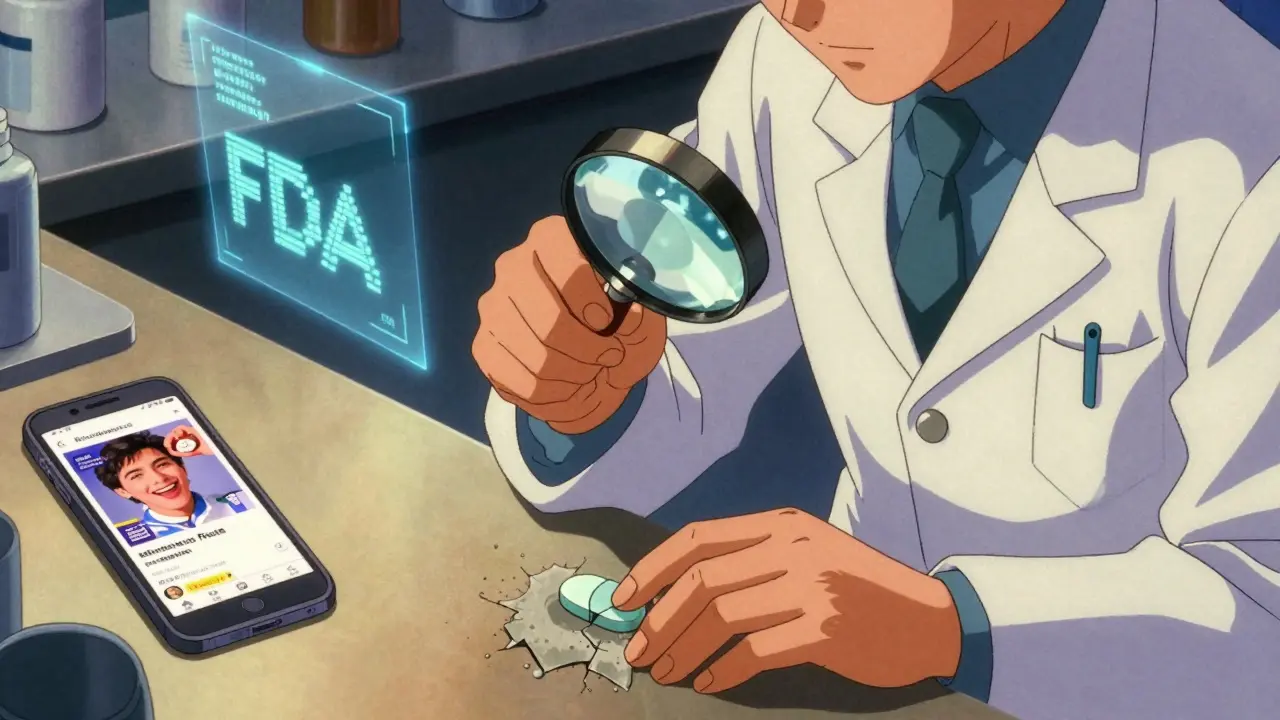
- Pill appearance: If your usual white oval pill is now a light blue capsule with a different imprint, don’t take it. The color, shape, and markings are strictly controlled by regulators.
- Smell and texture: Some fake pills have a chemical odor. Others feel gritty, crumbly, or unusually sticky. Real pills are smooth and consistent.
- Price that’s too good: If a 30-day supply of insulin costs $15 online, it’s fake. Real insulin in the U.S. costs hundreds-even with insurance.
- No prescription required: Legitimate pharmacies never sell prescription drugs without a valid prescription. If a site says “no doctor visit needed,” walk away.
One user on Reddit shared how their family member nearly died after taking counterfeit insulin. The packaging looked perfect. The only clue? The vial felt lighter. That’s how subtle these fakes have become.
Where to Buy Safely
The safest place to get your medication is always a licensed, brick-and-mortar pharmacy. But if you must buy online, follow these steps:- Check for VIPPS: In the U.S., look for the Verified Internet Pharmacy Practice Sites (VIPPS) seal from the National Association of Boards of Pharmacy (NABP). Click it. It should link to the NABP verification page.
- Verify the pharmacy’s license: Go to the NABP website and search for the pharmacy’s name. If it doesn’t appear, don’t buy.
- Confirm the physical address: Legit pharmacies have a real address and phone number you can call. If it’s just a PO box or a generic contact form, it’s a scam.
- Use the FDA’s BeSafeRx tool: The FDA has a simple tool that tells you if a site is safe. Type in the URL-it takes five seconds.
- Check the National Drug Code (NDC): Every U.S. drug has a unique NDC number. Look it up on the FDA’s database. If it doesn’t match or doesn’t exist, it’s fake.
Don’t trust websites that don’t require a prescription. Don’t trust pharmacies that don’t have a licensed pharmacist on staff. And never, ever buy from a Facebook ad or a Telegram channel.
What Happens When You Take a Fake Drug?
The consequences aren’t theoretical. In Africa, counterfeit antimalarial drugs kill over 120,000 people each year. In the U.S., 7 out of 10 fake pills seized by the DEA in 2025 contained enough fentanyl to kill an adult. One pill. That’s it.But even if you don’t overdose, you can still be harmed. If your blood pressure medication is fake, your heart could fail. If your antibiotics are diluted, you could develop a superbug. The American Journal of Tropical Medicine and Hygiene found that over half of all counterfeit drugs in the legitimate supply chain had too little active ingredient. That means your illness doesn’t get treated. It gets worse. And you spread resistance.
Counterfeit drugs are a major driver of antimicrobial resistance. The WHO says this is one of the biggest global health threats we face. When people take weak antibiotics, the bacteria survive-and evolve. Soon, common infections become untreatable.

What’s Being Done to Stop It?
Governments and companies are fighting back. In 2025, Interpol’s Operation Pangea XVI shut down 13,000 websites, arrested 769 people, and seized 50 million fake doses. The U.S. Drug Supply Chain Security Act now requires every prescription drug to have an electronic track-and-trace code by November 2025. The European Union uses unique identifiers and anti-tamper devices on every package.Technology is helping too. Portable spectroscopy devices-small, handheld tools that scan a pill’s chemical makeup-are now used by pharmacists and even some police departments. These devices can detect fake drugs in seconds. The global market for these tools is expected to hit $2.3 billion by 2030.
But criminals are adapting. They’re using encrypted apps, cryptocurrency payments, and even 3D printers to make fake packaging that looks real. The WHO warns that desktop manufacturing could make detection even harder in the coming years.
What You Can Do Right Now
You’re not powerless. Here’s your action plan:- Always buy from licensed pharmacies. If you’re unsure, call the pharmacy and ask to speak to a pharmacist.
- Check your pills before you take them. Compare them to the description on the manufacturer’s website. If something looks off, don’t take it.
- Report suspicious drugs. Use the WHO’s MedSafety app or report to your country’s health authority. In the U.S., file a report with the FDA’s MedWatch program.
- Talk to your doctor. If you suspect a fake, tell them. They can help you get a replacement and report it.
- Don’t share your meds. Never take someone else’s prescription-even if it’s the same condition. Pills can be fake, expired, or mislabeled.
There’s no app that can scan every pill. No website that guarantees safety. But knowledge is your best defense. If you’re unsure, don’t take it. Wait. Call your doctor. Go to a real pharmacy.
Why This Matters to Everyone
Counterfeit drugs don’t just hurt individuals. They hurt families, communities, and entire health systems. They drain billions from legitimate drug companies. They erode trust in medicine. And they make real diseases harder to treat.When you buy fake insulin, you’re not just risking your life-you’re contributing to a system that kills tens of thousands every year. When you ignore a bad label, you’re letting criminals win. When you report a fake, you’re helping protect someone you’ll never meet.
This isn’t about being paranoid. It’s about being smart. Medicine is life. Fake medicine is a gamble with your body. And no one should have to play that game.
How can I tell if my medication is fake if the packaging looks perfect?
Even if the packaging looks real, check the pill itself-color, shape, imprint, and texture. Compare it to the manufacturer’s official images online. If the pill feels lighter, crumbly, or smells odd, don’t take it. Use the FDA’s NDC database to verify the drug’s code. If it doesn’t match, it’s fake. Also, if you got the drug without a prescription, assume it’s counterfeit.
Are online pharmacies from Canada safe?
Most aren’t. The FDA found that 85% of websites claiming to be Canadian pharmacies are actually based elsewhere-often in countries with weak drug regulations. Even if the site says “Canadian,” it may be shipping from China or India. Only buy from pharmacies with a VIPPS seal and a real physical address you can verify.
Can counterfeit drugs cause long-term damage even if I don’t get sick right away?
Yes. If your medication has too little active ingredient, your condition won’t improve. Over time, untreated high blood pressure, diabetes, or infections can lead to heart failure, kidney damage, or blindness. Fake antibiotics can also cause antimicrobial resistance, making future infections harder to treat. The damage isn’t always immediate-but it’s real and lasting.
What should I do if I think I’ve taken a fake drug?
Stop taking it immediately. Contact your doctor or pharmacist and describe the pill and packaging. Save the container and any packaging. Report it to your country’s health authority-like the FDA’s MedWatch in the U.S. or the MHRA in the UK. If you feel unwell, seek medical help right away. Even if you feel fine, get checked. Some effects take time to show.
Is it safe to buy generic medications online?
Generic drugs are safe when bought from licensed pharmacies. But online, the same risks apply. Fake generics are common because they’re cheaper and in high demand. Always verify the pharmacy’s license, check the NDC code, and compare the pill’s appearance to the brand-name version. If the price is way lower than expected, it’s a red flag.
Are there any tools I can use at home to check if a pill is real?
There are no reliable home testing kits for consumers. Portable spectroscopy devices exist, but they’re expensive and used by professionals. Your best tools are your eyes and the official resources: the FDA’s NDC database, the NABP’s VIPPS checker, and the manufacturer’s website. If something looks off, trust your gut. Don’t take the risk.
Caitlin Foster
December 28, 2025 AT 04:28Okay, but can we talk about how TikTok influencers are literally selling death in Reels? 😳 I saw one yesterday with a guy holding up a bottle labeled "Diabetes Miracle Drops" and saying "No more needles!"-bro, that’s not a miracle, that’s a funeral waiting to happen. STOP TRUSTING INFLUENCERS WITH PILL BOTTLES.
James Bowers
December 28, 2025 AT 22:23The systemic failure here is not merely logistical-it is epistemological. The public has been conditioned to equate convenience with safety, and in doing so, has abdicated critical responsibility to corporate intermediaries and algorithmic curation. This is not a drug crisis; it is a crisis of epistemic humility.
Alex Lopez
December 29, 2025 AT 06:36Just last week, my neighbor bought "generic Viagra" off a Facebook ad for $20. Took one. Ended up in the ER with a stroke. The bottle? Looked like Pfizer. The pill? Tasted like chalk and regret. 🤦♂️ If you're buying meds online without a prescription, you're not saving money-you're gambling with your organs. And no, the "Canadian pharmacy" seal doesn't mean anything if the domain was registered in Uzbekistan.
Chris Garcia
December 30, 2025 AT 06:52In Nigeria, we call these "ghost pills"-because they vanish your health before you even know they were never real. I once watched my uncle take "antimalarial" tablets for three weeks. He didn't die from malaria. He died because the pills had no artemisinin-just ground-up plastic and sugar. The tragedy isn't the fraud. It's that we've normalized it. We've learned to live with the quiet certainty that someone, somewhere, is profiting from our suffering. And we still click "Buy Now."
Gerald Tardif
December 31, 2025 AT 12:15I’ve worked in community pharmacies for 18 years. I’ve seen the same thing over and over: a patient comes in, frantic, because their insulin vial feels lighter. They’re too scared to say it out loud-afraid they’ll be blamed. I always tell them: "It’s not your fault. It’s the system’s." You’re not paranoid. You’re observant. And that’s the only thing standing between you and a nightmare. Keep checking. Keep asking. Keep speaking up.
Will Neitzer
January 1, 2026 AT 10:51It is imperative that we recognize this issue as a public health emergency of unprecedented scale. The convergence of digital commerce, global supply chain opacity, and regulatory fragmentation has created a perfect storm wherein vulnerable populations are systematically exploited. The FDA’s MedWatch program is underutilized-yet it remains one of the most potent tools in our arsenal. Reporting a counterfeit medication is not merely an act of self-preservation; it is a civic duty. We must treat pharmaceutical integrity with the same gravity as food safety or aviation security. The cost of inaction is measured in lives, not dollars.
Janice Holmes
January 2, 2026 AT 01:48MY BEST FRIEND’S MOM TOOK A FAKE BLOOD PRESSURE PILLS FOR SIX MONTHS. SHE HAD A STROKE. SHE’S NOW PARALYZED ON ONE SIDE. THE PILLS WERE FROM A "CANADIAN PHARMACY" WITH A .XYZ DOMAIN. I’M STILL ANGRY. I’M STILL GRIEVING. I’M STILL TELLING EVERYONE. DON’T BE THE NEXT STATISTIC. DON’T BE THE NEXT STORY THEY USE TO TELL YOU HOW TO AVOID THIS. BECAUSE YOU WON’T BE THE ONLY ONE.
John Barron
January 3, 2026 AT 22:05While the emphasis on consumer vigilance is commendable, it is fundamentally misplaced. The onus should not rest on the individual to detect counterfeit pharmaceuticals via visual inspection or NDC verification-especially when the average patient lacks access to spectroscopic tools or regulatory databases. The true solution lies in mandatory blockchain-based serialization across all global supply chains, enforced by INTERPOL with real-time cross-border penalties. Until then, we are merely rearranging deck chairs on the Titanic.
Monika Naumann
January 5, 2026 AT 06:20India produces over 80% of the world’s generic medicines. To suggest that all online pharmacies sourcing from India are fraudulent is not only inaccurate-it is an insult to our pharmaceutical legacy. The real problem is Western hypocrisy: you demand cheap drugs, then blame the producers when you buy from unverified sellers. If you want safety, pay for branded. But do not shame the nations that make your medicine affordable.