
Corticosteroid Taper & Symptom Guide
Based on current clinical guidelines for prednisone equivalent.
Estimated Protocol
Select symptoms you are experiencing to identify potential causes.
Stopping steroids cold turkey is a recipe for disaster. If you have been taking corticosteroids like prednisone or prednisolone for more than a few weeks, your body has likely stopped making its own cortisol. Suddenly cutting off the medication doesn't just leave you feeling tired; it can trigger a dangerous condition known as adrenal insufficiency. The good news? You don't have to suffer through the worst of it. A carefully planned corticosteroid tapera gradual reduction in steroid dosage designed to allow the hypothalamic-pituitary-adrenal (HPA) axis to recover can minimize withdrawal symptoms and get you back to normal life safely.
This guide breaks down exactly how tapering works, why your body reacts this way, and what you can do to smooth out the process. We will look at real-world data, clinical guidelines, and practical steps to help you navigate this challenging phase of treatment.
Why Your Body Needs a Slow Exit
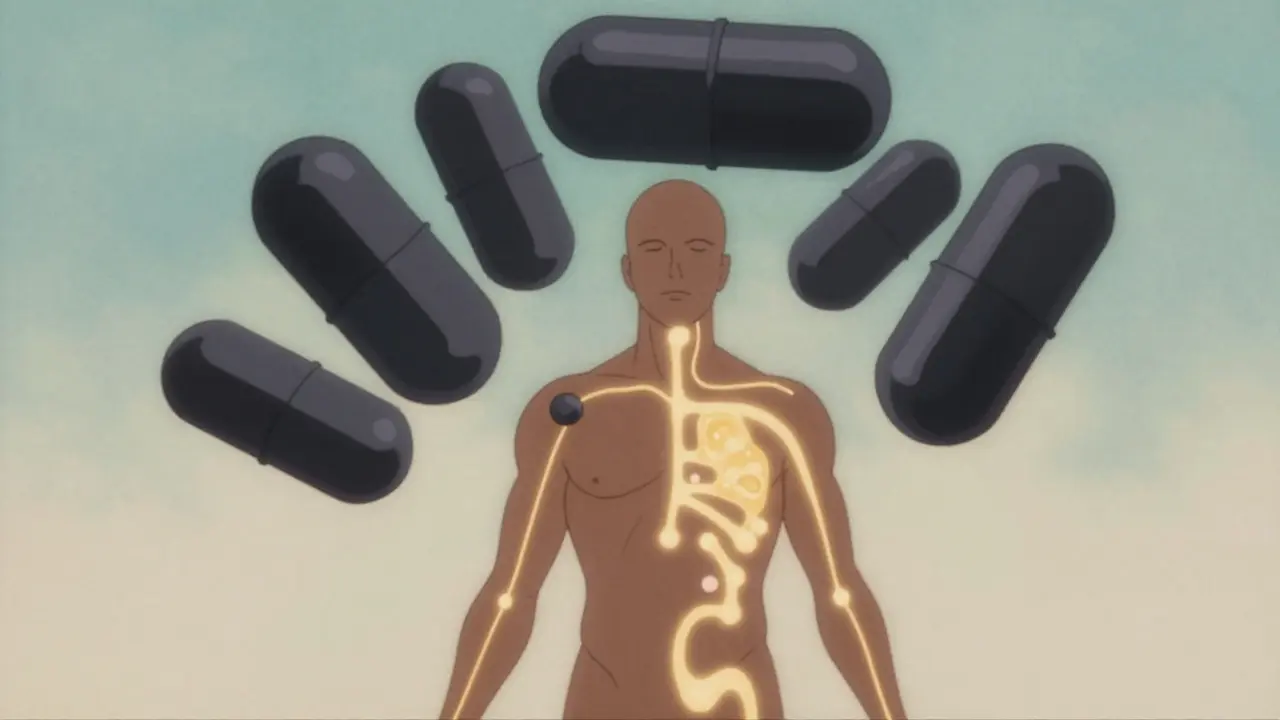
To understand why tapering is non-negotiable, we need to look at your endocrine system. When you take exogenous glucocorticoids, you are flooding your system with synthetic cortisol. This suppresses your natural production via the hypothalamic-pituitary-adrenal (HPA) axis. Think of it like turning off a light switch while someone else holds a flashlight. As long as the flashlight is on, the bulb stays dark.
The problem arises when you turn off the flashlight too quickly. According to the Australian Prescriber’s 2023 clinical guidance, HPA axis suppression occurs in patients taking doses exceeding 7.5 mg of prednisolone daily for more than two to four weeks. During this time, your adrenal glands essentially go dormant. They need time to "wake up" and start producing cortisol again. Without that gradual reduction, your body faces a sudden deficit of a hormone critical for managing stress, inflammation, blood sugar, and blood pressure.
The primary goal of a structured taper is dual-focused: preventing glucocorticoid withdrawal syndrome while minimizing the risk of a disease flare. Whether you are treating rheumatoid arthritis, inflammatory bowel disease, or systemic lupus erythematosus, the aim is to find the lowest effective dose for the shortest possible time, balancing therapeutic benefits against significant side effects like osteoporosis and diabetes.
Recognizing Withdrawal vs. Disease Flare
One of the biggest challenges during a taper is knowing what is wrong with you. Are these symptoms from stopping the drug, or is your underlying condition getting worse? Misdiagnosis happens in 34% of cases, often leading to inappropriate steroid dose increases that prolong dependence, according to Mayo Clinic endocrinologists.
Here is how to tell the difference:
- Glucocorticoid Withdrawal Syndrome: Typically presents with generalized malaise, severe fatigue, nausea, muscle and joint pain, sleep disturbances, and mood changes. Crucially, there are no specific inflammatory markers (like elevated CRP or ESR) associated with pure withdrawal.
- Disease Flare: Shows condition-specific features. For example, a patient with rheumatoid arthritis might experience synovitis (joint swelling) or increased stiffness. An IBD patient might see renewed gastrointestinal distress.
- Adrenal Insufficiency: This is the most dangerous scenario. It manifests with postural hypotension (blood pressure dropping when you stand up), hyponatremia (low sodium), and hypoglycemia (low blood sugar). These require immediate medical attention.
If you feel generally terrible but your specific disease symptoms are quiet, you are likely experiencing withdrawal. If your joints swell up or your gut acts up, your disease may be flaring. Always consult your doctor before assuming one over the other.

Building Your Tapering Protocol
There is no one-size-fits-all schedule. Protocols vary based on dosage duration and your underlying condition. However, clinical reviews provide a solid framework for what to expect.
For patients on moderate-to-high dose therapy (prednisone >20 mg daily), the initial taper can proceed relatively rapidly. WebMD’s 2023 clinical review suggests reducing by 2.5-5 mg every 3-7 days until reaching 15 mg daily. Once you hit that 15 mg mark, things slow down significantly. This is where the majority of withdrawal symptoms emerge-63% of patients report manifestations at this threshold.
As the dose approaches physiological levels (5-7.5 mg prednisone), reductions should drop to just 1 mg every 1-2 weeks. At this stage, many clinicians switch to short- or intermediate-acting glucocorticoids like hydrocortisone or prednisolone, administered in the morning to mimic the body's natural cortisol rhythm.
| Dose Range (Prednisone Equivalent) | Taper Speed | Monitoring Frequency | Risk Level |
|---|---|---|---|
| > 20 mg/day | 2.5-5 mg every 3-7 days | Weekly | Low (for withdrawal) |
| 15-20 mg/day | 2.5 mg every 1-2 weeks | Biweekly | Moderate |
| 5-15 mg/day | 1 mg every 1-2 weeks | Biweekly | High (symptom onset) |
| < 5 mg/day | 0.5-1 mg every 2-4 weeks | Monthly + Cortisol Testing | Critical (HPA Recovery) |
Recovery time correlates directly with treatment length. Patients treated for less than three weeks typically recover within 1-2 weeks. Those on therapy for over 12 months may require 6-12 months of gradual tapering. Patience is not just a virtue here; it is a medical necessity.
Managing Symptoms: Beyond Just Waiting
You cannot control how fast your HPA axis recovers, but you can manage the symptoms that come with the territory. Evidence-based strategies can make a massive difference in your quality of life during this period.
Physical Activity: It sounds counterintuitive when you feel exhausted, but structured exercise reduces musculoskeletal symptoms by 42%, according to a 2022 Rheumatology Network study. Start small. Twenty-minute daily walks or warm-water pool exercises can decrease pain scores significantly. Physical therapy interventions have been shown to lower pain on the Visual Analog Scale from 7.2 to 3.1 within four weeks.
Sleep and Nutrition: Your body is under stress. Prioritize 7-9 hours of nightly sleep. Limit caffeine to under 200 mg per day, as excess stimulants can exacerbate anxiety and sleep disturbances. Adopting a Mediterranean-style nutrition plan rich in anti-inflammatory foods can decrease symptom severity by 55%, based on Mayo Clinic patient registry data.
Mental Health Support: Withdrawal affects the mind too. Anxiety and depression are common. Cognitive behavioral therapy (CBT) reduced psychological withdrawal symptoms by 68% compared to placebo in multicenter trials. Don't ignore the emotional toll; seek counseling if you feel overwhelmed.
Be prepared for setbacks. About 22% of patients require temporary dose re-escalation during tapering. This isn't failure; it's part of the process. If symptoms become unmanageable, step back slightly, stabilize, and then try again.

Monitoring and Safety Checks
Self-monitoring is crucial during the final stages of a taper. Learn to check your orthostatic blood pressure. Sit for five minutes, take your reading, stand up, wait one minute, and take it again. A drop of more than 20 mmHg in systolic pressure indicates possible adrenal insufficiency and requires immediate medical evaluation.
Carry a steroid emergency card at all times. It should list your maximum physiological dose (equivalent to 20-30 mg hydrocortisone) for acute illness management. If you get sick, have surgery, or face significant physical stress, you may need "stress dosing" to prevent an adrenal crisis.
For patients showing symptoms at doses below 5 mg, doctors may recommend cortisol testing. The JWatch 2024 guideline recommends ACTH 1-24 (cosyntropin) stimulation testing for persistent intermediate results. Sufficiency is defined as a peak cortisol concentration >400-500 nanomol/L 30-60 minutes after administration.
The Role of Coordinated Care
Don't do this alone. The American College of Rheumatology reports that 74% of successful tapers involve coordinated care between primary physicians, endocrinologists, and condition-specific specialists. This multidisciplinary approach reduces complications by 58% compared to solo practitioner management.
Common pitfalls include premature taper acceleration (seen in 31% of cases) and inadequate stress-dose education (47%). Ensure your care team is aligned. If you see multiple specialists, make sure they are all aware of your current taper schedule to avoid conflicting advice.
Current clinical practice shows significant variation, with only 43% of primary care physicians following evidence-based protocols consistently. Gastroenterologists and rheumatologists show higher adherence rates. If you feel your taper is moving too fast or your concerns are being dismissed, seek a second opinion from an endocrinologist or a specialist familiar with complex steroid dependencies.
How long does it take to recover from corticosteroid withdrawal?
Recovery time depends heavily on how long you took the medication. If you were on steroids for less than 3 weeks, your HPA axis may recover within 1-2 weeks. For those on therapy for more than 12 months, full recovery can take 6-12 months of gradual tapering. Individual factors like age, overall health, and genetic predisposition also play a role.
Can I stop prednisone abruptly if I am on a low dose?
Even at low doses, abrupt discontinuation is risky if you have been on the drug for more than 2-4 weeks. While the risk of life-threatening adrenal crisis is lower at doses below 5-7.5 mg, you are still likely to experience significant withdrawal symptoms like fatigue, joint pain, and mood swings. A slow taper is always recommended to allow your body to adjust.
What are the signs of adrenal insufficiency?
Signs include severe fatigue, nausea, vomiting, abdominal pain, low blood pressure (especially when standing up), low blood sugar, and high potassium levels. In severe cases, it can lead to an adrenal crisis, which is a medical emergency characterized by shock and loss of consciousness. Seek immediate help if you experience these symptoms.
Does exercise help with steroid withdrawal symptoms?
Yes, structured exercise programs have been shown to reduce musculoskeletal symptoms by 42%. Low-impact activities like walking, swimming, or gentle yoga can help alleviate joint pain and improve energy levels over time. However, listen to your body and avoid overexertion, especially during the early stages of tapering.
When should I see an endocrinologist during my taper?
You should consider seeing an endocrinologist if you have been on steroids for more than 3 months, if you experience severe withdrawal symptoms despite a slow taper, or if you have difficulty distinguishing between withdrawal and disease flare. Endocrinologists specialize in hormonal regulation and can perform advanced testing like ACTH stimulation tests to assess your HPA axis function.