

Every winter, millions of people reach for combination cold and allergy medications thinking they’re getting smart, efficient relief. But what if that one pill you took to fix your runny nose, headache, and cough is actually putting you at risk? Many don’t realize that what looks like convenience can turn into danger-especially when you’re already taking other meds or have underlying health issues.
Why Combination Medications Are So Popular
Combination cold and allergy medications promise to do it all: kill congestion, stop sneezing, ease aches, and silence coughs-all in one tablet or liquid. They dominate the shelves because they’re convenient. In 2022, over 65% of all over-the-counter (OTC) cold and allergy sales in the U.S. were for these combo products. Brands like Tylenol Sinus, DayQuil, and Coricidin HBP make up a huge chunk of that market. But convenience comes at a cost.
These pills usually pack 2 to 4 active ingredients. Common ones include:
- Acetaminophen (APAP) - for pain and fever
- Pseudoephedrine or phenylephrine - to clear nasal congestion
- Dextromethorphan (DM) - to suppress cough
- Chlorpheniramine or diphenhydramine - to block allergy symptoms
Each ingredient targets a different symptom. Sounds perfect, right? But here’s the catch: these ingredients don’t just work together-they can dangerously amplify each other’s effects.
The Hidden Danger: Duplicate Ingredients
One of the biggest risks isn’t mixing different brands-it’s taking the same ingredient twice without realizing it. About 6.7 million Americans accidentally overdose on acetaminophen every year because they take a combo cold med and then reach for Tylenol for a headache. That’s more than 18,000 emergency room visits annually.
Acetaminophen is the most common hidden culprit. It shows up on labels as “acetaminophen,” “APAP,” or even “paracetamol.” A 2022 Consumer Reports survey found that 41% of people never check the full ingredient list. If you’re already taking a pain reliever or sleep aid with acetaminophen, adding a cold med can push you over the 4,000 mg daily limit. That’s all it takes to cause liver damage-sometimes without symptoms until it’s too late.
And it’s not just acetaminophen. Many people also double up on antihistamines. Taking diphenhydramine (Benadryl) for allergies and then a cold med with the same ingredient? You’ll feel drowsy, dizzy, or even confused. For older adults, this can mean falls, confusion, or urinary retention.
Decongestants: The Blood Pressure Trap
Not all decongestants are created equal. Two common ones-pseudoephedrine and phenylephrine-both claim to unclog your nose, but their safety profiles are wildly different.
Pseudoephedrine (found in Sudafed) is more effective. Studies show it reduces congestion by about 65%. But it also raises blood pressure and heart rate. If you have high blood pressure, heart disease, or an enlarged prostate, this can be risky. That’s why it’s kept behind the pharmacy counter in many places.
Phenylephrine (in Tylenol Sinus, Sudafed PE) is cheaper and easier to stock. But here’s the kicker: research from 2022 and 2023 shows it doesn’t even work well as a nasal decongestant at standard OTC doses. Eleven clinical trials found it performs no better than a placebo. Yet it’s still in over 100 products.
And when phenylephrine is combined with acetaminophen? A 2014 study in the Journal of Clinical Pharmacology found blood levels of phenylephrine jump to four times higher than when taken alone. That means your body gets a much stronger hit than expected-leading to spikes in blood pressure, dizziness, tremors, or even heart palpitations.
One Reddit user from Bristol wrote: “Took two different cold meds thinking they were different-ended up in ER with high blood pressure.” That’s not rare. Emergency rooms see these cases every week.
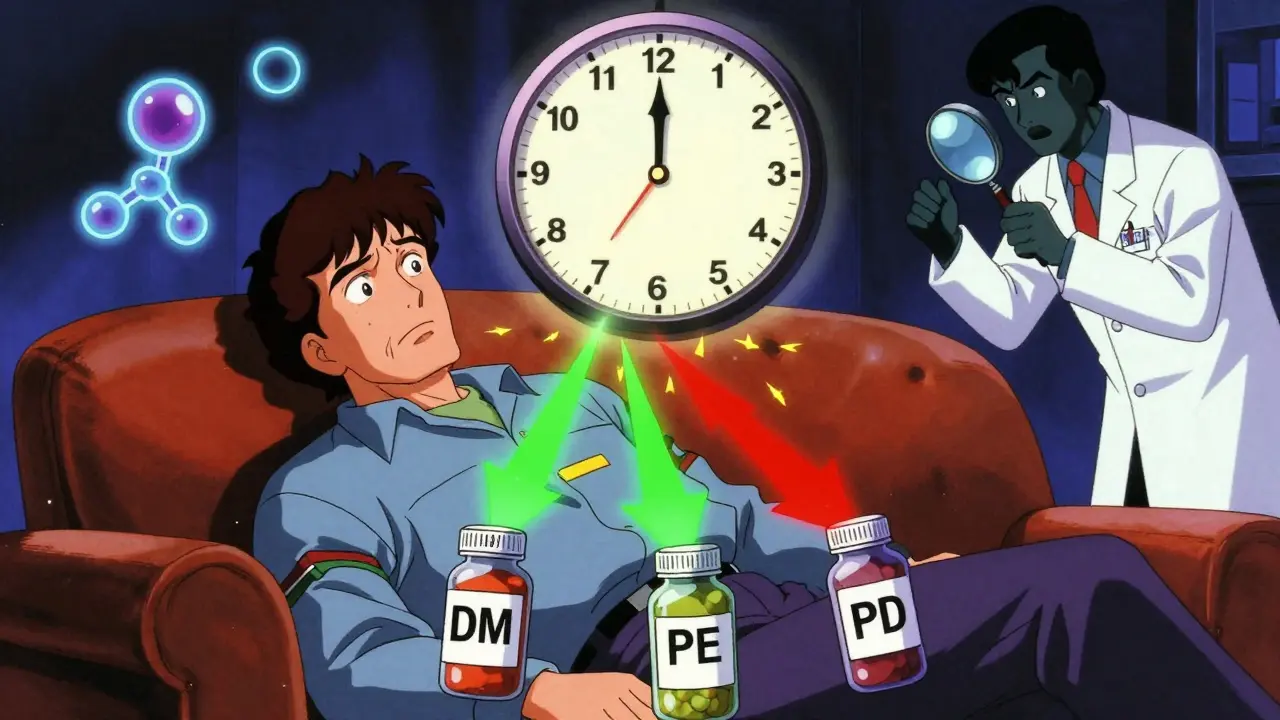
When Cold Meds Clash With Prescription Drugs
Some of the most dangerous interactions happen when OTC cold meds mix with prescription drugs. The biggest red flags:
- Dextromethorphan + SSRIs/SNRIs - This combo can trigger serotonin syndrome, a rare but life-threatening condition. Symptoms include confusion, rapid heartbeat, fever, and muscle rigidity. A 2017 study in the Journal of Clinical Psychiatry found this combination increases serotonin syndrome risk by 300%.
- Pseudoephedrine + MAOIs - MAOIs are used for depression and Parkinson’s. Mixing them with pseudoephedrine can cause dangerously high blood pressure, stroke, or heart attack.
- Phenylephrine + tricyclic antidepressants - Ohio State University research in April 2023 warned this combo can cause severe hypertension and irregular heart rhythms.
Many people don’t realize their antidepressant, blood pressure med, or even ADHD drug could be interacting with their cold remedy. A 2023 report from Desert Hope Treatment Center found 15% of OTC-related ER visits involved these kinds of drug clashes.
How to Stay Safe: 3 Simple Rules
You don’t need to avoid cold meds entirely. But you do need to be smarter about them. Here’s what works:
- Read every label-every time. Don’t just look at the brand name. Scroll down to the “Active Ingredients” section. Look for acetaminophen, dextromethorphan, phenylephrine, or any antihistamine. If you see it in more than one product, you’re doubling up.
- Use one symptom at a time. If you only have a stuffy nose, skip the combo pack. Buy a plain decongestant. If you only have a cough, get just dextromethorphan. Avoid taking a multi-symptom product unless you have multiple symptoms.
- Check with a pharmacist. Pharmacists are trained to spot interactions. Take your list of all meds-even vitamins and supplements-to the pharmacy. They’ll flag risks in seconds. Most pharmacies offer free interaction checks.
Also, learn the abbreviations:
- APAP = acetaminophen
- DM = dextromethorphan
- PE = phenylephrine
- PD = pseudoephedrine
It takes 3-5 tries for most people to recognize these patterns. Don’t guess. Look it up.
What’s Changing? The FDA’s New Rules
Regulators are finally catching up. In March 2023, the FDA announced new labeling rules for OTC cold and allergy meds, effective by December 2024. Products must now use:
- High-contrast, easy-to-read ingredient lists
- Prominent warnings about duplicate ingredients
- Bolder text for acetaminophen and decongestant risks
There’s also a major shakeup coming. The FDA’s Non-Prescription Drugs Advisory Committee is reviewing phenylephrine’s effectiveness. If they decide it’s not effective at standard doses, products containing it could be pulled from shelves. That would affect 30% of current cold meds.
Some manufacturers are already adapting. McNeil (Tylenol’s maker) has filed patents for new formulas using caffeine and guaifenesin instead of phenylephrine. But until then, you’re still stuck choosing between ineffective and risky options.

Real-World Choices: What Should You Buy?
Here’s how to pick wisely:
| Product Type | Best For | Key Risk | Alternative |
|---|---|---|---|
| Multi-symptom combo (e.g., DayQuil) | Multiple symptoms (congestion, cough, fever) | Acetaminophen overdose, dextromethorphan interactions | Use single-ingredient meds separately |
| Phenylephrine-based (e.g., Sudafed PE) | Stuffy nose (if no other options) | Unproven effectiveness, dangerous with acetaminophen | Pseudoephedrine (behind counter) if blood pressure is normal |
| Acetaminophen-only (e.g., Tylenol) | Fever, headache | Overdose if combined with other meds | Use ibuprofen instead if stomach and kidneys are healthy |
| Antihistamine-only (e.g., Claritin) | Allergies without cold symptoms | Drowsiness (if diphenhydramine) | Non-drowsy options like loratadine |
Bottom line: If you have just one symptom, buy just one medicine. If you have multiple symptoms, pick the combo-but only after checking every ingredient and confirming you’re not already taking the same thing elsewhere.
What to Do If You’ve Already Overdosed
If you think you’ve taken too much acetaminophen-especially if you took it with another cold med-don’t wait. Call Poison Control at 1-800-222-1222 (U.S.) or go to the ER. Liver damage can start without symptoms. The sooner you get treatment (like NAC, or N-acetylcysteine), the better your outcome.
For other overdoses-like dizziness, racing heart, or confusion after taking a combo med-seek help immediately. These can be signs of serious drug interactions.
Final Thought: Convenience Isn’t Always Better
Combination cold and allergy meds are everywhere. They’re marketed as time-savers, cure-alls, and smart choices. But they’re not safer-they’re riskier. They’re not more effective-they’re often less so.
Real health isn’t about taking the fewest pills. It’s about taking the right ones. Sometimes, that means buying two separate bottles. Sometimes, it means waiting a few hours between doses. Sometimes, it means skipping the combo altogether.
Your body doesn’t care about convenience. It cares about what’s in the bottle-and what you’ve already taken. Read the label. Know your meds. And don’t be afraid to ask for help.
Can I take a cold medicine if I’m on antidepressants?
It depends on the antidepressant. If you’re taking an SSRI or SNRI (like sertraline or venlafaxine), avoid cold medicines with dextromethorphan (DM). If you’re on an MAOI (like phenelzine), avoid pseudoephedrine or phenylephrine entirely. Always check with your doctor or pharmacist before combining these.
Is phenylephrine really ineffective?
Yes, according to multiple clinical trials reviewed by the FDA in 2022 and 2023. At the standard 10mg dose, phenylephrine performs no better than a placebo for nasal congestion. Yet it’s still in over 100 OTC products because it’s cheaper to produce than pseudoephedrine. The FDA is expected to make a final decision on its future in 2024.
Why do labels use APAP instead of acetaminophen?
APAP is a chemical abbreviation for acetaminophen. It’s used to save space on labels, but it confuses consumers. About 68% of people don’t recognize it. Always look for “acetaminophen” or “APAP” and count it as the same drug. Never take more than one product with APAP in a day.
What’s the safest OTC cold medicine?
There’s no single “safest” product, but the safest approach is to use single-ingredient medicines only when needed. For fever or pain, use plain acetaminophen (if no liver issues) or ibuprofen (if no stomach/kidney issues). For congestion, use pseudoephedrine (if blood pressure is normal). For cough, use plain dextromethorphan. Avoid combos unless you truly need all symptoms treated.
How do I avoid accidentally doubling up on meds?
Always read the “Active Ingredients” section on every bottle. Write down each ingredient and compare it to what you’re already taking. Use free apps like Medisafe or WebMD’s Drug Interaction Checker. When in doubt, ask a pharmacist. It takes 15-20 minutes to do this right-but it could save your liver or your life.
trudale hampton
March 21, 2026 AT 16:44Shaun Wakashige
March 22, 2026 AT 10:24Paul Cuccurullo
March 23, 2026 AT 11:27shannon kozee
March 23, 2026 AT 20:53Solomon Kindie
March 23, 2026 AT 21:51Natali Shevchenko
March 24, 2026 AT 15:53Nishan Basnet
March 25, 2026 AT 16:55Allison Priole
March 27, 2026 AT 02:58Casey Tenney
March 28, 2026 AT 22:16Bryan Woody
March 29, 2026 AT 11:15Chris Dwyer
March 30, 2026 AT 11:43Timothy Olcott
March 31, 2026 AT 03:39