
When you hear tryptophan, an essential amino acid your body uses to make serotonin and melatonin. Also known as L-tryptophan, it's found in turkey, eggs, and supplements—and it’s often marketed as a natural fix for sleep or mood. But safety isn’t guaranteed just because it’s natural. Many people take it without knowing the risks, especially when mixed with antidepressants or other supplements.
Serotonin syndrome, a dangerous condition caused by too much serotonin in the brain is the biggest real-world danger tied to tryptophan. It can happen when you take tryptophan with SSRIs, SNRIs, MAOIs, or even St. John’s wort. Symptoms? Shaking, rapid heart rate, high fever, confusion. It’s rare, but it’s life-threatening—and it’s been documented in hospital reports. The FDA pulled some tryptophan products off the market in the 1990s after a contamination linked to over 1,500 cases of eosinophilia-myalgia syndrome. While today’s supplements are cleaner, the drug interaction risk hasn’t gone away.
Dietary supplements, including tryptophan pills sold without prescription aren’t held to the same standards as drugs. That means purity, dosage accuracy, and labeling can vary wildly. One brand might give you 500 mg, another 1,000 mg—and neither has to prove it works. People with liver or kidney issues, pregnant women, or those on blood pressure meds should talk to a doctor first. Even if you’re healthy, stacking tryptophan with melatonin or 5-HTP can push serotonin levels too high.
There’s no magic dose. Most studies use 1 to 3 grams daily for sleep or mood, but that’s not a one-size-fits-all number. Too little does nothing. Too much, especially with other meds, can trigger serious reactions. And if you’ve ever felt unusually tired, dizzy, or nauseous after taking a supplement labeled "tryptophan," that’s not just coincidence—it’s your body signaling something’s off.
What you’ll find below aren’t just articles—they’re real cases, real warnings, and real science about how tryptophan plays out in the body. From how it interacts with antidepressants to why some people get headaches or digestive upset, these posts cut through the hype. You’ll see how it connects to other supplements like quercetin and thyroid meds, why timing matters, and what to avoid if you’re managing chronic conditions. This isn’t theory. It’s what people actually run into—and how to stay safe.
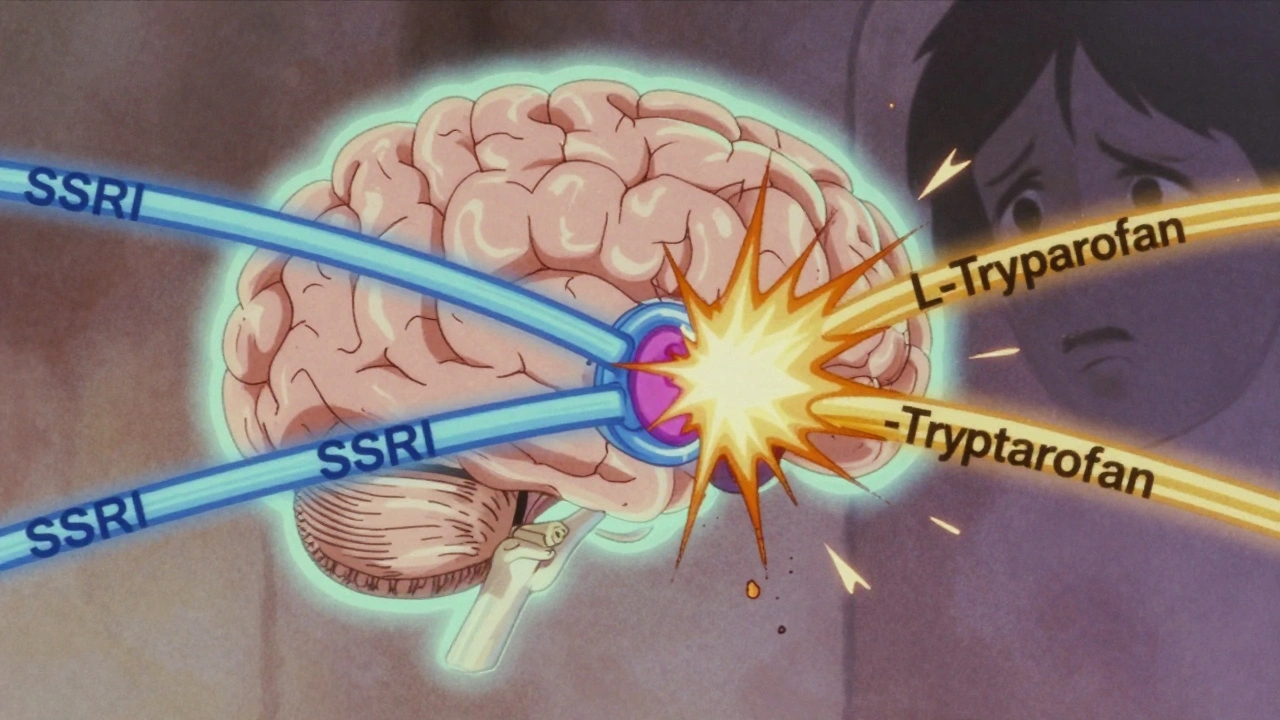
L-Tryptophan boosts serotonin, just like SSRIs. Together, they can trigger serotonin syndrome-a serious, sometimes fatal condition. Learn who’s at risk, what symptoms to watch for, and why most doctors won’t recommend this combo.