
When you plan a trip abroad, travel vaccines, injections given to prevent diseases common in other countries. Also known as immunizations for travelers, they’re not optional extras—they’re essential shields against real, dangerous illnesses. Skipping them because you’re "just going to a resort" is like skipping a seatbelt because the drive seems short. The CDC and WHO track disease outbreaks worldwide, and vaccines are your best defense against what you can’t see coming.
Malaria prevention, a strategy to avoid infection from mosquito-borne parasites in tropical regions. Also known as antimalarial pills, it’s not a vaccine—it’s daily medicine you take before, during, and after travel. Drugs like Malarone and doxycycline work differently than shots, and they’re not interchangeable. Lariam (mefloquine) used to be common, but it’s now avoided for many because of side effects like dizziness and anxiety. Your destination, trip length, and health history all matter. There’s no one-size-fits-all pill.
Meningitis vaccine, a shot that protects against deadly bacterial infections that attack the brain and spinal cord. Also known as meningococcal vaccine, it’s required for pilgrims to Mecca and strongly recommended for college students living in dorms or travelers to sub-Saharan Africa. This isn’t just about getting sick—it’s about stopping outbreaks. One person with meningitis can spread it fast in crowded places. The vaccine cuts that risk dramatically. And it’s not just one shot—some types need boosters, and timing matters. You can’t just get it the day you leave.
Then there’s yellow fever vaccine, a single shot that gives lifelong protection against a virus spread by mosquitoes in parts of Africa and South America. Also known as YF vaccine, it’s the only one that requires an official certificate to enter certain countries. No certificate? No entry. And if you’re traveling from a country where yellow fever is present, you might be turned away at the border—even if you’re just transiting. This isn’t bureaucracy; it’s global health policy. The vaccine works fast, but you need it at least 10 days before travel.
What’s missing from most people’s checklist? Typhoid, hepatitis A, rabies, and tetanus. These aren’t glamorous, but they’re real threats. Typhoid spreads through dirty food and water. Hepatitis A hides in shellfish or ice cubes. Rabies? One bite from a stray dog in Southeast Asia can be fatal without prompt treatment. And tetanus? It lives in dirt. You might have had a booster years ago, but if you’re hiking, camping, or working with soil abroad, you need to check.
Some vaccines need multiple doses over weeks. Others need to be spaced apart. Mixing them wrong can reduce their effect. And if you’re on immune-suppressing drugs, pregnant, or have allergies, your options change. That’s why you can’t just walk into a pharmacy and pick one up. You need a travel clinic—or at least a doctor who knows what’s current.
Below, you’ll find clear, no-fluff guides on the most common travel-related medications and vaccines. You’ll learn why some drugs are safer than others, how to spot fake or outdated advice, and what to ask your doctor before you book your flight. No marketing. No guesswork. Just what works—and what doesn’t—based on real patient experiences and updated medical standards.
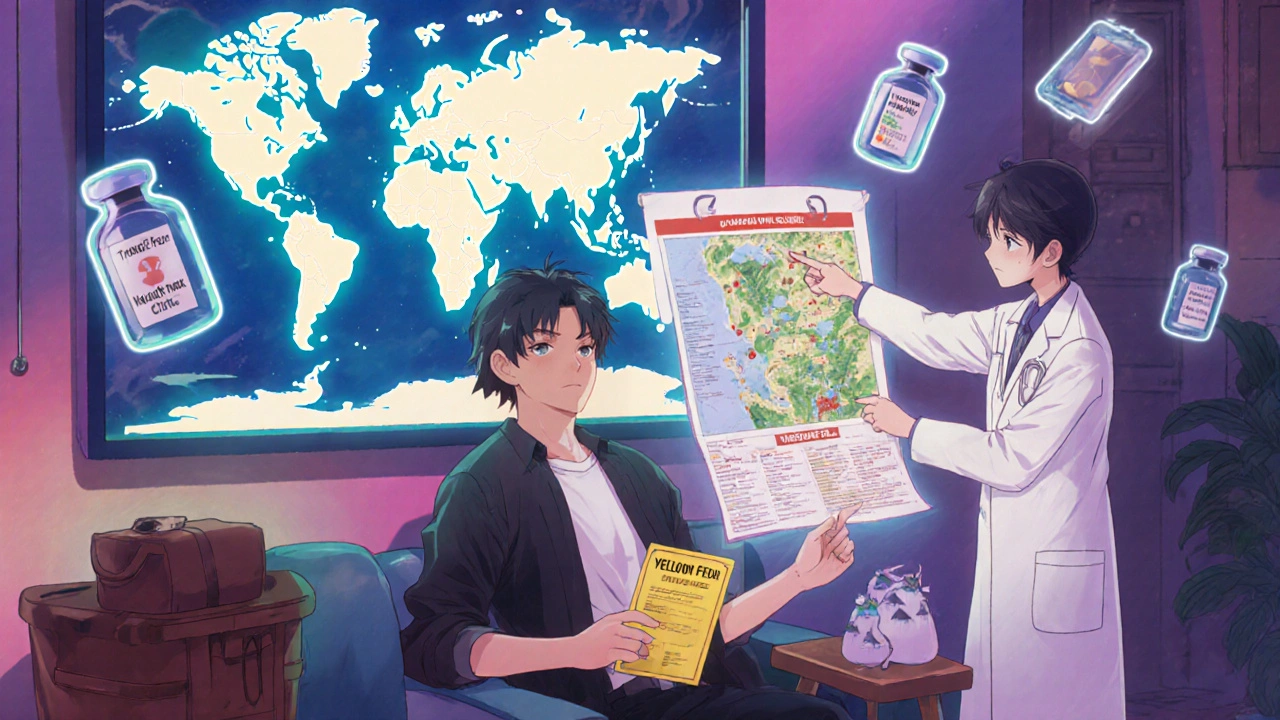
Travel health clinics provide personalized medication plans for international trips, including vaccines, malaria prevention, and emergency treatments. See how to plan ahead, what to expect, and where to go for the best care.