
When doctors prescribe SSRI treatment, a class of antidepressants that increase serotonin levels in the brain to improve mood and reduce anxiety. Also known as selective serotonin reuptake inhibitors, these drugs are among the most commonly prescribed mental health medications in the U.S. They don’t make you feel instantly happy—they help your brain regain balance over weeks, so you can start responding better to therapy, sleep better, and feel less overwhelmed by daily stress.
But SSRI treatment isn’t simple. It interacts with other substances in ways that can be dangerous. For example, combining SSRIs with L-tryptophan, a natural amino acid supplement that also boosts serotonin can trigger serotonin syndrome, a rare but life-threatening condition caused by too much serotonin in the body. Symptoms? Shaking, high fever, confusion, rapid heartbeat. It’s not theoretical—doctors see this in real patients who didn’t know their supplement was risky. And it’s not just supplements. Even common OTC painkillers, herbal remedies like Ginkgo Biloba, or alcohol can change how SSRIs work in your body.
Another big concern? How SSRIs affect older adults. As the body ages, it processes drugs differently. Side effects like dizziness, confusion, or falls become more likely. That’s why doctors often start with lower doses and move slowly. And if you’re on multiple meds—say, for thyroid issues, high blood pressure, or chronic pain—the risk of hidden interactions goes up. Calcium and iron supplements, for instance, can mess with absorption of other drugs, and while they don’t directly clash with SSRIs, they add to the complexity of your overall medication picture.
SSRI treatment works for many people, but it’s not a one-size-fits-all fix. Some feel better in weeks. Others need to try three or four different SSRIs before finding one that fits. And when it does work, it’s often paired with therapy, lifestyle changes, or support groups—not just a pill. You’ll find posts here that break down real risks, like how quercetin or alcohol can interfere, why some people get worse before they get better, and what to watch for if you’re mixing SSRIs with other meds. There’s no fluff. Just clear, practical info on what to expect, what to avoid, and how to talk to your doctor about your options.
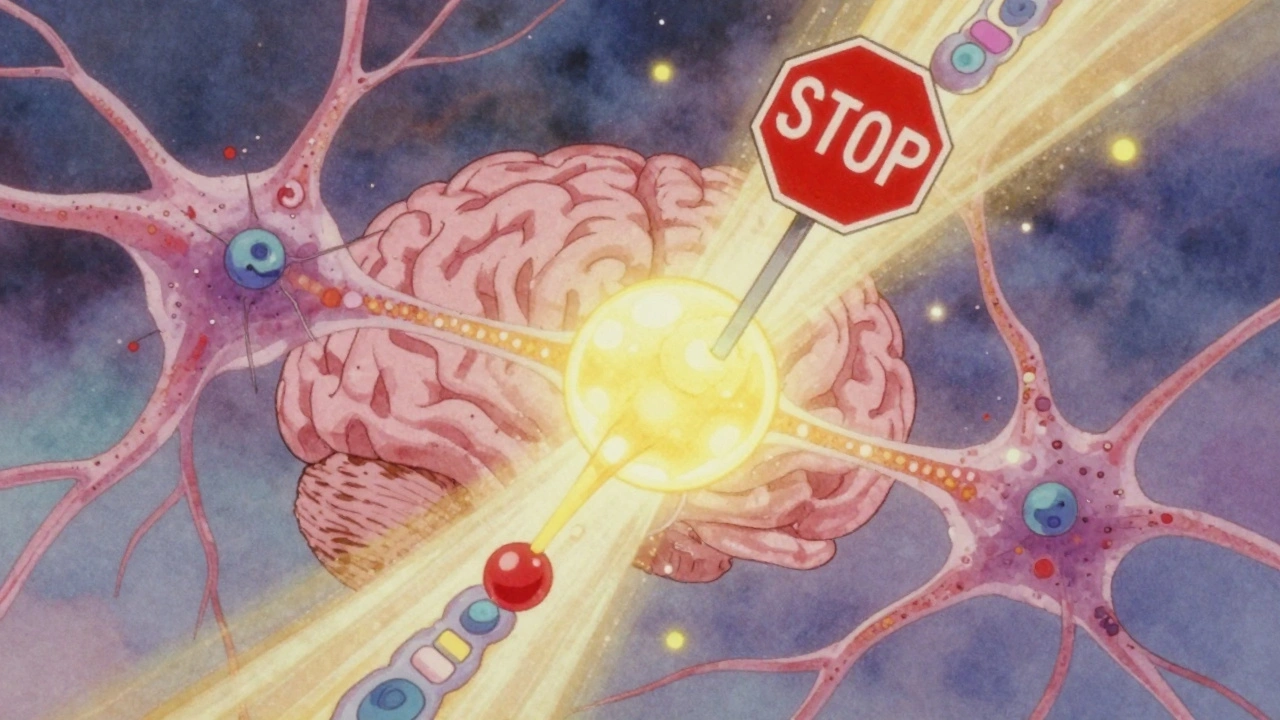
SSRIs are the most common antidepressants used today. Learn how they work, why they take weeks to help, common side effects like sexual dysfunction and brain zaps, and what to expect when starting or stopping them.