
When you hear serotonin reuptake inhibitors, a class of antidepressants that increase serotonin levels in the brain by blocking its reabsorption. Also known as SSRIs, they’re among the most prescribed medications for depression, anxiety, and OCD. But they’re not just mood boosters—they’re powerful drugs that interact with your body in ways most people don’t expect.
These drugs work by stopping neurons from reabsorbing serotonin, leaving more of it floating around between nerve cells. That’s supposed to help signals get through better, which can lift your mood. But serotonin doesn’t just hang out in your brain—it’s also in your gut, your blood, and your nervous system. That’s why side effects like nausea, sleep changes, or sexual problems are so common. And if you mix SSRIs with other serotonin-boosting substances—like L-tryptophan, St. John’s wort, or even some cold meds—you risk serotonin syndrome, a rare but life-threatening condition caused by too much serotonin in the body. Symptoms? Shaking, high fever, confusion, rapid heartbeat. It doesn’t happen often, but when it does, it’s an emergency.
SSRIs don’t work the same for everyone. Some people feel better in weeks. Others need to try three or four before finding one that fits. And even then, they’re not magic. Many users report feeling emotionally numb, or like they’re going through the motions without real joy. That’s not a side effect—it’s a signal. Your brain might be adjusting, or the dose might be wrong. That’s why doctors monitor you closely, especially in the first few months.
What you won’t always hear is how SSRIs interact with other meds you might be taking. For example, if you’re on blood thinners like warfarin, SSRIs can increase bleeding risk. If you’re taking thyroid meds, they might mess with absorption. And if you’re older, your body processes these drugs slower, raising your risk of falls, confusion, or heart rhythm issues. The posts below cover these exact risks—how Ginkgo Biloba can make SSRIs dangerous, why mixing alcohol with them is a bad idea, and how even common supplements like quercetin can interfere.
There’s also the question of long-term use. Some people take SSRIs for years without issue. Others find they can’t quit without crashing. Withdrawal symptoms—dizziness, brain zaps, irritability—are real and often misunderstood. They’re not "just in your head." They’re your nervous system readjusting. That’s why tapering slowly under a doctor’s care matters more than most people realize.
The collection below isn’t just about how SSRIs work. It’s about what happens when they meet real life: when they mix with other pills, when they’re taken by seniors, when they’re swapped for generics, or when people try to self-manage with supplements. You’ll find real stories, real risks, and real fixes—not theory, not ads, not fluff. Just what you need to know to stay safe and make smarter choices.
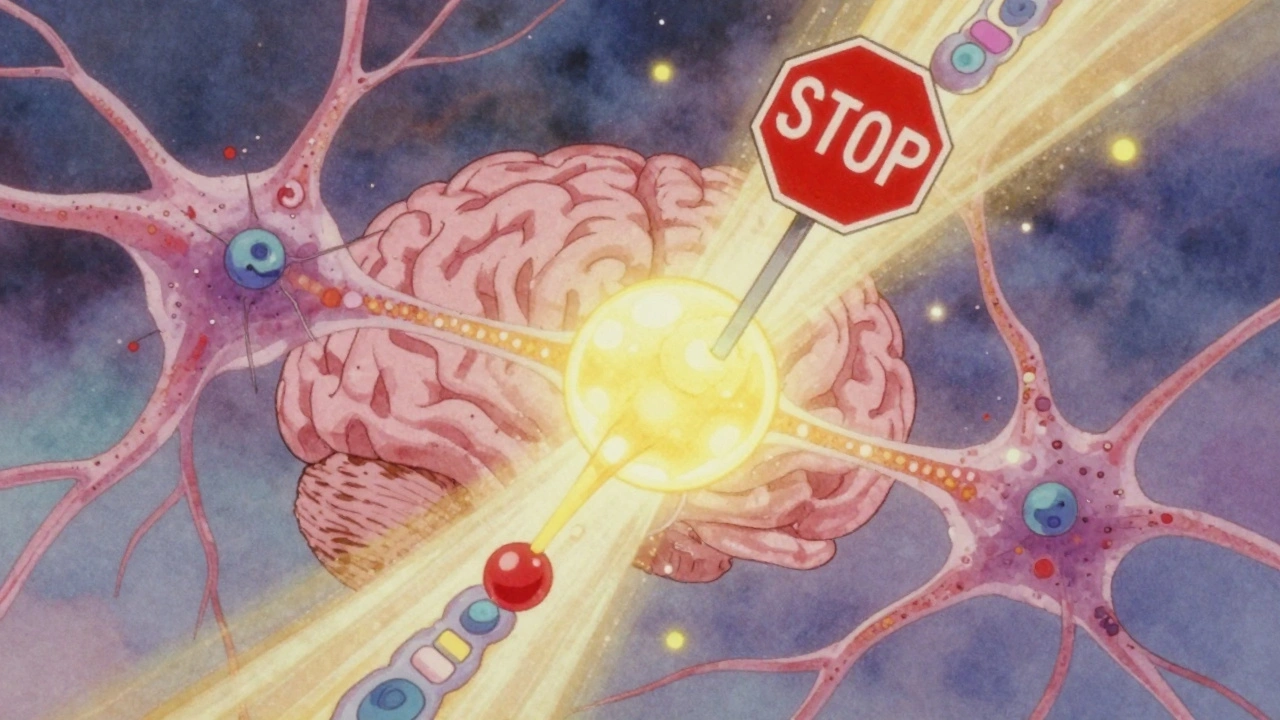
SSRIs are the most common antidepressants used today. Learn how they work, why they take weeks to help, common side effects like sexual dysfunction and brain zaps, and what to expect when starting or stopping them.