
When older adults take polypharmacy in seniors, the use of five or more medications at the same time. Also known as multiple medication use, it’s not just common—it’s often unavoidable. But what’s normal isn’t always safe. Nearly half of adults over 65 are on five or more prescriptions, and many don’t realize how much that stack of pills can hurt them.
Each extra drug adds risk. drug interactions, when two or more medications affect each other’s function. Also known as medication interactions, it’s not just about side effects—it’s about life-threatening changes in heart rhythm, bleeding, or kidney failure. A blood thinner like warfarin mixed with an NSAID? That’s a recipe for internal bleeding. A sedative added to an antipsychotic? That’s a path to falls and confusion. And deprescribing, the careful process of stopping unnecessary medications. Also known as medication review, it’s not about cutting pills—it’s about saving lives. Studies show that when doctors actively review senior prescriptions, hospital visits drop by up to 30%.
Why does this keep happening? Because one doctor prescribes for high blood pressure, another for arthritis, another for sleep—and no one steps back to see the whole picture. Seniors often see multiple specialists, each focused on one condition, not the person. The result? A pillbox that looks like a pharmacy shelf. And the cost? Not just money—it’s mobility, memory, and independence.
You don’t need to be a doctor to help. Bring a full list of every pill, vitamin, and supplement to every appointment. Ask: "Is this still needed?" "Could this be causing my dizziness?" "What happens if I stop this?" Simple questions like these can stop a dangerous cascade before it starts.
The posts below show real cases: how opioids increase fall risk in older adults, why mixing alcohol with blood thinners can send someone to the ER, and how common OTC cold meds can trigger dangerous bleeding in people on warfarin. You’ll see how even "safe" drugs like aspirin or NSAIDs can become threats when layered with other meds. You’ll also find guides on reading prescription labels, understanding abbreviations like BID and PRN, and how to talk to your pharmacist about interactions.
This isn’t about fear. It’s about control. Too many pills don’t mean better health—they mean more chances for something to go wrong. The goal isn’t to take fewer drugs for the sake of it. It’s to take only what truly helps—and stop what doesn’t.
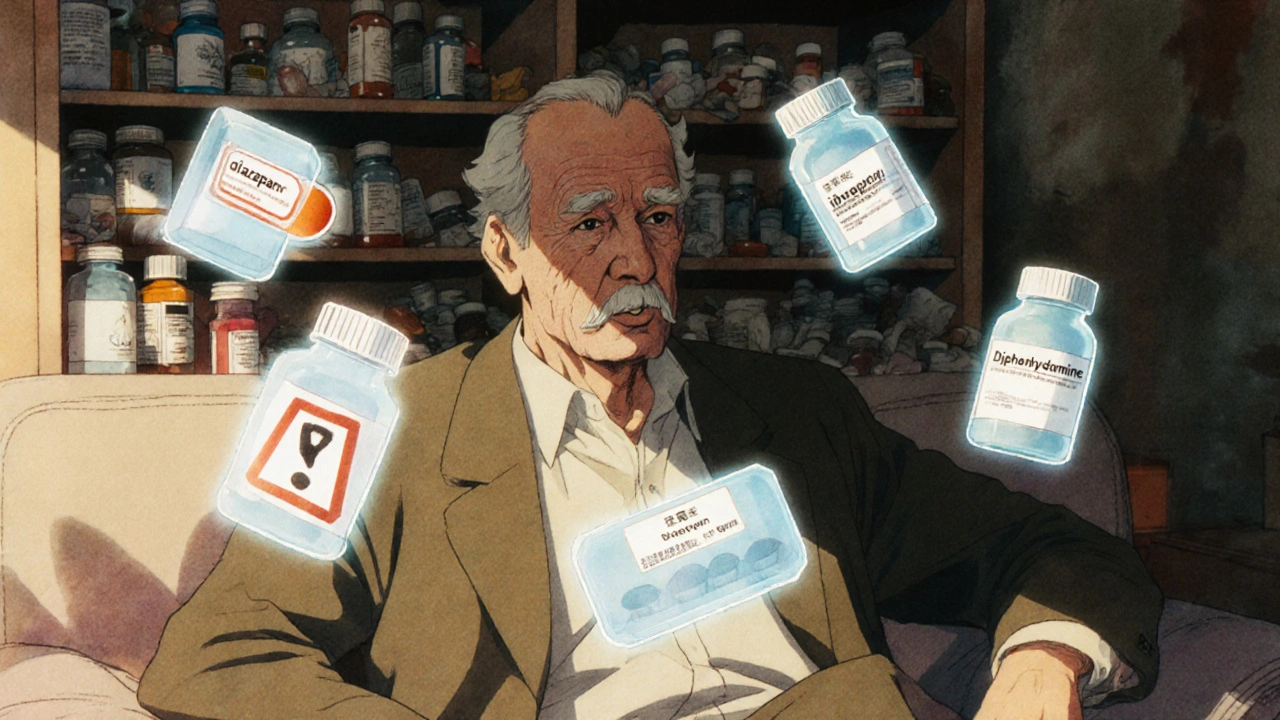
Elderly patients face higher risks from medication side effects due to age-related changes in how the body processes drugs. Learn why polypharmacy, physiological shifts, and common medications increase fall risk, confusion, and hospitalizations-and what you can do to stay safe.