
When you’re stuffed up, coughing, and feeling like you’ve been hit by a truck, OTC cold medicine, over-the-counter drugs used to relieve common cold symptoms like congestion, cough, and fever. Also known as cold remedies, these are the first line of defense for millions of people every winter. But not all of them are created equal—and some might even make you feel worse. The truth is, most colds are caused by viruses, and no pill will kill the virus. What these medicines do is mask the symptoms so you can breathe, sleep, and function a little better. That’s fine—if you know what you’re taking.
There are five main types of decongestants, drugs that shrink swollen nasal passages to relieve stuffiness. Also known as nasal decongestants, they include pseudoephedrine and phenylephrine. But here’s the catch: pseudoephedrine works better, but it’s kept behind the pharmacy counter because it can be used to make meth. Phenylephrine is easier to grab, but studies show it barely works better than a sugar pill. If you’re choosing between them, know what you’re getting. Then there are antihistamines, medications that block histamine to reduce runny noses and sneezing. Also known as allergy pills, they include diphenhydramine and chlorpheniramine. These can make you drowsy—great if you’re trying to sleep, terrible if you need to drive or focus at work. Newer ones like loratadine are less sleepy, but they’re not great for colds unless you’re also allergic. And let’s not forget pain relievers, drugs like acetaminophen and ibuprofen that reduce fever and aches. Also known as fever reducers, they’re often mixed into cold formulas. But if you’re already taking them for headaches or arthritis, you might accidentally overdose. Always check the label.
Many OTC cold medicines combine all three—decongestant, antihistamine, and pain reliever—in one pill. That sounds convenient, but it’s risky. You don’t need all of them. If you only have a stuffy nose, skip the antihistamine. If you’re not feverish, skip the acetaminophen. Taking extra drugs just means more side effects: dry mouth, dizziness, high blood pressure, or even liver damage from too much acetaminophen. The FDA has warned about this for years. And don’t assume "natural" or "herbal" means safe. Zinc lozenges? Some studies say they might shorten a cold if taken early, but others show they can mess with your sense of smell permanently. Echinacea? Probably doesn’t do much.
What you really need is a simple plan: treat your worst symptom, not every symptom. Drink water. Rest. Use a saline spray if your nose is dry. A humidifier helps more than you think. And if you’re over 65, pregnant, or on other meds, talk to a pharmacist before grabbing anything off the shelf. You wouldn’t take someone else’s prescription—don’t treat OTC cold medicine like it’s harmless.
Below, you’ll find real-world guides on how these drugs interact, what alternatives exist, and how to avoid common mistakes that land people in the ER. No marketing fluff. Just clear, practical info from people who’ve been there.
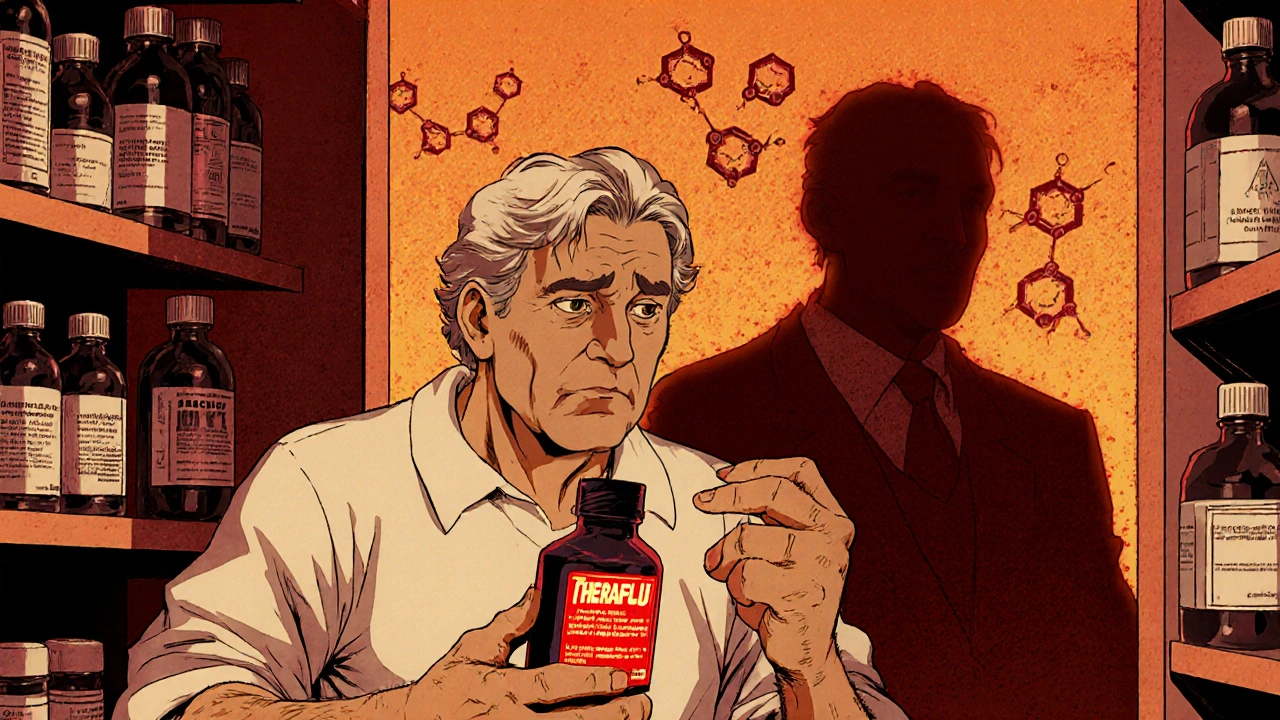
Warfarin users must avoid common OTC cold medicines like NSAIDs and high-dose acetaminophen. Learn which ingredients are safe, how to read labels, and what to do before taking anything to prevent dangerous bleeding.