
When you take a NTI drug, a medication with a narrow therapeutic index where small changes in dose can lead to toxicity or treatment failure. Also known as narrow therapeutic index drugs, these aren’t your average pills—they demand precision, close monitoring, and careful timing. Unlike most medications where a little extra or less won’t hurt, NTI drugs sit on a razor’s edge. Too little and the condition flares up; too much and you risk organ damage, dangerous bleeding, or even death.
These drugs are often used for serious conditions like seizures, heart rhythm problems, or organ rejection. Think warfarin, a blood thinner where even small changes in diet or other meds can throw off your INR levels, or lithium, a mood stabilizer where kidney function and hydration levels directly impact toxicity risk. Even common antibiotics like vancomycin, used for tough infections but requiring regular blood tests to avoid kidney or ear damage fall into this category. These aren’t just warnings on a label—they’re real, measurable risks that demand active management.
What makes NTI drugs even trickier is how easily other things interfere. Supplements like quercetin, which can block liver enzymes that break down certain drugs, or even calcium and iron pills can change how your body handles them. That’s why so many of the posts here focus on interactions—because with NTI drugs, what you take alongside matters just as much as the main drug itself. Aging, liver or kidney health, and even what you eat can shift the balance. One person’s safe dose is another’s overdose.
If you’re on one of these meds, you’re not just taking a pill—you’re managing a tightrope walk. That’s why monitoring, clear communication with your doctor, and sticking to routines are non-negotiable. Below, you’ll find real-world guides on exactly how these drugs behave, who’s most at risk, and how to avoid the most common mistakes that lead to hospital visits. No theory. No fluff. Just what works—and what doesn’t—when your medication leaves no room for error.
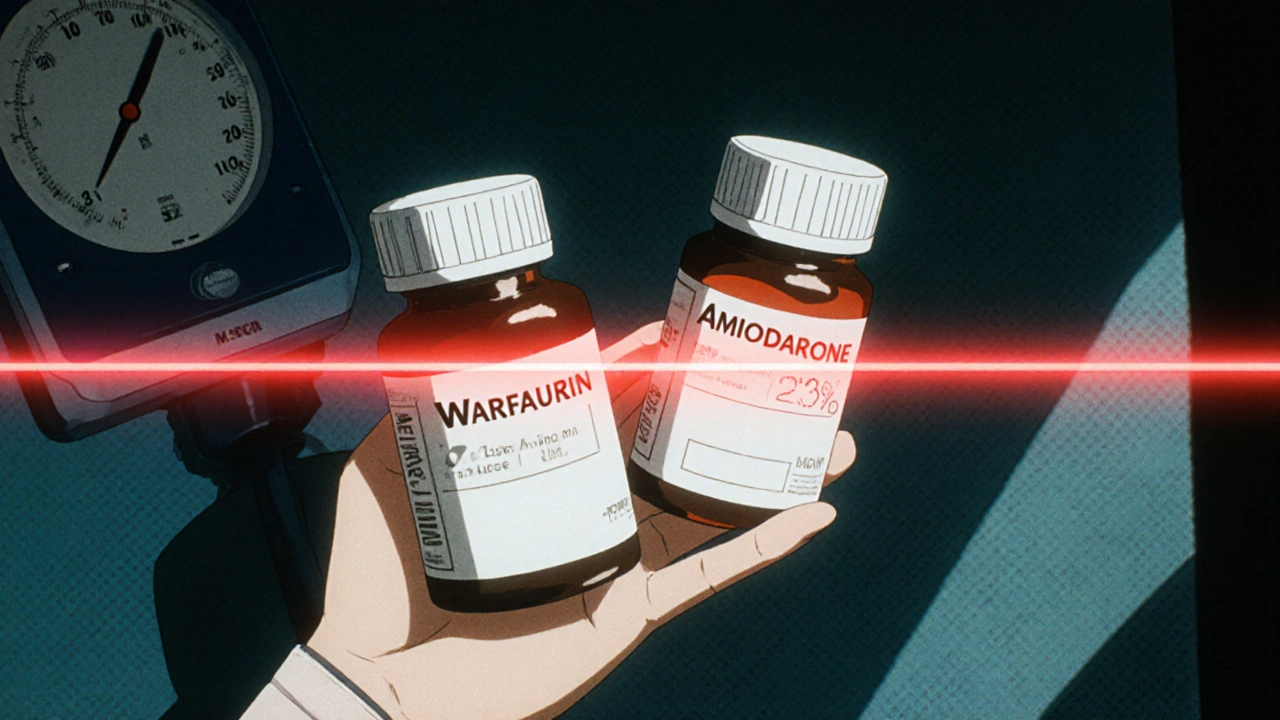
Combination NTI drugs offer powerful treatment for complex conditions but come with high risks when generics are substituted. Most have no generic versions due to strict bioequivalence challenges, leaving patients vulnerable to dangerous fluctuations in drug levels.