
When you take NSAIDs, nonsteroidal anti-inflammatory drugs used for pain and inflammation, including ibuprofen, naproxen, and diclofenac. Also known as anti-inflammatories, they help with arthritis, headaches, and muscle pain—but they can seriously interfere with warfarin, a blood thinner prescribed to prevent dangerous clots, often used for atrial fibrillation, deep vein thrombosis, or after heart valve surgery. Also known as Coumadin, it works by slowing down your body’s clotting process.
Here’s the problem: NSAIDs irritate your stomach lining and reduce platelet function. Warfarin already makes you bleed more easily. Together, they stack the risk. Studies show people on both drugs have up to a 3x higher chance of gastrointestinal bleeding. Even a small dose of ibuprofen taken regularly can spike your INR, the number doctors use to track how thin your blood is. If your INR goes too high, you could bleed internally without warning—no cut, no bruise, just sudden weakness, dark stools, or vomiting blood. This isn’t rare. It’s one of the most common and dangerous drug combos seen in emergency rooms.
Not all NSAIDs are equally risky. Diclofenac and naproxen carry the highest interaction risk. Aspirin, even at low doses for heart protection, adds another layer of danger. But acetaminophen (Tylenol) is usually safe as a pain reliever when you’re on warfarin. Still, even Tylenol can affect your liver if you take too much, and your liver is already working hard to process warfarin. The key isn’t just avoiding NSAIDs—it’s knowing what to use instead, how to monitor yourself, and when to call your doctor. If you’re on warfarin and start taking an over-the-counter pain pill, your INR could swing in days. That’s why regular blood tests aren’t optional—they’re life-saving.
You might think, "I only take one pill a week for my knee." But warfarin doesn’t care about frequency—it cares about buildup. Even occasional NSAID use can throw off your balance. And if you’re older, have kidney issues, or drink alcohol, your risk jumps even higher. That’s why so many of the posts here focus on real-world interactions: alcohol and warfarin, NSAID dosing, how to read labels, and what alternatives actually work. This isn’t theoretical. It’s what people are dealing with every day.
Below, you’ll find clear, no-fluff guides on exactly how these drugs behave in your body, what to watch for, and what safer options exist. No jargon. No guesswork. Just facts you can use to talk to your doctor, spot warning signs, and keep yourself out of the hospital.
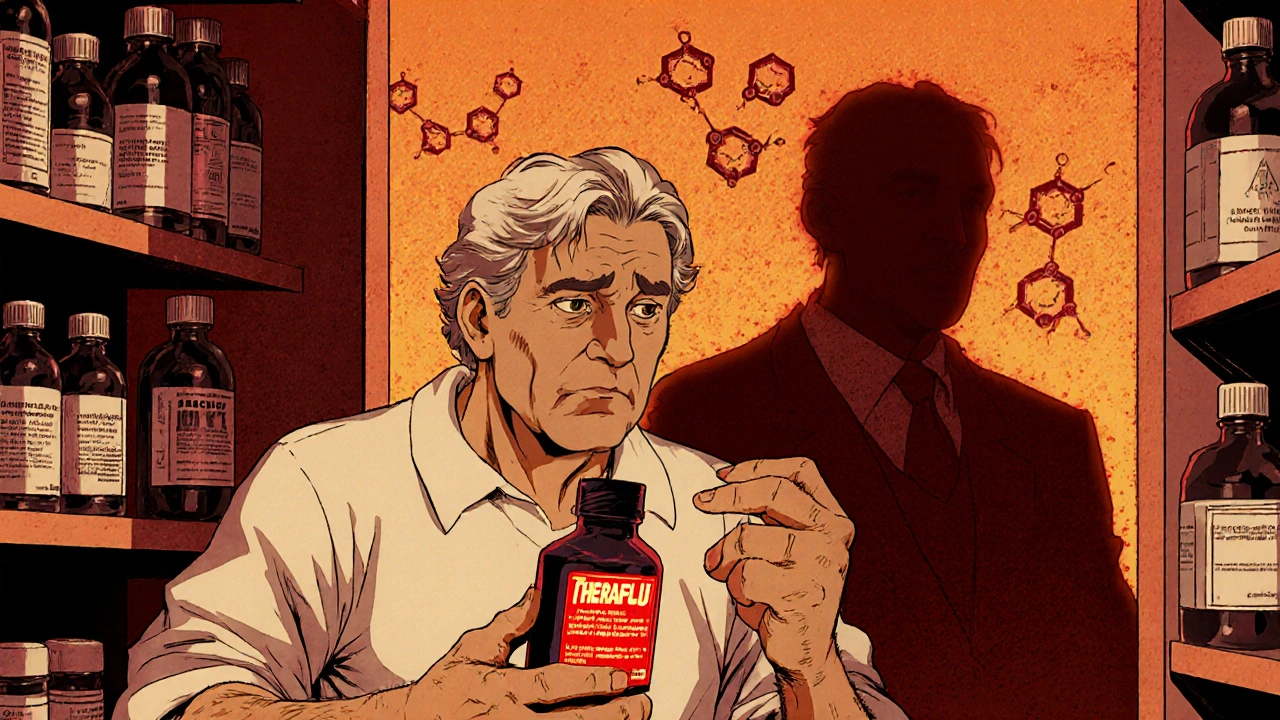
Warfarin users must avoid common OTC cold medicines like NSAIDs and high-dose acetaminophen. Learn which ingredients are safe, how to read labels, and what to do before taking anything to prevent dangerous bleeding.