
When you swallow a pill, you expect it to do what it’s supposed to—no more, no less. But sometimes, something goes wrong long before it reaches your hand. A manufacturing defect, a mistake during the production of a drug that alters its safety, strength, or purity can mean the difference between relief and harm. These aren’t rare glitches—they happen in factories worldwide, and they don’t always show up on labels. Even generic drugs, which are supposed to match brand-name versions exactly, can carry hidden flaws if quality control slips.
Manufacturing defects aren’t the same as side effects. Side effects come from how your body reacts to the active ingredient. Defects come from how the pill was made. Maybe the wrong amount of active drug got mixed in. Maybe a batch was contaminated with metal shavings, mold, or even another medication. Or maybe the coating broke down too fast, releasing the whole dose at once. These problems show up in recalls, patient reports, and FDA alerts. And they’re more common than you think with complex drugs like NTI drugs, narrow therapeutic index medications where tiny changes in dosage can cause serious harm—like blood thinners or seizure meds. A 5% variation in potency might be fine for an antacid, but for warfarin or levothyroxine, it’s dangerous. That’s why authorized generics, drugs made by the brand company under a different label, often have tighter quality control than other generics. They come from the same factory, same equipment, same process—just without the brand name.
What makes this worse is that most people never know they’ve taken a defective pill. No warning label. No obvious change in how it looks or tastes. You might just feel off—more tired, dizzy, or worse than usual—and blame your condition instead of your medicine. That’s why tracking your meds matters. If your usual pill suddenly doesn’t work like it used to, or if you notice new side effects, it’s worth checking. The FDA’s recall database isn’t hard to search. And if you’re on a critical drug, ask your pharmacist: Is this batch flagged? You’re not being paranoid. You’re being smart. Below, you’ll find real stories and science-backed guides on how manufacturing flaws impact everything from thyroid control to heart rhythms. These aren’t theoretical risks. They’re lived experiences—and solutions.

Corrective actions in manufacturing go beyond quick fixes - they find the root cause of quality problems and prevent them from returning. Learn how companies use CAPA systems, root cause analysis, and verification to cut defects, reduce costs, and stay compliant.
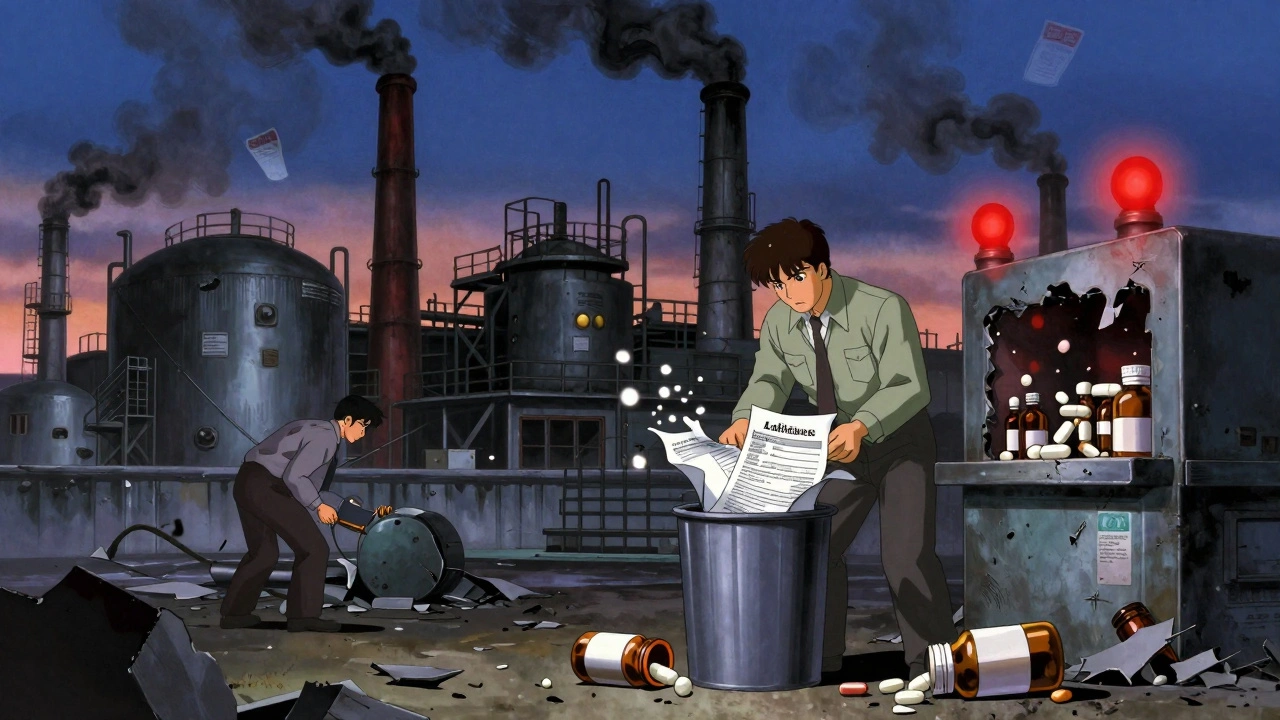
Generic drug quality issues stem from manufacturing flaws in overseas plants, leading to unsafe or ineffective medications. Learn how cGMP violations, poor oversight, and profit pressures put patient safety at risk - and what’s being done to fix it.