
When you take herbal interactions, the unintended effects that happen when herbal supplements react with prescription or over-the-counter drugs. Also known as herbal-drug interactions, they’re not rare guesswork—they’re documented, measurable, and sometimes life-threatening. People think herbal remedies are safe because they’re "natural," but that’s a dangerous myth. Just like pills, herbs have active compounds that can change how your body processes medications—sometimes making them stronger, weaker, or toxic.
Take quercetin, a common flavonoid supplement used for allergies and inflammation. It blocks liver enzymes that break down drugs like blood thinners, statins, and even some antidepressants. That means your meds build up in your system, raising your risk of side effects. Or consider L-tryptophan, an amino acid sold as a sleep or mood aid. It boosts serotonin, just like SSRIs. Mix them, and you could trigger serotonin syndrome—fever, confusion, rapid heartbeat, even seizures. These aren’t theoretical risks. They’re in the medical literature, and they’re happening to real people.
Herbal interactions don’t just happen with antidepressants or blood thinners. They show up with thyroid meds, transplant drugs, painkillers, and even antibiotics. calcium and iron supplements, often taken for bone or anemia support, can block levothyroxine absorption. That’s not a myth—it’s a 36% drop in drug uptake, leading to untreated hypothyroidism. And it’s not just about what you take—it’s about timing, dose, and your body’s unique chemistry. Older adults, transplant patients, and people on multiple meds are at highest risk, but anyone using herbs alongside prescriptions is playing with fire.
You won’t find these warnings on supplement labels. Pharmacists aren’t always trained to ask about herbal use. And your doctor might not know your daily tea or capsule routine. That’s why you need to speak up—before you take anything new. The posts below cover real cases: how quercetin messes with CYP enzymes, why L-tryptophan and SSRIs are a deadly combo, how calcium ruins thyroid treatment, and what to do when your supplement quietly undermines your prescription. These aren’t abstract warnings. They’re survival guides for people who take herbs seriously—and meds that keep them alive.
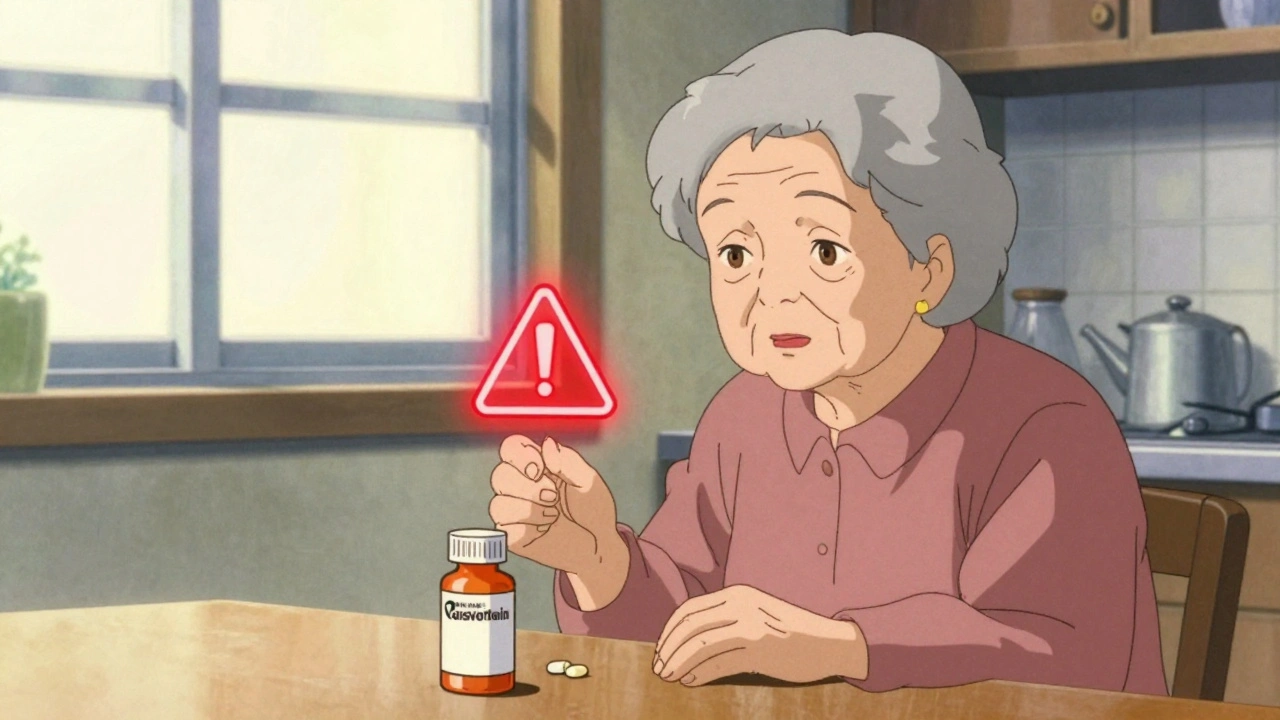
Ginkgo Biloba may increase bleeding risk when taken with blood thinners like warfarin, aspirin, or clopidogrel. Learn what the evidence says, which interactions are dangerous, and what steps to take to stay safe.