
When you take Ginkgo Biloba, a herbal supplement derived from the leaves of the Ginkgo tree, traditionally used in Chinese medicine to support memory and blood flow. Also known as ginkgo, it’s one of the most widely used herbal products in the U.S. for brain health—but it’s not harmless. Many people pop it thinking it’s just a natural boost, but it acts like a drug in your body. It affects blood thickness, brain chemistry, and how your liver processes other medications.
That’s why blood thinners, like warfarin or aspirin, used to prevent clots and strokes can become dangerous when mixed with Ginkgo. Studies show it can increase bleeding risk by stopping platelets from clumping—exactly what these drugs are trying to do. One wrong combo could mean a nosebleed that won’t stop, or worse. And if you’re on SSRI antidepressants, medications that raise serotonin levels to treat depression and anxiety, Ginkgo might push serotonin too high. That’s not just a headache—it’s serotonin syndrome, a life-threatening spike in brain chemicals.
It’s not just about pills. Ginkgo also messes with how your body handles calcium and iron supplements, commonly taken for bones or anemia. If you’re on thyroid meds like levothyroxine, Ginkgo can interfere with absorption, making your treatment less effective. Even if you don’t take anything else, Ginkgo isn’t a magic brain pill. The science on memory improvement is mixed, and most people don’t notice any real difference after months of use. But the risks? They’re real, especially if you’re older, on multiple meds, or planning surgery.
What you’ll find here isn’t just a list of claims. These are real stories and hard data from people who’ve taken Ginkgo, doctors who’ve seen the side effects, and studies that tested it against placebos. You’ll see how it connects to cognitive decline screening tools, why it shows up in drug interaction alerts, and how it fits into the bigger picture of herbal supplements that act like unregulated pharmaceuticals. No fluff. No hype. Just what you need to know before the next pill goes in your mouth.
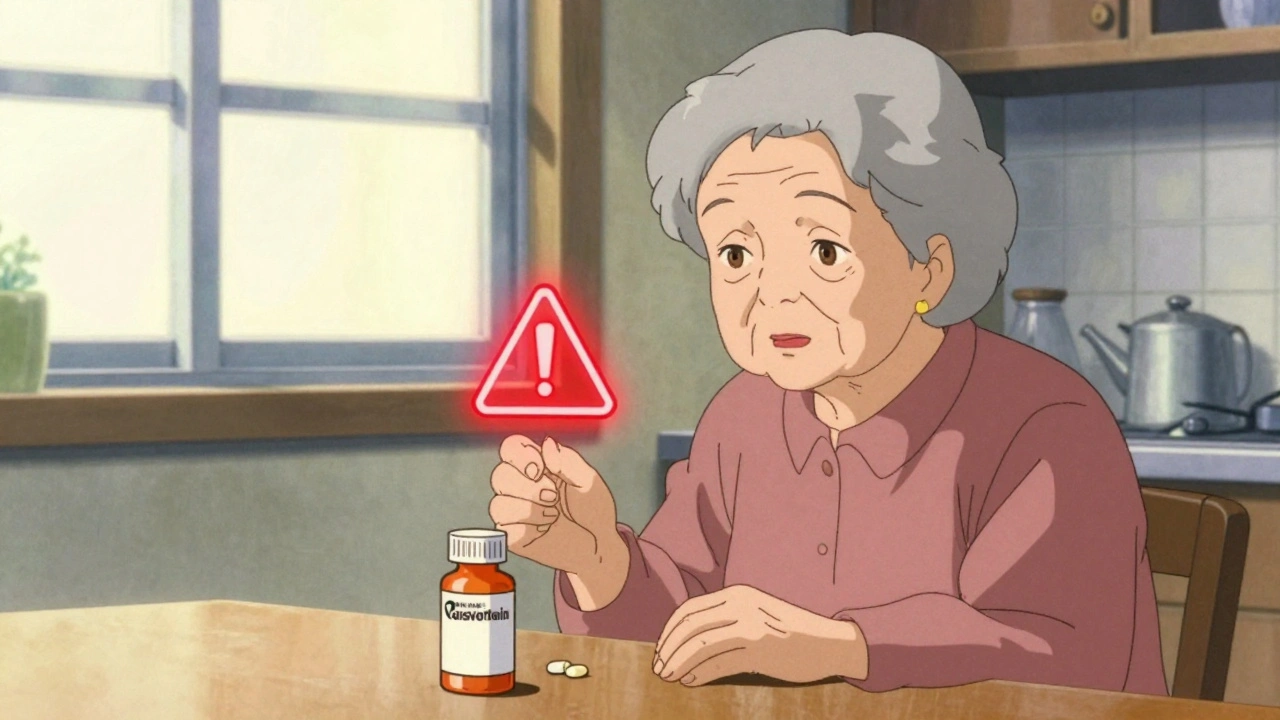
Ginkgo Biloba may increase bleeding risk when taken with blood thinners like warfarin, aspirin, or clopidogrel. Learn what the evidence says, which interactions are dangerous, and what steps to take to stay safe.