
When older adults take multiple medications, the risk of elderly medication side effects, harmful reactions to drugs that are more common and severe in older populations due to changes in metabolism, kidney function, and brain sensitivity. Also known as adverse drug reactions in seniors, these side effects can look like normal aging—fatigue, confusion, dizziness—but they’re often preventable. The body changes as we age. Liver and kidneys don’t process drugs the same way they did at 30. That means even a standard dose of a common pill can build up in the system and cause problems.
This isn’t just about one drug. It’s about polypharmacy in elderly, the use of five or more medications at once, which dramatically increases the chance of dangerous interactions and side effects. A senior might be on blood pressure pills, a painkiller, a sleep aid, a stomach reducer, and a cholesterol drug—all prescribed by different doctors. No one is looking at the whole picture. That’s when things go wrong. For example, mixing a blood thinner like warfarin with an OTC cold medicine can cause internal bleeding. Taking opioids for pain can lead to falls or delirium. Even something as simple as alcohol can throw off INR levels and make blood thinners dangerous.
Many side effects are mistaken for dementia or just getting older. Memory lapses? Could be a sedative. Falling often? Maybe it’s the diuretic or the anti-anxiety pill. Loss of appetite? Could be a new antidepressant. The medication safety for seniors, the practice of choosing, dosing, and monitoring drugs in older adults to minimize harm and maximize benefit. isn’t just about picking the right drug—it’s about knowing when to stop one. Deprescribing isn’t failure. It’s smart medicine. Studies show that cutting just one unnecessary pill can reduce hospital visits by 20% in seniors.
You don’t need to be a doctor to help. Keep a written list of every pill, vitamin, and supplement your loved one takes—including doses and times. Bring it to every appointment. Ask: "Is this still needed?" "Could it be causing these symptoms?" "Is there a safer alternative?" Simple questions like these save lives. And you don’t have to wait for a crisis. Many side effects start slowly. A little confusion here, a stumble there—these aren’t normal. They’re red flags.
Below, you’ll find real, practical guides on the most common drugs that cause trouble in older adults—from opioids and blood thinners to antibiotics and painkillers. Each post breaks down what to watch for, what to avoid, and what to ask your doctor. No fluff. No jargon. Just what you need to keep someone you care about safe.
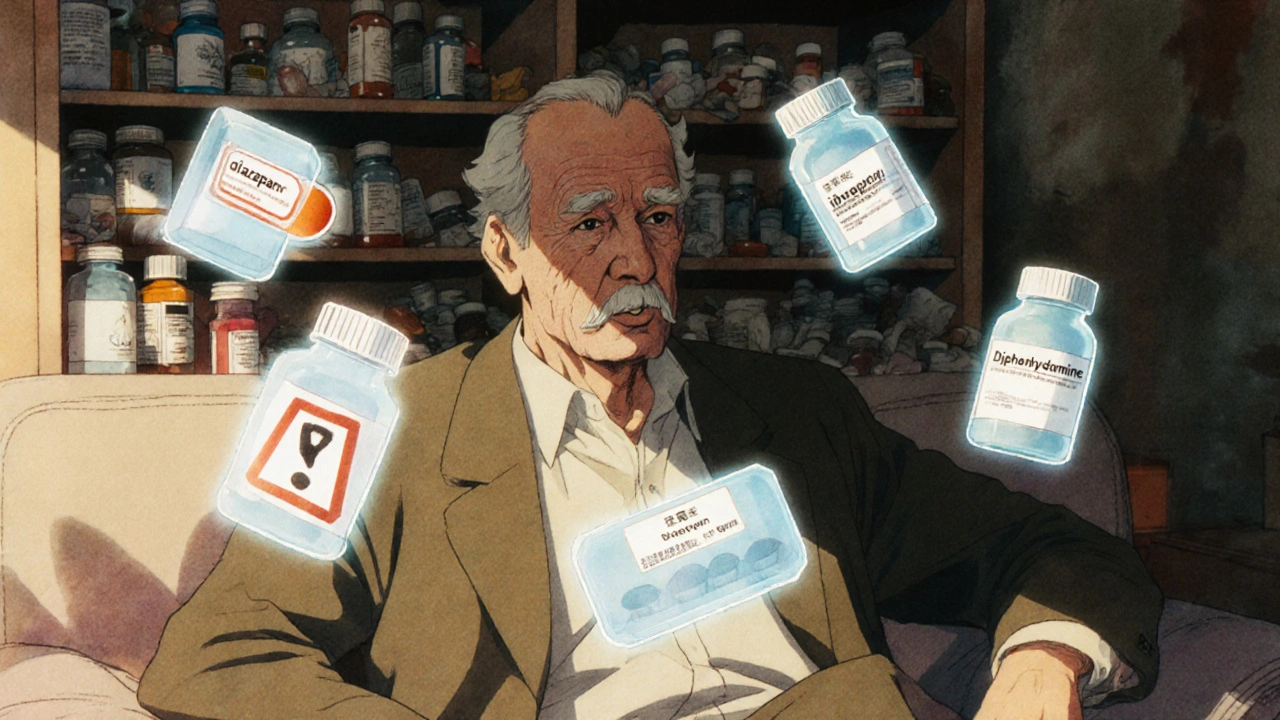
Elderly patients face higher risks from medication side effects due to age-related changes in how the body processes drugs. Learn why polypharmacy, physiological shifts, and common medications increase fall risk, confusion, and hospitalizations-and what you can do to stay safe.