
When we talk about drug safety, the practice of using medications in a way that minimizes harm while maximizing benefit. Also known as medication safety, it’s not just about avoiding overdoses—it’s about understanding how your body changes with time, how drugs talk to each other, and why what works for someone else might hurt you. Many people think if a pill is FDA-approved, it’s automatically safe. But approval doesn’t mean zero risk. It means the benefits outweigh the known dangers—for most people, under controlled conditions. What happens when you take five pills a day? When you’re over 65? When you mix a supplement with your blood thinner? That’s where drug safety gets real.
Cumulative drug toxicity, the slow buildup of harmful effects from long-term medication use is one of the quietest dangers in modern medicine. Drugs like gabapentin, statins, or even daily acetaminophen can quietly damage your liver, kidneys, or nerves over months or years. You won’t feel it until something breaks. Then there’s medication interactions, when one drug changes how another works in your body. Quercetin supplements can jack up blood thinner levels. Calcium pills can make your thyroid medicine useless. Even alcohol, something most people think is harmless with meds, can flip your INR numbers or make you dizzy enough to fall. And don’t forget elderly medication side effects, how aging changes how drugs are absorbed, processed, and cleared from the body. Seniors aren’t just more sensitive—they’re more likely to be on five or more drugs at once, and that’s where things go wrong fast.
Drug safety also isn’t just about what’s in the bottle. It’s about what’s on the label. Generic drug substitution, when pharmacies swap brand-name drugs for cheaper versions seems smart—until it’s a narrow therapeutic index (NTI) drug like warfarin or levothyroxine. Even tiny differences in absorption can cause dangerous drops or spikes. That’s why some combo drugs don’t have generics at all. And it’s why patient stories in support groups matter—people sharing how a switch made them foggy, tired, or sick. That’s not anecdotal. That’s data.
You don’t need to be a pharmacist to stay safe. You just need to know what questions to ask. Is this pill adding up over time? Could it be talking to something else I take? Does my age change how it works? What happens if I skip a dose—or take an extra one? The posts below cut through the noise. They show you exactly how gabapentin and pregabalin differ, why L-tryptophan can crash your serotonin system, how calcium ruins thyroid meds, and why mixing alcohol with blood thinners isn’t a myth. This isn’t theory. These are real risks real people face every day. And the fixes? They’re simple. You just need to know where to look.
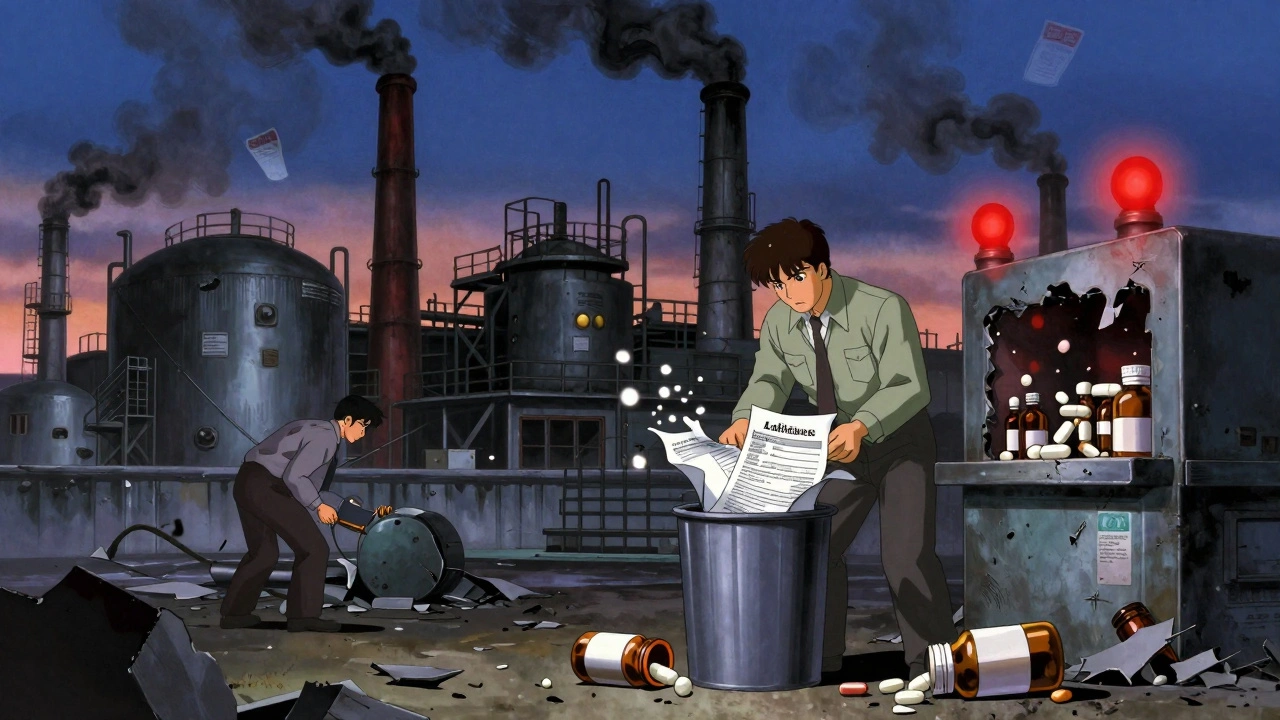
Generic drug quality issues stem from manufacturing flaws in overseas plants, leading to unsafe or ineffective medications. Learn how cGMP violations, poor oversight, and profit pressures put patient safety at risk - and what’s being done to fix it.