
When your body holds onto a drug longer than it should, that’s drug accumulation, the process where a medication builds up in your system because it’s not being broken down or removed quickly enough. Also known as medication buildup, it’s not rare—it’s behind many unexpected side effects, especially in older adults or people taking multiple pills. This isn’t just about taking too much—it’s about how your body handles what you take.
Liver metabolism, how your liver breaks down drugs using enzymes like CYP3A4 and CYP2D6, plays a huge role. If those enzymes slow down—because of age, disease, or another drug—you get buildup. That’s why drug interactions, when one medication blocks how another is processed can be dangerous. Quercetin, for example, can shut down liver enzymes and cause blood levels of common drugs to spike. Same with tacrolimus in transplant patients: even normal blood readings don’t always mean safety if accumulation is happening in brain tissue. And it’s not just prescription drugs—Ginkgo Biloba and L-tryptophan can pile up too, especially when mixed with SSRIs or blood thinners.
Drug half-life, how long it takes for half the dose to leave your body tells you how fast or slow buildup might occur. Gabapentin and pregabalin? Their half-lives are long, so skipping doses or taking too much can lead to drowsiness or dizziness that builds over days. Calcium and iron supplements? They don’t accumulate themselves, but they stop your thyroid meds from being absorbed—so your body keeps trying to compensate, making the problem worse. Even alcohol, though not a drug you take daily for a condition, can mess with warfarin’s half-life and cause dangerous INR swings.
It’s not just about the pills—it’s about your body’s ability to keep up. As you age, your kidneys and liver don’t work as well. That’s why elderly patients are at higher risk for side effects from drugs like opioids, benzodiazepines, or even common painkillers. Polypharmacy isn’t just taking a lot of meds—it’s letting them pile up in ways your body can’t handle. And if you’re on a combination NTI drug—where tiny changes in level can cause failure or toxicity—generic substitutions become risky because even small differences in absorption can trigger accumulation.
What you’ll find below isn’t just a list of articles. It’s a practical guide to spotting when drug accumulation is happening—whether it’s brain zaps from SSRIs, tremors from tacrolimus, bleeding from warfarin-alcohol mix, or confusion from old-school pain meds. These aren’t rare edge cases. They’re everyday problems hiding in plain sight. You don’t need to be a doctor to understand the signs. You just need to know what to look for.
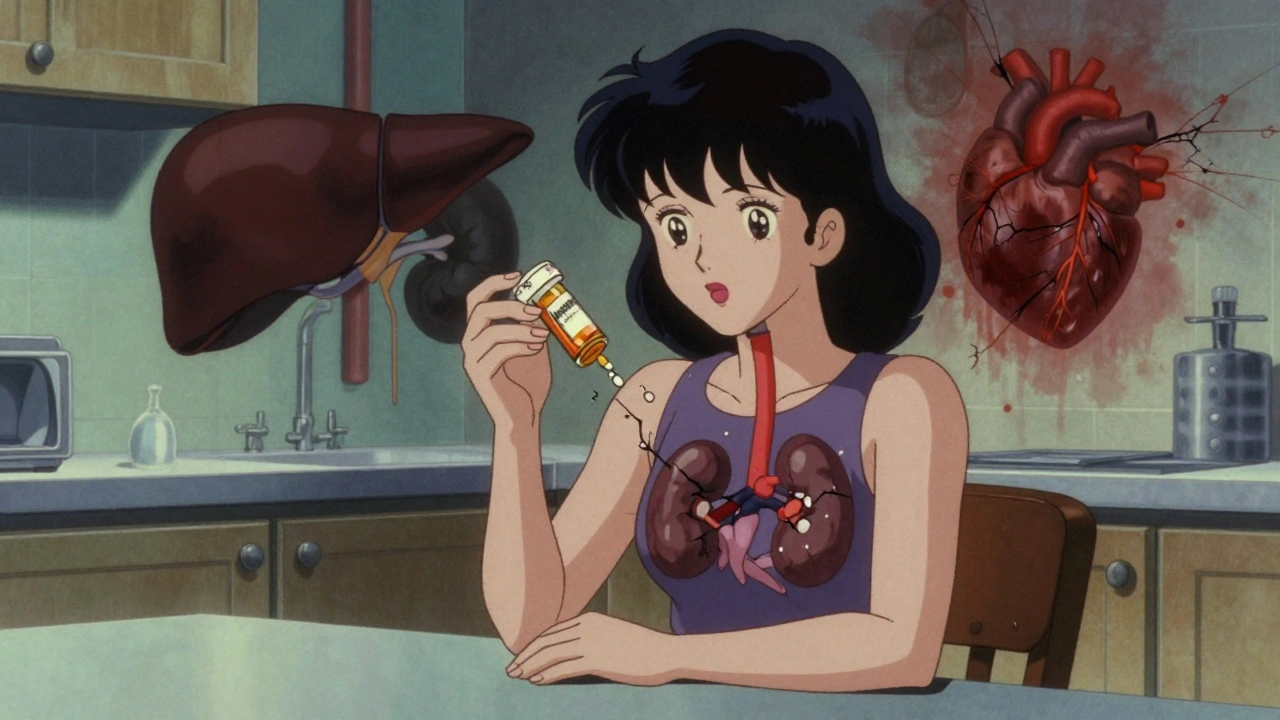
Cumulative drug toxicity occurs when medications build up in your body over time, causing side effects that appear only after months or years. Learn which drugs are most risky and how to protect yourself.