
When you take a drug day after day, your body doesn’t always clear it completely. Over time, small amounts stick around, pile up, and start damaging your organs—this is cumulative drug toxicity, the gradual buildup of drug effects that leads to tissue damage, organ stress, or life-threatening reactions. It’s not always obvious. You might feel fine for months, then suddenly get dizzy, confused, or have a bad reaction—not because you took too much at once, but because your system got overloaded slowly, quietly, and often without warning.
This isn’t just about high doses. Even standard prescriptions can cause trouble when they interact. For example, quercetin, a popular supplement that blocks liver enzymes responsible for breaking down drugs, can cause blood levels of common medications to spike dangerously. The same goes for tacrolimus, an immunosuppressant used after transplants that builds up in the brain and causes tremors, headaches, and confusion—even when blood tests look normal. And it’s not just prescription drugs. Ginkgo Biloba, a herbal supplement often taken for memory, can thin your blood so much over time that it turns a minor cut into a serious bleed, especially if you’re also on warfarin. These aren’t rare cases. They’re common outcomes of taking multiple meds without understanding how they work together.
The real danger comes from polypharmacy—taking five, ten, or more drugs at once. Your liver and kidneys get overwhelmed. Aging makes it worse. As you get older, your body processes drugs slower. What was a safe dose at 40 becomes risky at 70. That’s why seniors are hospitalized more often from drug side effects than from falls or infections. And it’s not just about quantity. Some drugs, like SSRIs or gabapentin, don’t just cause side effects—they change how your brain and nerves respond over time. Brain zaps, nerve pain, confusion, and memory loss can creep in slowly, making you think it’s just aging, when it’s actually drug buildup.
What you need to know: toxicity doesn’t always show up on a lab report. Blood levels might look fine, but damage is still happening. That’s why it’s not enough to just check your numbers—you have to track how you feel. Are you more tired than usual? Dizzy after standing? Confused after taking a new pill? These aren’t normal. They’re red flags. And they’re exactly the kind of signs the posts below dig into—real cases where people didn’t realize their meds were slowly poisoning them, until it was too late. You’ll find stories about how alcohol worsens warfarin toxicity, how calcium pills sabotage thyroid meds, how even a single herbal supplement can trigger serotonin syndrome when mixed with antidepressants. These aren’t hypotheticals. They’re lived experiences. And they’re preventable—if you know what to look for.
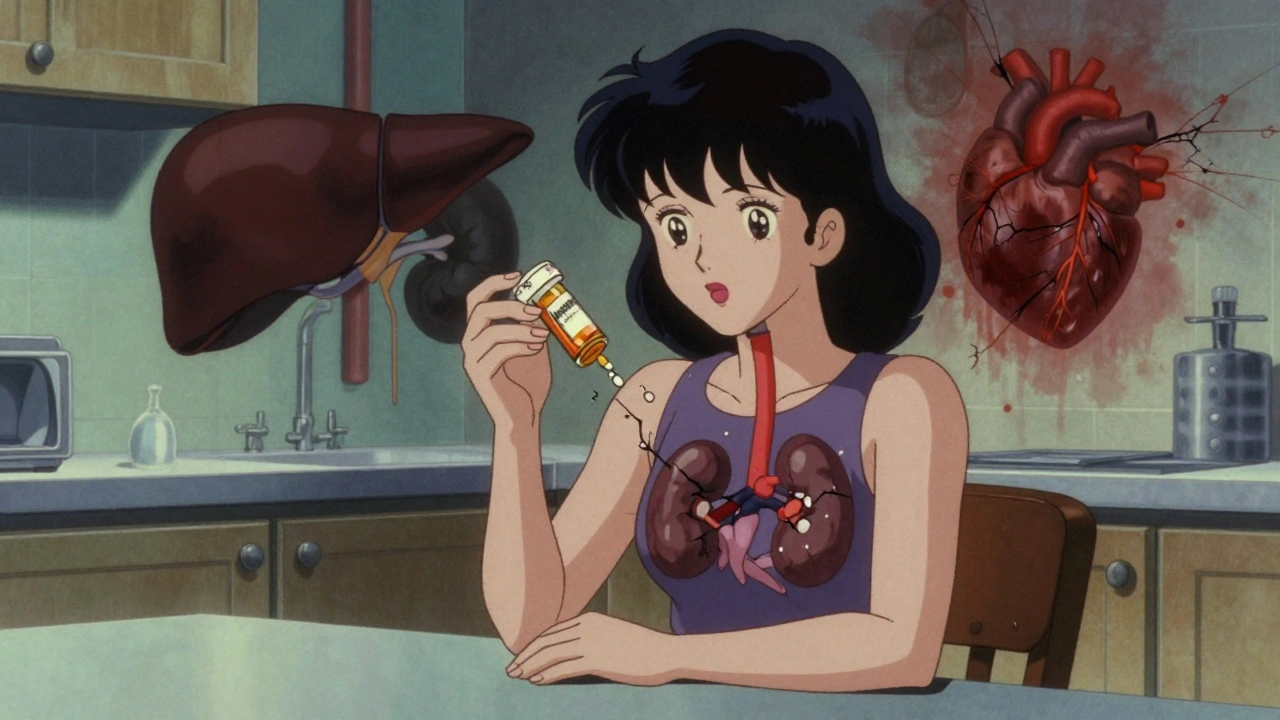
Cumulative drug toxicity occurs when medications build up in your body over time, causing side effects that appear only after months or years. Learn which drugs are most risky and how to protect yourself.