
When you take a pill, you assume it’s safe, effective, and made the right way. But cGMP violations, current Good Manufacturing Practices enforced by the FDA to ensure drug quality and safety. Also known as current Good Manufacturing Practices, these are the rules that keep pills consistent, clean, and reliable. When companies break these rules, it’s not just a paperwork problem—it’s a health risk. A single cGMP violation can mean your medication has the wrong dose, contaminated ingredients, or no active drug at all.
These violations aren’t rare. They show up in FDA inspection reports across the globe—from small contract labs to big-name manufacturers. Common issues include dirty equipment, untrained staff, falsified records, and mixing batches without proper testing. One plant in India was shut down after finding rat droppings in a drug storage area. Another in the U.S. was caught retesting failed samples until they passed. These aren’t outliers. They’re symptoms of a system under pressure to cut costs and rush production.
And it’s not just about brand-name drugs. generic drugs, lower-cost versions of brand-name medications that must meet the same FDA standards. Also known as generic medication, they make up over 90% of prescriptions in the U.S. But if the factory making your generic lisinopril skips a step in cleaning or skips stability testing, you’re getting the same pill—but with unknown risks. That’s why cGMP violations directly affect you. A drug that doesn’t dissolve properly? Your blood pressure won’t drop. A batch with too much active ingredient? You could overdose. And because most people don’t know where their pills come from, they never connect the dots.
The FDA doesn’t inspect every facility every year. Many plants get inspected only once every 2–4 years. That gap lets bad practices slip through. Meanwhile, online pharmacies and international suppliers often skip FDA oversight entirely. You might buy a pill labeled as metformin, but if it came from a factory with cGMP violations, it could be chalk, sugar, or worse.
That’s why you need to know what to look for. If your generic suddenly stops working, or you notice a weird taste, color, or texture—don’t ignore it. Report it. Check the FDA’s warning letters. And remember: a cheaper price doesn’t always mean better value if the manufacturing isn’t trustworthy.
Below, you’ll find real cases and explanations that connect cGMP violations to the medications you use every day—from the painkillers in your cabinet to the thyroid pills you take daily. You’ll see how poor manufacturing ties into drug interactions, side effects, and why some generics work better than others. This isn’t about fear. It’s about awareness. And knowing what to ask for can keep you safe.
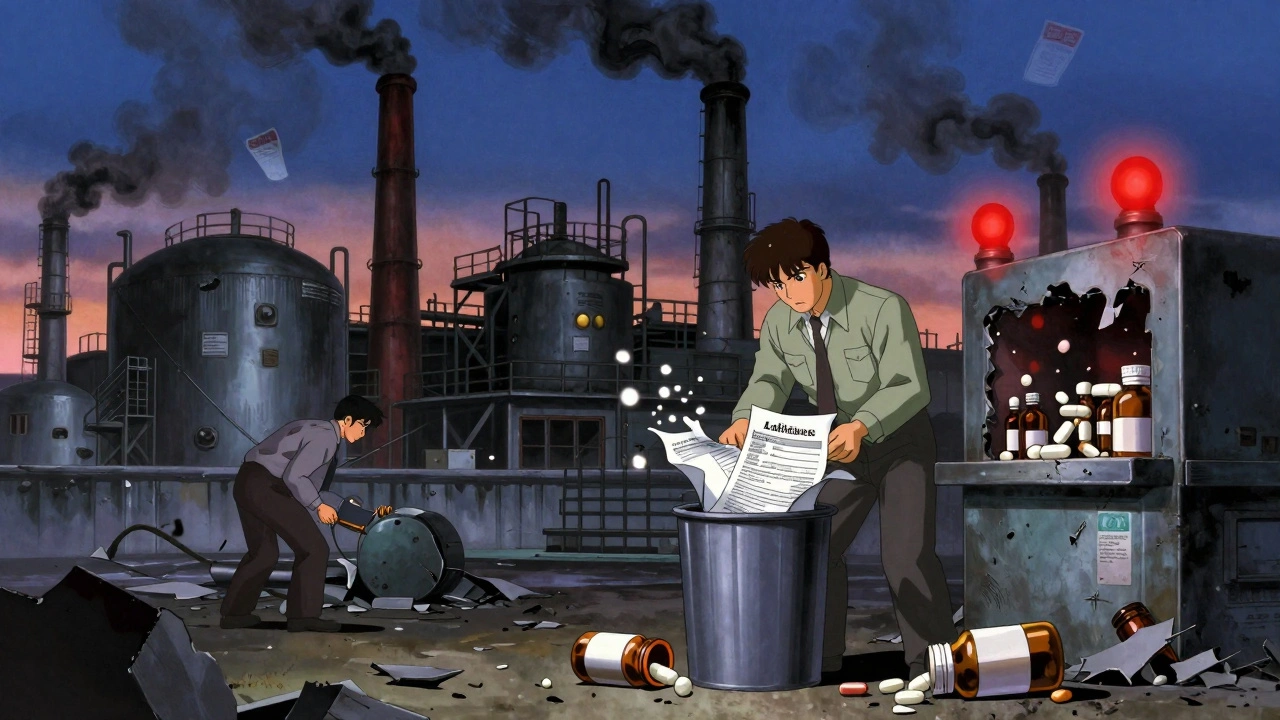
Generic drug quality issues stem from manufacturing flaws in overseas plants, leading to unsafe or ineffective medications. Learn how cGMP violations, poor oversight, and profit pressures put patient safety at risk - and what’s being done to fix it.