
When you take a blood thinner, a medication that reduces your blood’s ability to clot. Also known as anticoagulant, it’s often prescribed to prevent strokes, clots, or heart attacks. But these drugs don’t work in a vacuum — they react with other substances in ways that can be dangerous if you don’t know what to watch for.
One of the biggest risks comes from alcohol, a common substance that can throw off your INR levels. For people on warfarin, even one drink can make your blood too thin or too thick, increasing bleeding risk or clotting danger. It’s not just about quantity — timing matters too. A glass of wine with dinner might be fine one day, but combined with a new antibiotic or painkiller, it could turn risky. Then there’s INR levels, a lab test that measures how long it takes your blood to clot. This number is your early warning system. If it jumps too high, you’re at risk of internal bleeding. Too low, and you could get a clot. Regular checks aren’t optional — they’re life-saving.
Blood thinner interactions don’t stop at alcohol. Common painkillers like ibuprofen or aspirin can irritate your stomach lining and increase bleeding chances. Some antibiotics, like those in the macrolide family, can interfere with how your body breaks down warfarin. Even something as simple as a vitamin K-rich salad — think kale or spinach — can lower your drug’s effect if you eat way more than usual. It’s not about avoiding these things entirely, but about consistency. Your doctor doesn’t want you to stop eating greens — they want you to eat about the same amount every week. Same with alcohol. Same with supplements. Small, steady changes keep your INR stable.
And it’s not just about what you take — it’s about what you don’t tell your doctor. Many people don’t mention herbal teas, fish oil, or over-the-counter cold meds because they think it’s "not medicine." But those can all shift how your blood thinner works. If you’re on a blood thinner, your pharmacy should flag every new prescription or OTC buy. But you’re the one who knows your whole routine — so speak up. Keep a simple list: meds, supplements, even occasional alcohol. Bring it to every appointment.
Below, you’ll find real-world guides on how alcohol affects warfarin, what to do when you need pain relief, how to spot dangerous drug combos, and why some antibiotics are riskier than others. These aren’t theory pieces — they’re based on patient experiences, clinical data, and what actually happens in real life. Whether you’re just starting blood thinners or have been on them for years, the info here will help you avoid surprises and stay in control.
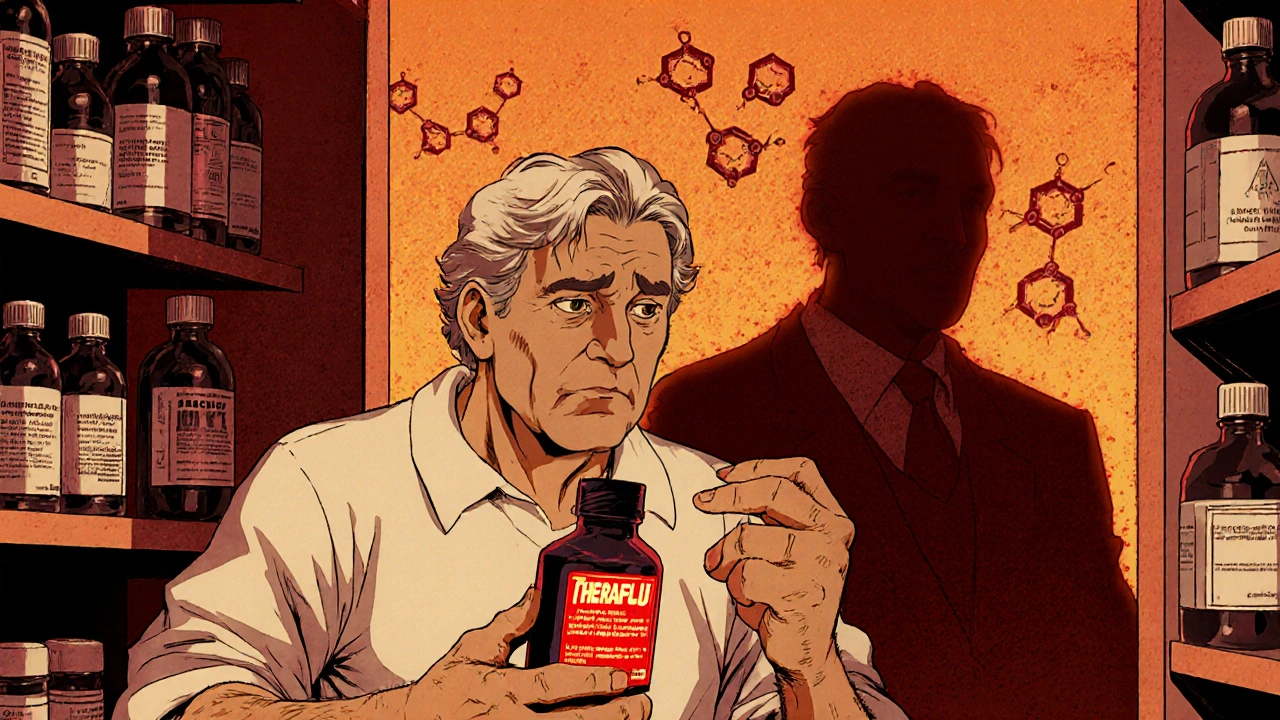
Warfarin users must avoid common OTC cold medicines like NSAIDs and high-dose acetaminophen. Learn which ingredients are safe, how to read labels, and what to do before taking anything to prevent dangerous bleeding.