
When you're over 65, not all medications are created equal. The Beers Criteria, a regularly updated list of potentially inappropriate medications for older adults, developed by the American Geriatrics Society is your quiet guardian against harm. It doesn’t say "don’t take these pills"—it says, "think twice," because some drugs that work fine for younger people can turn dangerous in older bodies. Think of it like a checklist doctors use to spot medications that might cause falls, memory loss, or kidney trouble in seniors. It’s not about banning drugs—it’s about choosing safer ones.
What makes a drug fit the Beers Criteria? Often, it’s side effects that older adults can’t handle. For example, anticholinergics like diphenhydramine (found in some sleep aids and allergy pills) can fog your brain, increase fall risk, and even raise dementia chances over time. Benzodiazepines for anxiety? They slow reaction time and make falls deadly. Even common NSAIDs like ibuprofen can wreck kidneys or cause stomach bleeds in seniors. The Beers Criteria flags these not because they’re useless, but because the risks often outweigh the benefits in people over 65. And it doesn’t stop there—it also warns about dangerous combinations. Mixing a blood thinner like warfarin with an NSAID? That’s a bleeding risk. Taking an opioid for pain while also using a muscle relaxant? That’s a breathing hazard. These aren’t hypotheticals. Real people end up in the ER because of these combinations.
It’s not just about what’s on the list—it’s about what’s missing. Many seniors take five, six, even ten pills a day. That’s polypharmacy, and it’s a silent crisis. The Beers Criteria helps cut through the clutter. It doesn’t tell you to stop everything. It tells you to ask: "Is this still needed?" "Is there a safer alternative?" "What happens if I skip this?" That’s where real change happens. You’ll find posts here that dig into specific drugs flagged by the criteria—like why certain antihistamines are risky, how to swap out sleeping pills for better habits, or why some pain meds should be avoided in people with kidney issues. You’ll also see how patient support groups help older adults speak up about their meds, and how doctors are learning to deprescribe safely. This isn’t theory. It’s about real choices that keep people independent, alert, and out of the hospital.
Knowing the Beers Criteria doesn’t mean you need to become a pharmacist. It means you can walk into a doctor’s office and ask, "Is this on the Beers list?" or "Could this be making me dizzy?" It turns you from a passive pill-taker into an active partner in your care. The posts below cover exactly that—real stories, clear comparisons, and practical steps to avoid dangerous drugs without giving up relief. Whether you’re caring for a parent, managing your own meds, or just trying to understand why your doctor changed your prescription, this collection gives you the tools to ask the right questions—and get better answers.
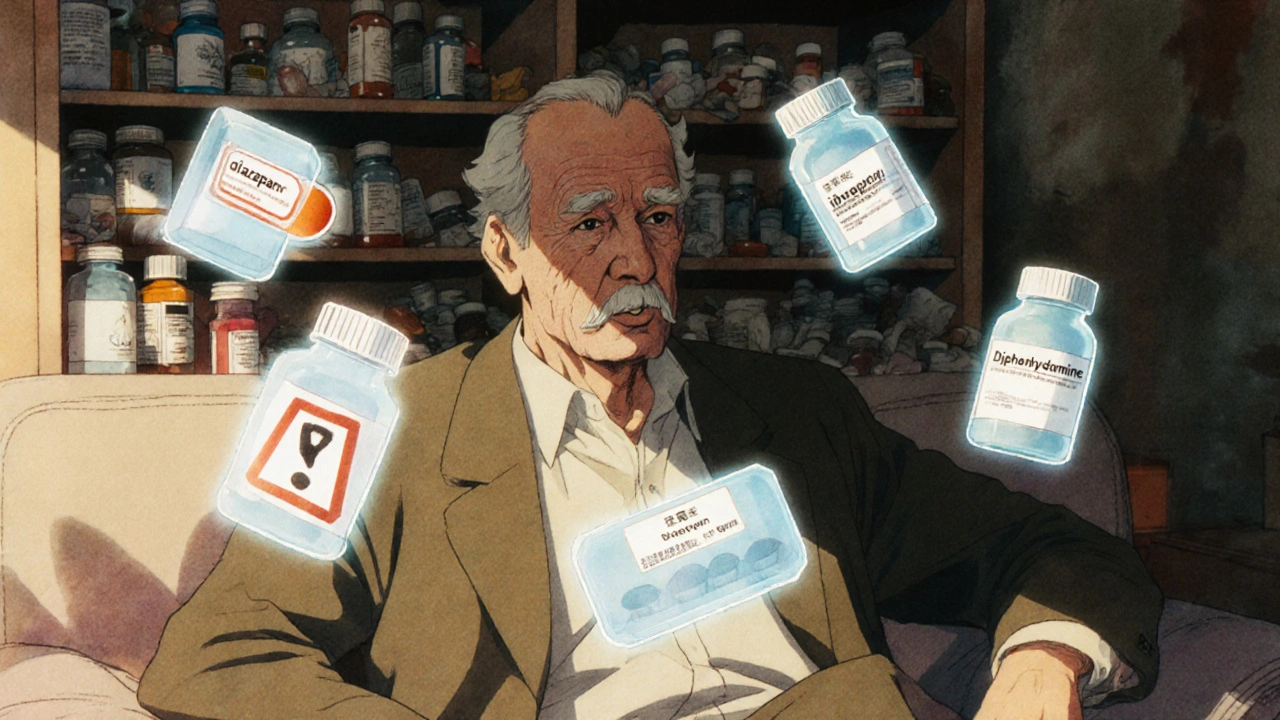
Elderly patients face higher risks from medication side effects due to age-related changes in how the body processes drugs. Learn why polypharmacy, physiological shifts, and common medications increase fall risk, confusion, and hospitalizations-and what you can do to stay safe.