
When you’re younger, a pill might slide right through your system without a second thought. But as you age, your body doesn’t process medicine the same way—age-related drug sensitivity, the increased risk of side effects and adverse reactions in older adults due to changes in how the body absorbs, metabolizes, and eliminates drugs becomes a real concern. It’s not just about taking more pills—it’s about how your liver slows down, your kidneys filter less efficiently, and your fat-to-muscle ratio shifts, making even standard doses too strong. This isn’t theoretical. Studies show that adults over 65 are hospitalized for drug reactions more than any other age group, often because what worked at 40 becomes dangerous at 70.
polypharmacy, the use of multiple medications at once, often by older adults managing several chronic conditions is one of the biggest drivers of this problem. Someone might be on blood pressure meds, a statin, a painkiller, and a sleep aid—all prescribed by different doctors, none of whom see the full picture. And when you add in drug metabolism in seniors, the slower breakdown and clearance of medications due to age-related declines in liver and kidney function, the risk of toxic buildup grows fast. Even common OTC drugs like NSAIDs or antihistamines can cause confusion, falls, or bleeding in older adults, not because they’re weak, but because their bodies can’t handle them like they used to. Opioids, for example, are far more likely to cause delirium or respiratory depression in seniors, which is why doctors now push for lower doses and regular reviews.
medication side effects in older adults, adverse reactions that occur more frequently or severely in the elderly due to physiological changes and drug interactions aren’t always obvious. Dizziness might be blamed on getting older, but it could be from a blood pressure pill. Confusion? Maybe it’s the anticholinergic in an allergy med. These aren’t rare events—they’re predictable outcomes of how aging changes pharmacology. That’s why the best care isn’t about adding more drugs, but about asking: Do we still need this one? Deprescribing—safely stopping meds that no longer help—is just as important as prescribing. The posts here cover real cases: how opioids increase fall risk, why alcohol messes with blood thinners, and how even common cold meds can turn dangerous for seniors on warfarin. You’ll find practical guides on reading labels, spotting hidden risks, and talking to your doctor about reducing pills without losing control of your health.
What you’ll find below isn’t just a list of articles—it’s a roadmap for safer aging with medication. From understanding why generic drugs look different to knowing which antibiotics can trigger heart rhythms in older patients, these posts cut through the noise and give you what matters: clear, actionable info based on real-world use. No fluff. No jargon. Just what you need to protect yourself or someone you care about as you get older.
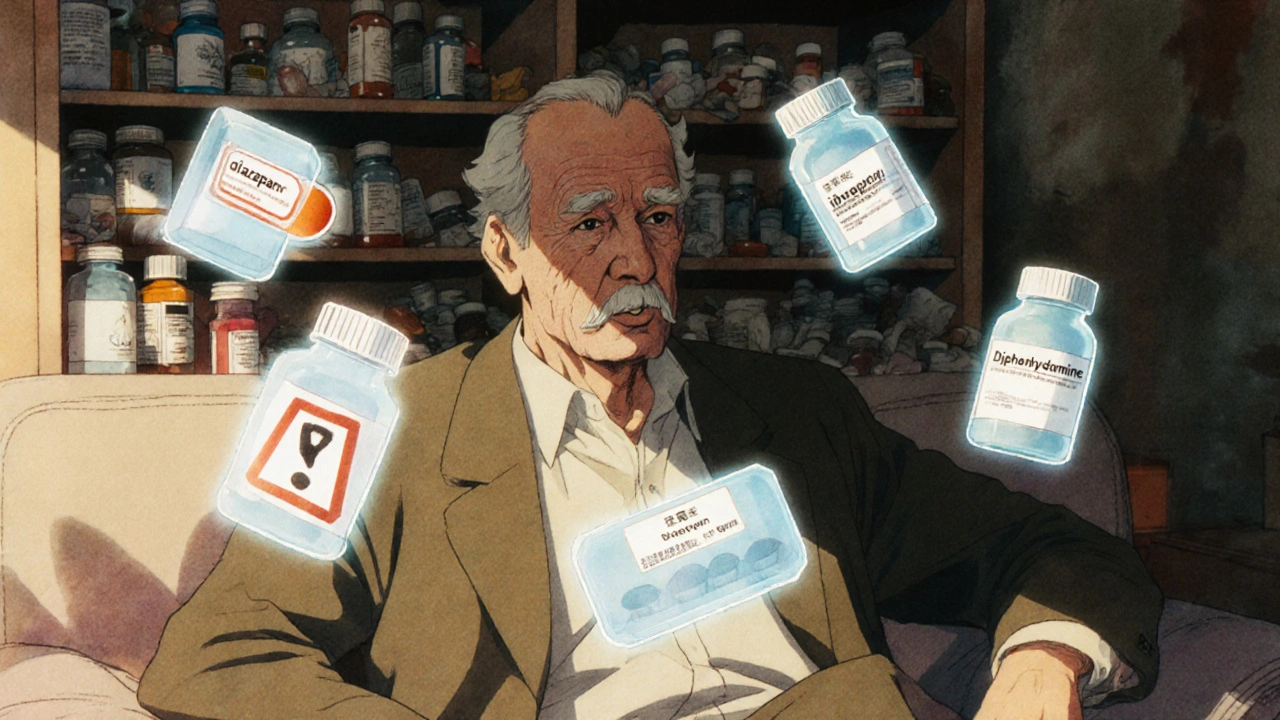
Elderly patients face higher risks from medication side effects due to age-related changes in how the body processes drugs. Learn why polypharmacy, physiological shifts, and common medications increase fall risk, confusion, and hospitalizations-and what you can do to stay safe.