
When older adults take multiple medications, the risk of adverse drug reactions in elderly, harmful or unintended responses to medications that can lead to hospitalization or death. Also known as drug side effects in seniors, they’re one of the leading causes of emergency visits in people over 65. It’s not just about taking too many pills—it’s about how aging changes the body’s ability to process drugs. Liver and kidney function slow down. Muscle mass decreases. Fat increases. All of this means a drug that was safe at 40 can become dangerous at 70.
Polypharmacy, the use of five or more medications at once. Also known as multiple drug regimens, it’s common in older adults managing diabetes, high blood pressure, arthritis, and heart disease. But each new drug adds risk. One study found that seniors taking five or more drugs have a 50% higher chance of a serious adverse reaction. And it’s not always obvious. Dizziness? Confusion? Falls? These aren’t just signs of aging—they could be drug reactions. Drug interactions older adults, when two or more medications clash in harmful ways. Also known as medication clashes in seniors, are especially tricky because symptoms get mistaken for dementia, depression, or just getting older. For example, mixing a blood thinner like warfarin with an OTC painkiller like ibuprofen can cause internal bleeding. Or taking an antihistamine for allergies and a sleep aid together might lead to dangerous confusion. Even common prescriptions like opioids or benzodiazepines increase fall risk by 30-50% in seniors. And many doctors still prescribe them without checking for safer alternatives.
What you’ll find below is a collection of real, practical guides written for people who care about medication safety in older adults. You’ll see how opioids affect balance, why certain antibiotics can trigger heart rhythm problems, how alcohol changes blood thinner levels, and what over-the-counter cold meds to avoid. These aren’t theoretical warnings—they’re based on real cases, real side effects, and real people trying to stay safe while managing multiple conditions. Whether you’re caring for a parent, helping a partner, or managing your own meds as you age, this isn’t just information—it’s protection.
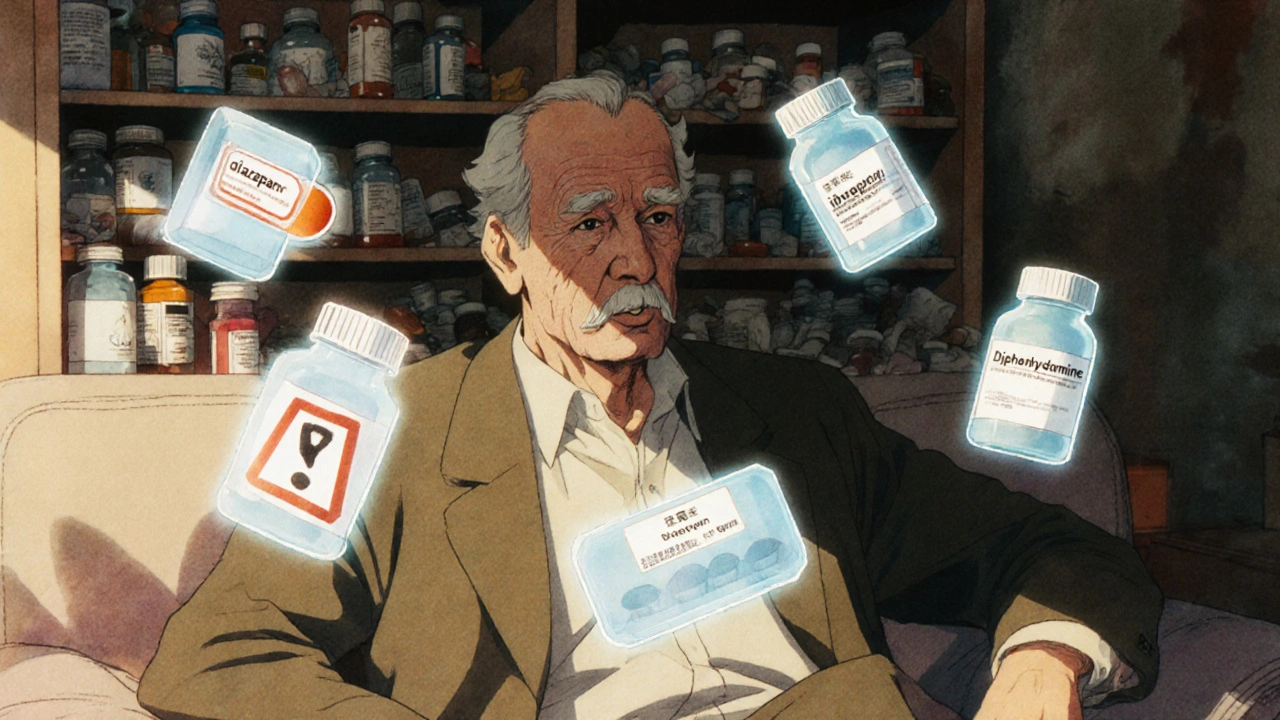
Elderly patients face higher risks from medication side effects due to age-related changes in how the body processes drugs. Learn why polypharmacy, physiological shifts, and common medications increase fall risk, confusion, and hospitalizations-and what you can do to stay safe.