

Ever tried losing weight only to feel like you were starving all day while your metabolism slowed down? You aren't alone. Most traditional diets focus on cutting calories, but they often ignore what happens to your muscles and hunger levels in the process. This is where protein prioritization comes in. It’s not just about eating more chicken; it’s a strategic approach to nutrition that helps you stay full longer and keep your hard-earned muscle mass intact, even when you’re eating fewer calories.
Think of protein as the anchor of your diet. While fats and carbs have their place, protein does heavy lifting for two critical jobs: it signals your brain that you’re satisfied, and it provides the building blocks to repair and maintain your skeletal muscle. Without enough of it, weight loss can turn into a frustrating cycle of hunger and muscle loss, which makes staying lean after the diet ends nearly impossible.
The Science Behind Staying Full and Strong
Why does protein work so well for appetite control? It’s all about hormones. When you eat a meal high in protein, your body releases specific satiety hormones. Research from Purdue University shows that protein increases peptide YY by 25% and glucagon-like peptide-1 by 20%. At the same time, it lowers ghrelin-the "hunger hormone"-by about 13% compared to meals dominated by carbs or fat.
This hormonal shift isn’t just a minor tweak; it’s a game-changer for adherence. If you’re constantly fighting hunger, you’ll likely quit the diet. By prioritizing protein, you make the caloric deficit easier to handle because you simply don’t feel as hungry. But there’s another side to this coin: muscle preservation.
When you cut calories, your body looks for energy sources. If you don’t provide enough protein, it may break down your muscle tissue for fuel. This is bad news because muscle burns more calories at rest than fat does. Losing muscle slows your metabolism, making future weight loss harder. Protein prioritization prevents this by ensuring your body has the amino acids it needs to maintain lean mass, keeping your metabolic engine running efficiently.
How Much Protein Do You Actually Need?
You’ve probably heard the Recommended Dietary Allowance (RDA) of 0.8 grams per kilogram of body weight. That number is designed to prevent deficiency in sedentary people, not to optimize weight loss or muscle health. For most adults trying to manage weight, that amount is too low.
Here is what the current research suggests for different goals:
- Active Adults & Weight Loss: Aim for 1.6 grams per kilogram of body weight per day. A 2023 meta-analysis by Dr. Brad Schoenfeld found this to be the sweet spot for preserving muscle. Going up to 2.2 g/kg offers marginal benefits for some, but 1.6 g/kg is the proven baseline.
- Older Adults (65+): The PROT-AGE Study Group recommends 1.2 to 1.6 g/kg/day. Older bodies experience "anabolic resistance," meaning they need more protein to trigger the same muscle-building response as younger bodies.
- Cutting Phase (Athletes): During strict caloric restriction, intakes exceeding 1.3 g/kg/day significantly prevent muscle mass decline. Below 1.0 g/kg/day correlates with accelerated muscle loss.
To put this in perspective, if you weigh 70 kg (154 lbs), aiming for 1.6 g/kg means you should target around 112 grams of protein daily. That’s roughly double what many people currently eat.
Timing and Distribution: Quality Over Quantity
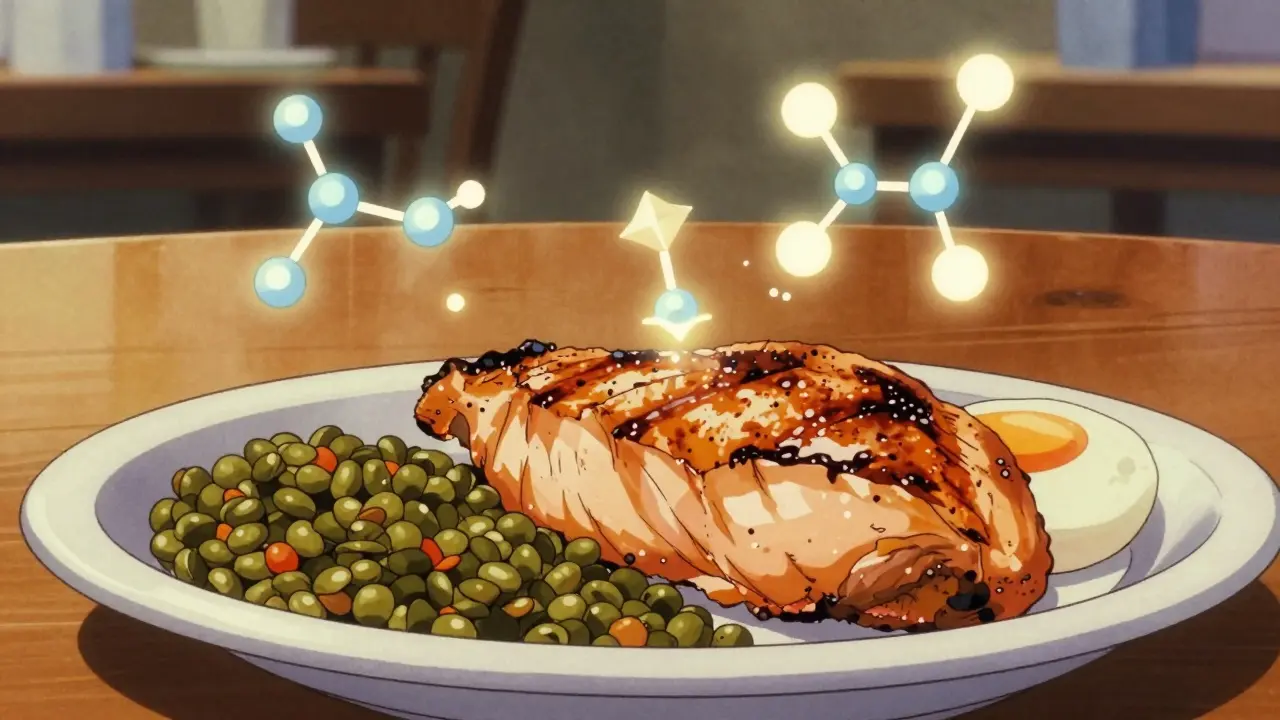
Eating 112 grams of protein in one giant dinner won’t give you the same results as spreading it out throughout the day. Your body has a limit on how much protein it can use for muscle synthesis at one time. This brings us to the concept of the leucine threshold. Leucine is an essential amino acid that acts like the "ignition switch" for muscle protein synthesis.
Research from the University of Texas indicates you need about 2.5 to 3.0 grams of leucine per meal to maximally stimulate muscle growth. This typically requires 25 to 30 grams of high-quality protein per sitting. So, instead of three uneven meals, aim for three to four meals spaced 3-4 hours apart, each containing that 25-30 gram target.
Breakfast is particularly important here. Many people start the day with low-protein options like cereal or toast. Swapping that for eggs, Greek yogurt, or a protein shake can combat morning hunger and set a positive tone for the rest of the day. Dr. Connie Weaver from Purdue University emphasizes that for older adults, distribution matters more than total intake, with breakfast being a key window to fight anabolic resistance.
Choosing the Right Protein Sources
Not all protein is created equal. The quality of the protein source affects how well your body absorbs and uses it. Scientists use metrics like PDCAAS (Protein Digestibility Corrected Amino Acid Score) and DIAAS (Digestible Indispensable Amino Acid Score) to rank these sources.
| Source | PDCAAS Score | Leucine Content (per 30g protein) | Best For |
|---|---|---|---|
| Whey Protein Isolate | 1.0 | High (~2.5g) | Post-workout recovery, convenience |
| Egg Whites | 0.97 | High (~2.2g) | Whole food breakfasts, baking |
| Chicken Breast | 0.95 | High (~2.3g) | Lunch/Dinner staples, cost-effective |
| Tuna (Canned) | 0.92 | High (~2.1g) | Budget-friendly, quick meals |
| Lentils/Beans | 0.5 - 0.7 | Low (~1.0g) | Fiber-rich plant-based diets (needs combining) |
If you follow a plant-based diet, you might face a slight challenge. Studies show plant proteins can result in 15-20% lower muscle protein synthesis rates compared to animal proteins. To counter this, you may need to consume slightly more total protein or combine sources (like rice and beans) to ensure you hit that leucine threshold. Fortifying your diet with soy or pea protein isolates can also help bridge the gap.

Practical Tips for Implementation
Shifting to a protein-prioritized diet doesn’t happen overnight. It takes about 4-6 weeks to adjust your habits, according to Precision Nutrition data. Here are some practical steps to make the transition smoother:
- Start with Breakfast: Replace your usual carb-heavy morning meal with something protein-rich. Two eggs and a slice of whole-grain toast, or a cup of Greek yogurt with berries, can make a huge difference.
- Batch Cook Proteins: Cost is a common barrier. High-protein diets can increase food spending by about 18%. Batch cooking chicken, beef, or lentus on weekends reduces waste and saves money. Canned tuna is also a great budget hack, costing significantly less per gram of protein than whey isolate.
- Watch Your Fiber: When you increase protein, especially from meat, you might reduce fiber intake unintentionally. This leads to digestive issues for 37% of new adopters. Add vegetables, fruits, or a fiber supplement to keep things moving smoothly.
- Hydrate: Processing protein requires water. Inadequate hydration can cause kidney strain symptoms, especially if you’re consuming above 2.5 g/kg/day. Drink plenty of water throughout the day.
Common Pitfalls to Avoid
One major mistake people make is focusing solely on protein and neglecting other nutrients. Dr. David Ludwig from Harvard cautioned that excessive protein focus (above 2.2 g/kg/day) might displace nutrient-dense plant foods, which could have long-term health implications. Balance is key. Protein should support your diet, not dominate it to the exclusion of fruits, vegetables, and healthy fats.
Another pitfall is ignoring strength training. Protein prioritization excels at preserving muscle, but it doesn’t build significant strength on its own. The ESPEN meta-analysis noted that while protein prevented muscle mass decline, it didn’t significantly prevent decreases in muscle strength without resistance exercise. Combine your high-protein diet with 2-3 days of strength training per week for the best body composition results.
Finally, don’t fall into the trap of "culinary monotony." Eating plain chicken breast every day is unsustainable. Use spices, marinades, and varied cooking methods to keep meals interesting. Variety improves adherence, which is the single biggest predictor of long-term success.
Is 2.2 g/kg of protein safe for everyone?
For healthy individuals with normal kidney function, intakes up to 2.2 g/kg/day are generally considered safe and effective for muscle preservation during weight loss. However, those with pre-existing kidney conditions should consult a healthcare provider before increasing protein intake significantly. The general population rarely needs to exceed 1.6-1.8 g/kg/day unless under specific athletic or medical supervision.
Can I meet my protein needs with plant-based foods only?
Yes, but it requires more planning. Plant proteins often have lower digestibility and leucine content than animal proteins. You may need to consume slightly higher total amounts (up to 2.0 g/kg/day) and combine different sources (like legumes and grains) to ensure you get all essential amino acids and hit the leucine threshold for muscle synthesis.
Does protein timing really matter?
It matters more than total intake for optimizing muscle protein synthesis. Spreading your protein evenly across 3-4 meals (25-30g per meal) is more effective than consuming most of it in one large meal. This ensures your body consistently has the amino acids needed for repair and keeps satiety hormones regulated throughout the day.
Will eating more protein hurt my kidneys?
Current evidence suggests that high protein intake does not harm kidney function in healthy individuals. However, if you have existing chronic kidney disease, high protein loads can accelerate damage. Always stay hydrated when increasing protein intake to help your kidneys process nitrogen waste effectively.
How do I calculate my protein needs accurately?
Multiply your body weight in kilograms by your target factor (e.g., 1.6 for active weight loss). For example, if you weigh 80 kg, multiply 80 x 1.6 = 128 grams of protein per day. If you use pounds, divide your weight by 2.2 to get kg, then multiply by 1.6. Using a food tracking app initially can help you understand how much protein is in common foods.