
Grapefruit & Medication Interaction Checker
Select a Medication
Enter a drug name to see its interaction risk level with grapefruit juice.
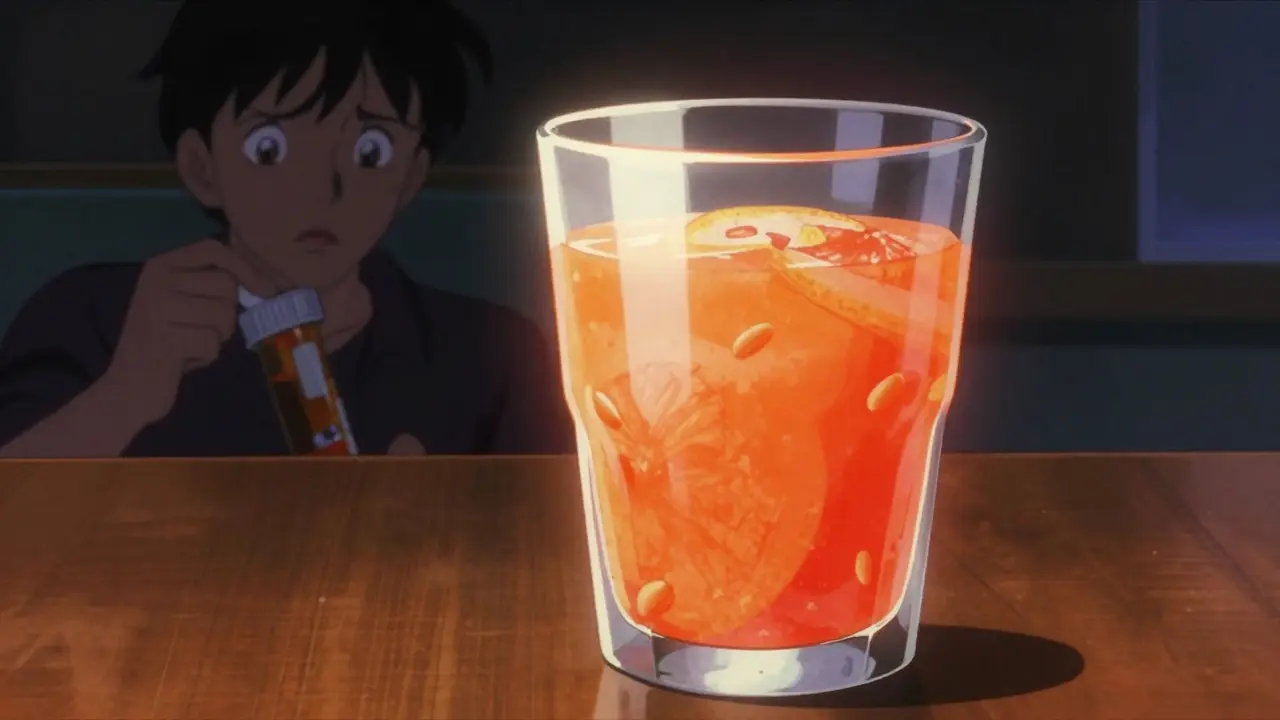
You grab a glass of fresh grapefruit juice is a popular breakfast beverage that contains compounds which can dangerously interfere with the metabolism of many prescription medications to start your morning. It’s refreshing, it’s healthy, and it tastes great. But if you take certain prescription drugs, that single glass might be quietly turning your daily dose into an overdose. This isn’t just a minor side effect warning; it is a serious pharmacological phenomenon that affects thousands of people every year.
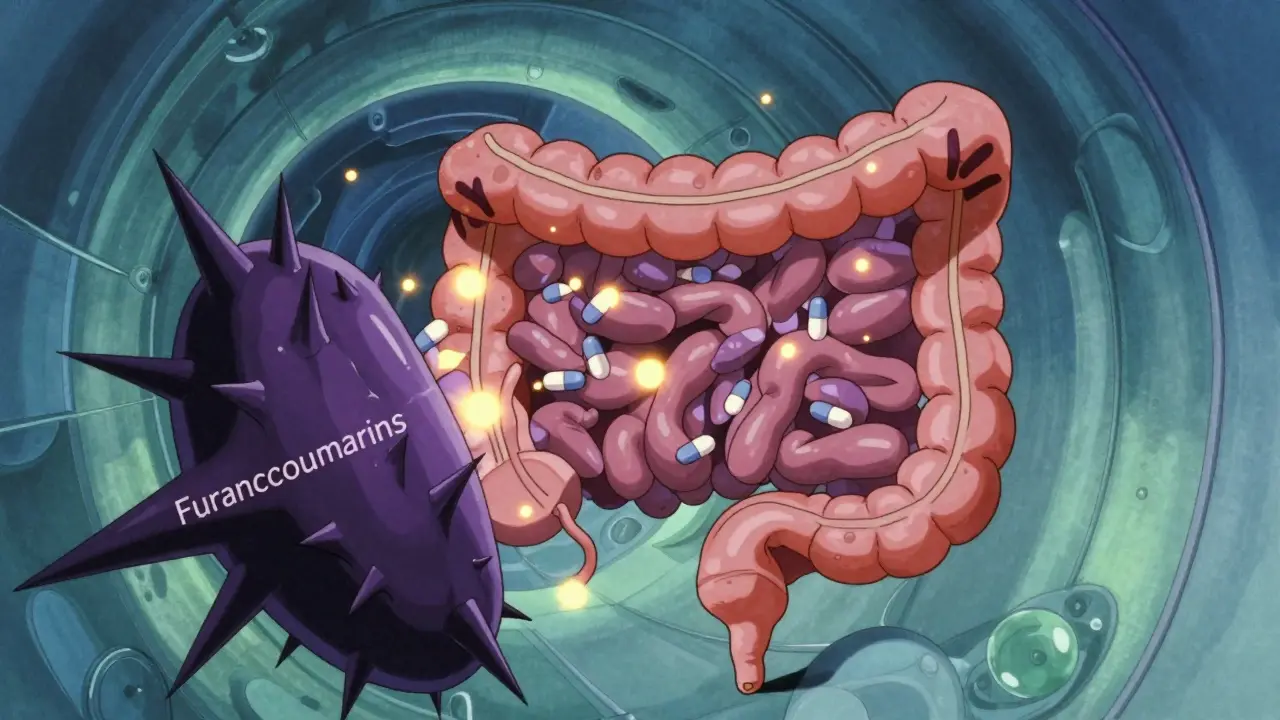
The problem isn’t the vitamin C or the fiber. The issue lies in specific chemical compounds found in grapefruit called furanocoumarins are bioactive compounds such as bergamottin and dihydroxybergamottin that inhibit intestinal enzymes responsible for breaking down drugs. These compounds block the body’s natural ability to process certain medications, causing drug levels in your blood to skyrocket. For some patients, this increase can be life-threatening. Understanding exactly why this happens and which medications are involved is crucial for anyone managing chronic health conditions.
Why Grapefruit Blocks Your Body’s Defense System
To understand the danger, we have to look at how your body handles medicine. When you swallow a pill, it travels through your digestive system before entering your bloodstream. Along the way, enzymes in your intestines act like bouncers at a club, breaking down parts of the drug so only the right amount gets through. The most important of these enzymes is called CYP3A4 is a liver and intestinal enzyme that metabolizes approximately 50% of all prescribed medications.
Grapefruit contains furanocoumarins, specifically bergamottin and 6',7'-dihydroxybergamottin. When these compounds hit your intestine, they don’t just slow down CYP3A4-they effectively shut it down. Think of it like pouring concrete into a drain. The enzyme is irreversibly inhibited. Your body has to grow new enzymes to replace them, which takes time. Because of this, simply waiting a few hours between eating grapefruit and taking your pill doesn’t work. The inhibitory effect lasts for 24 to 72 hours after consumption. If you eat grapefruit today, your CYP3A4 levels will remain suppressed tomorrow, and possibly the day after.
This mechanism was first identified in 1989 by Dr. David G. Bailey and his team at the University of Western Ontario. They were studying alcohol interactions when they noticed something strange: patients who drank grapefruit juice had plasma concentrations of felodipine (a blood pressure medication) that were 355% higher than expected. That discovery changed how doctors view food-drug interactions forever.
The High-Risk Medications List
Not every medication interacts with grapefruit, but the list of those that do is long and includes some of the most commonly prescribed drugs in the world. According to a comprehensive review published in the Canadian Medical Association Journal (CMAJ) in 2012, there are at least 85 medications known to interact with grapefruit. Of these, 43 are classified as potentially life-threatening.
| Medication Class | Specific Drugs (Examples) | Effect of Interaction |
|---|---|---|
| Statins are medications used to lower cholesterol levels in the blood | Simvastatin (Zocor), Lovastatin (Mevacor), Atorvastatin (Lipitor) | Increased risk of muscle damage (rhabdomyolysis) and kidney failure |
| Calcium Channel Blockers are drugs that relax blood vessels to treat high blood pressure and heart conditions | Felodipine (Plendil), Nifedipine (Procardia), Amlodipine (Norvasc) | Dangerously low blood pressure, swelling, and dizziness |
| Immunosuppressants are drugs that suppress the immune system to prevent organ transplant rejection | Cyclosporine (Sandimmune), Tacrolimus (Prograf), Sirolimus (Rapamune) | Over-suppression of immune system, leading to severe infections or organ toxicity |
| Anxiolytics & Antidepressants | Buspirone (Buspar), Sertraline (Zoloft - mild interaction) | Increased sedation, drowsiness, and potential serotonin syndrome |
Let’s look closer at statins, since high cholesterol is so common. If you take simvastatin, drinking just 200 milliliters (about 6.7 ounces) of grapefruit juice daily for three days can triple the amount of drug in your blood. Normal levels might sit around 15 ng/mL, but with grapefruit, they jump to 45 ng/mL. This massive spike dramatically increases the risk of rhabdomyolysis-a condition where muscle tissue breaks down and releases proteins that can cause acute kidney damage. However, not all statins are equal here. Pravastatin (Pravachol) and rosuvastatin (Crestor) do not rely heavily on CYP3A4 for metabolism, so they are generally safe to take with grapefruit.
For immunosuppressant users, the stakes are even higher. Transplant patients taking tacrolimus can see their drug exposure increase by 300% to 500%. This isn’t just about feeling sick; it’s about whether your body rejects the new organ or suffers from severe toxicity. The FDA mandates warnings on labels for drugs like cyclosporine and sirolimus because the margin for error is razor-thin.
It’s Not Just Grapefruit: Watch Out for These Cousins
If you think you’re safe because you stopped drinking grapefruit juice, check your pantry. The furanocoumarins aren’t exclusive to grapefruit. Other citrus fruits contain similar compounds that can trigger the same enzyme inhibition.
- Seville Oranges: These bitter oranges are often used to make marmalade. If your jar of marmalade lists Seville oranges, it poses the same risk as grapefruit.
- Pomelos: Large, pink-fleshed pomelos are closely related to grapefruit and contain high levels of bergamottin.
- Limes: While less potent, some varieties of limes contain trace amounts of furanocoumarins. The risk is lower, but caution is still advised for high-risk medications.
- Pomegranates: Some case reports suggest pomegranate may enhance drug effects through similar mechanisms, though the evidence is less robust than for grapefruit.
Sweet oranges, lemons, and regular tangerines are generally safe. They lack the significant concentration of furanocoumarins needed to inhibit CYP3A4 effectively. So, if you crave citrus, stick to the sweet varieties.
Who Is Most at Risk?
The danger of grapefruit interactions grows as you age. According to the CDC’s 2021 National Health Interview Survey, 52.3% of Americans aged 65 and older take five or more prescription drugs daily. This phenomenon, known as polypharmacy, means older adults are much more likely to be on at least one medication that interacts with grapefruit.
Harvard Medical School notes that people over 45 are particularly vulnerable. Why? Two reasons. First, they are more likely to be prescribed drugs like statins or calcium channel blockers for heart health. Second, they tend to consume grapefruit products regularly as part of a "healthy" diet. It’s a perfect storm of good intentions meeting bad biochemistry.
Genetics also play a role. A 2021 study in *Clinical Pharmacology & Therapeutics* found that patients with a specific genetic variant called the CYP3A4*22 allele experienced interactions that were 40% more pronounced than those without the variant. This means two people could drink the same amount of grapefruit juice, but one person might suffer severe side effects while the other feels fine. You can’t predict your risk just by looking at someone else’s experience.
What Should You Do? Practical Steps for Safety
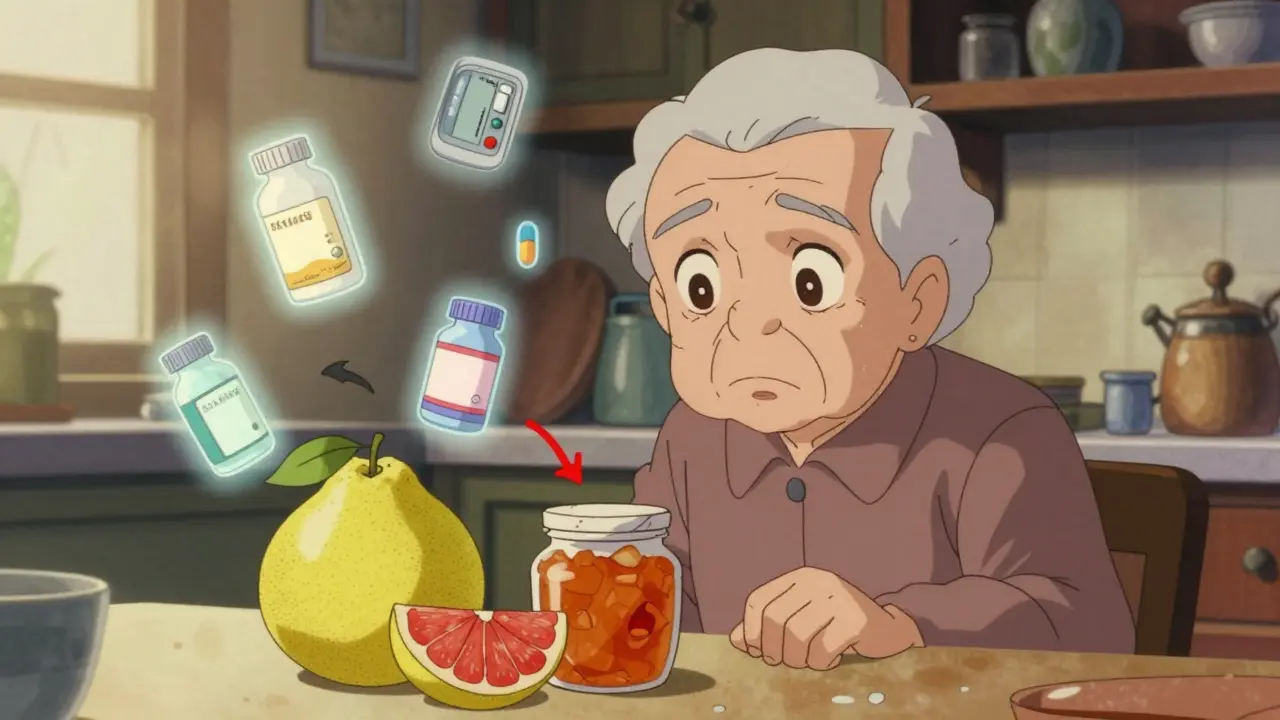
If you are currently taking medication, don’t panic. But do take action. Here is a clear plan to protect yourself.
- Check Your Prescription Labels: The FDA requires manufacturers to include warnings on packaging for drugs with known interactions. Look for phrases like "avoid grapefruit juice" or "may interact with CYP3A4 inhibitors."
- Talk to Your Pharmacist: Pharmacists are the frontline experts in drug interactions. In 2022, the American Pharmacists Association reported that 78.4% of community pharmacists routinely screen for these interactions during medication reviews. Ask them directly: "Does my medication interact with grapefruit?"
- Ask for Alternatives: If you love grapefruit and can’t give it up, ask your doctor if there is a non-interacting alternative. For example, if you are on simvastatin, switching to pravastatin or rosuvastatin solves the problem entirely. If you are on amlodipine, diltiazem might be a safer option for blood pressure control.
- Avoid Completely: Do not try to "time" your intake. Because the enzyme inhibition lasts up to 72 hours, separating the fruit and the pill by a few hours provides zero protection. Complete avoidance is the only guaranteed safe strategy for high-risk drugs.
Electronic health record systems, like Epic Systems, now automatically alert doctors and pharmacists when a patient with a grapefruit-interacting drug orders a refill. Use this technology. Let the system flag the issue before it becomes a hospital visit.
The Bottom Line
Grapefruit is a delicious fruit, but it is also a powerful biological modifier. It doesn’t just add nutrients; it changes how your body processes chemicals. For millions of people, especially older adults managing multiple conditions, this change can be dangerous. The interaction is well-documented, scientifically proven, and clinically significant.
You don’t need to become a biochemist to stay safe. You just need to know what you are taking and ask the right questions. By understanding the role of CYP3A4 and furanocoumarins, you take control of your health. Don’t let a morning snack undermine your medical treatment. Check your meds, talk to your pharmacist, and enjoy your citrus safely.
How long does the grapefruit effect last?
The inhibitory effect of grapefruit on CYP3A4 enzymes lasts for 24 to 72 hours after consumption. This is because the furanocoumarins irreversibly bind to the enzymes, requiring the body to synthesize new ones. Therefore, spacing out your medication and grapefruit intake by a few hours is ineffective.
Can I eat grapefruit if I take Rosuvastatin (Crestor)?
Yes, generally speaking. Rosuvastatin and Pravastatin are not significantly metabolized by the CYP3A4 enzyme pathway, so they do not have the same dangerous interaction with grapefruit as Simvastatin or Lovastatin. However, always consult your doctor for personalized advice.
Is dried grapefruit or grapefruit supplements safe?
No. Dried grapefruit, grapefruit juice concentrate, and supplements containing grapefruit extract still contain furanocoumarins. The concentration of these compounds can sometimes be even higher in processed forms, posing a significant risk if you are taking interacting medications.
Which orange marmalades should I avoid?
You should avoid marmalades made from Seville oranges. These bitter oranges contain furanocoumarins similar to grapefruit. Sweet orange marmalades are generally safe. Always check the ingredient list for "Seville oranges" or "bitter oranges."
How many adverse events are caused by grapefruit interactions annually?
The FDA estimates that grapefruit-drug interactions contribute to approximately 10,000 adverse drug events annually in the United States. These events range from mild side effects to severe hospitalizations, particularly among older adults taking multiple medications.