
Why Your Generic Medication Costs Less Online
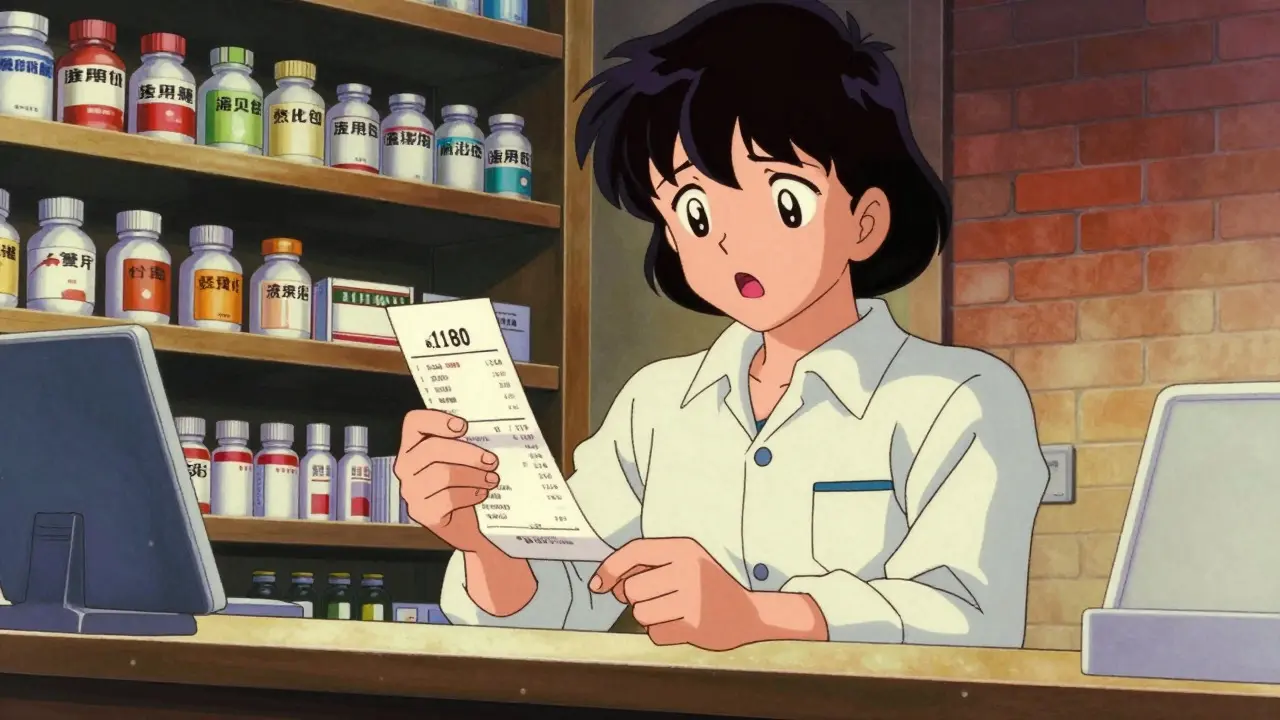
You walk into a local pharmacy counter with a prescription for a common generic medication, and the price tag shocks you. You’ve heard that buying drugs online is cheaper, but is it actually safe? And how much can you really save? The short answer is yes, online pharmacy platforms often slash costs significantly compared to traditional retail counters, but the reason why isn’t just about lower overhead-it’s about how the pricing system itself is broken.
In the United States, the gap between what you pay at a big-box store versus an online discount service or direct-to-consumer mail-order pharmacy can be staggering. For some routine generics, the difference isn’t just a few dollars; it’s the difference between paying $60 and paying $20 for the exact same bottle of pills. This article breaks down exactly where those savings come from, which platforms offer the best deals, and when you might still want to stick with your local corner shop.
The Hidden Math Behind Pharmacy Prices
To understand why online prices are lower, you first need to understand how retail pharmacies set their prices. It’s not as simple as “cost plus profit.” Traditional retail pharmacies-like CVS, Walgreens, or independent shops-often calculate cash prices using a formula based on the Average Wholesale Price (AWP). A common markup model looks like this: AWP + 20% + a fixed dispensing fee (e.g., $5).
This structure creates opaque pricing. The AWP is essentially a list price that rarely reflects what the pharmacy actually pays the distributor. Meanwhile, Pharmacy Benefit Managers (PBMs)-the middlemen who negotiate drug prices for insurance companies-add another layer of complexity. When you pay out-of-pocket at a retail counter without using insurance, you’re often hitting this inflated baseline rate.
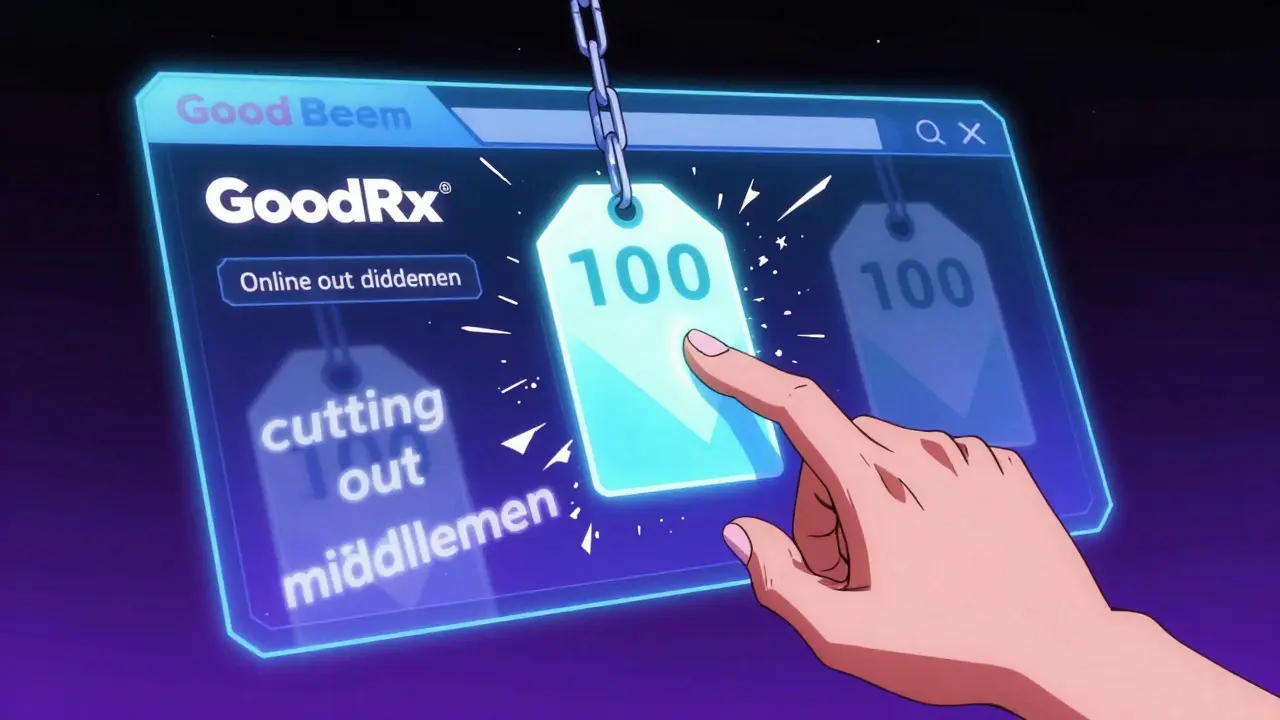
Online platforms operate differently. Services like Beem, GoodRx, and SingleCare don’t sell drugs themselves in many cases; they act as price comparison engines and negotiators. They leverage massive volume data to negotiate fixed discounted rates directly with participating pharmacies. By cutting out the PBM intermediary and bypassing the AWP markup formula, these platforms can offer transparent, pre-set discounts. According to a 2023 analysis by Trybeem, this direct negotiation model allows consumers to access the lowest available price from local pharmacies without needing insurance enrollment.
| Medication (Generic) | Dosage/Quantity | Typical Retail Cash Price | Online Platform Price (e.g., Beem/GoodRx) | Estimated Savings |
|---|---|---|---|---|
| Lipitor (Atorvastatin) | 20mg / 30 tablets | $250 | $50 | $200 (80%) |
| Metformin | 500mg / 30 tablets | $60 | $20 | $40 (67%) |
| Amoxicillin | 500mg / 30 capsules | $30 | $10 | $20 (67%) |
As shown in the table above, the savings are most dramatic for widely prescribed generics. Beem, for instance, claims up to 80% savings compared to traditional retail prices and even reports prices 50-67% lower than other discount services for the same medications. These aren’t niche outliers; they represent the standard operating procedure for major e-pharmacy discount models.
Direct-to-Consumer Models: Disrupting the Status Quo
Beyond discount coupons, a new wave of direct-to-consumer (DTC) online pharmacies has emerged, challenging the entire supply chain. Mark Cuban’s Cost Plus Drug Company is the most prominent example. Launched to disrupt the market, this model strips away the PBM entirely. Instead of complex rebates and markups, they charge the wholesale cost of the drug plus a flat 15% markup and a $3 dispensing fee.
A 2023 study by Ohio State University examined the impact of this model. Researcher Gusovsky Chevalier noted that for 76% of medications, the difference in out-of-pocket payments between DTC online pricing and insured retail pharmacy costs was less than $200 per year. In many cases, the difference was close to zero. However, for uninsured patients, the savings were life-changing. Total annual costs from online pharmacies like Cost Plus were found to be 431% lower than commercial pharmacy prices for insured patients facing high deductibles.
While specialty neurologic drugs like glatiramer acetate ($24,186 annually) remain expensive even in DTC channels, the vast majority of routine medications cost less than $635 per year through these platforms. This makes them substantially more affordable for the millions of Americans who are underinsured or uninsured.
Retail Advantages: When Physical Stores Still Win
If online options are so cheap, why do we still have 60,000 retail pharmacies across the U.S.? The answer lies in convenience and care. Retail pharmacies offer immediate access. If you need antibiotics for a sudden infection, waiting three days for mail-order delivery isn’t an option. Furthermore, in-person pharmacist access provides a safety net. Pharmacists can review your current medications for interactions, provide counseling on side effects, and offer health screenings.
For routine maintenance medications-like blood pressure or cholesterol drugs-where immediate consultation is less critical, the trade-off favors online savings. But for acute care or complex regimens, the physical pharmacy remains valuable. BuzzRx’s comparative analysis highlights that while retail pharmacies offer faster turnaround and personal interaction, the significant cost differences make online options compelling for price-sensitive consumers managing chronic conditions.
Safety and Legitimacy: How to Spot a Real E-Pharmacy
Not all online pharmacies are created equal. While platforms like GoodRx and Cost Plus are legitimate, the internet is also home to rogue sites selling counterfeit drugs. To ensure safety, look for verification seals. In the U.S., legitimate online pharmacies must be accredited by the National Association of Boards of Pharmacy (NABP) through the VIPPS (Verified Internet Pharmacy Practice Sites) program. Always check for a physical address and a licensed pharmacist available for consultation. Avoid sites that sell prescription drugs without requiring a valid prescription.
The Future of Prescription Pricing
The market is shifting rapidly. Mail-order pharmacies accounted for 37% of retail pharmacy sales in 2017, and that number is climbing. The Business Research Company projects the global mail-order pharmacy market will reach $249.06 billion by 2029, growing at 18.2% annually. E-commerce adoption is the primary driver. As consumers become more savvy about checking prices online before filling prescriptions at retail counters, traditional pharmacies face pressure to adapt. The Congressional Budget Office’s October 2024 report confirms that prescription drug spending continues to grow, creating substantial opportunity for cost-saving alternatives. Online models that address transparency and affordability gaps are positioned for sustained growth, potentially capturing nearly half of all prescription transactions within the next decade.
Are online generic drug prices always lower than retail?
In most cases, yes. Online discount platforms and direct-to-consumer pharmacies typically offer prices 50-80% lower than retail cash prices for common generics. However, if you have robust insurance with low copays, your retail cost might sometimes match or beat online cash prices. Always compare both.
Is it safe to buy generic medications online?
Yes, provided you use verified platforms. Look for NABP accreditation (VIPPS seal) in the U.S. Legitimate online pharmacies require a valid prescription and employ licensed pharmacists. Avoid sites that sell drugs without prescriptions or offer prices that seem too good to be true.
What is the difference between GoodRx and a direct-to-consumer pharmacy like Cost Plus?
GoodRx is primarily a coupon and price-comparison service that negotiates discounts with local pharmacies. You pick up the drug at a retail store. Cost Plus Drug Company is a direct-to-consumer pharmacy that sells drugs directly to you via mail-order, cutting out PBMs and using a transparent wholesale-plus-markup pricing model.
Do online pharmacies accept insurance?
Many direct-to-consumer online pharmacies do not accept insurance because their cash prices are already lower than most insurance copays. However, some larger mail-order services linked to insurance plans do accept coverage. Check the specific platform’s policy before ordering.
How long does it take to receive medication from an online pharmacy?
Delivery times vary. Local pickup via discount coupons (like GoodRx) is immediate. Mail-order pharmacies typically take 3-7 business days for shipping. Some services offer expedited shipping for an additional fee. Plan ahead for refills to avoid running out of medication.