
Imagine trusting a medication that passed every clinical trial, only to find out months later that it carries a risk you never knew about. This isn’t a hypothetical scenario; it’s the reality of post-market drug surveillance. The U.S. Food and Drug Administration (FDA) issues Drug Safety Communications are official notifications that alert patients and healthcare providers to new safety concerns discovered after a drug has been approved for public use. These aren't just minor updates-they can change how you take your medicine, what side effects to watch for, or even whether you should continue taking it at all.
In 2025 alone, the FDA released dozens of these critical alerts, ranging from class-wide changes to opioid prescriptions to specific monitoring requirements for Alzheimer's treatments. With the volume of safety data increasing and the regulatory landscape tightening, staying informed is no longer optional-it’s essential for patient safety. Here is what you need to know about recent drug safety communications, why they happen, and how they affect you right now.
Why Do Drugs Get Recalled or Flagged After Approval?
Clinical trials are rigorous, but they have limits. They typically involve thousands of participants over a relatively short period, often excluding people with multiple chronic conditions or those taking other medications. Once a drug hits the market, millions of diverse individuals start using it. That’s when rare side effects or long-term risks begin to surface.
The FDA continuously monitors this real-world data through the Sentinel Initiative, which analyzes electronic health records from approximately 300 million patients across 25 major healthcare systems. When this system flags a potential issue-such as an unexpected spike in heart problems or liver toxicity-the FDA investigates. If the evidence is strong enough, they issue a Drug Safety Communication. In severe cases, such as contamination or manufacturing errors, a full medication recall may occur.
This process is mandated by the Federal Food, Drug, and Cosmetic Act Section 505(o)(3), which gives the FDA the authority to require changes to prescribing information, issue Medication Guides, or release public safety alerts when new risks emerge. It’s a vital safety net, ensuring that the benefits of a drug continue to outweigh its risks as more data becomes available.
Major Safety Alerts from Late 2025
Several significant Drug Safety Communications were issued in late 2025 that have continued to shape prescribing practices into 2026. Understanding these examples helps illustrate the scope and severity of modern drug safety monitoring.
| Date | Medication/Class | Safety Concern | Action Required |
|---|---|---|---|
| July 31, 2025 | All Opioid Pain Medications | Long-term addiction and overdose risks | Updated labeling with quantitative risk estimates |
| June 30, 2025 | Extended-Release Stimulants (ADHD) | Weight loss in children under 6 | Regular weight monitoring (baseline + every 3 months) |
| June 18, 2025 | Transderm Scōp (Scopolamine) | Heat-related complications | Avoid high heat (>86°F/30°C); warn patients on hot tubs/sun exposure |
| May 16, 2025 | Cetirizine & Levocetirizine (Zyrtec/Xyzal) | Specific adverse events | New warnings added to product labels |
| August 28, 2025 | Leqembi (Lecanemab) | Amyloid-related imaging abnormalities (ARIA) | Mandatory MRIs at 5 and 14 months post-treatment |

The Opioid Labeling Overhaul: A Class-Wide Shift
One of the most impactful changes came on July 31, 2025, when the FDA mandated updated labeling for all 46 approved opioid analgesic products in the United States. This wasn’t just a tweak; it was a comprehensive overhaul affecting a market valued at $11.3 billion annually.
The communication required manufacturers to include new quantitative estimates of the risks of addiction, abuse, misuse, and fatal and non-fatal overdose for patients taking opioids long-term. This decision was based on two massive postmarketing requirement studies (PMRs 3033-1 and 3033-2) conducted by the Opioid Postmarketing Consortium. These studies, which cost $187 million, provided concrete data on how dangerous extended use can be.
What this means for you: If you take extended-release or long-acting (ER/LA) opioids, your doctor is now legally required to regularly re-evaluate your benefit-risk profile. For stable patients, this reassessment must happen at least every three months. The new labels also highlight interactions with central nervous system depressants, including gabapentinoids, and warn about toxic leukoencephalopathy-a serious brain condition linked to opioid overdose.
However, implementation has been challenging. An August 2025 survey by the American Medical Association found that 63% of primary care physicians felt they didn’t have enough time during visits to fully discuss these new risks. Additionally, 41% reported lacking access to adequate non-opioid pain management alternatives. This gap between regulation and practice highlights a critical need for better support systems for both doctors and patients.
Alzheimer’s Treatment and New Monitoring Rules
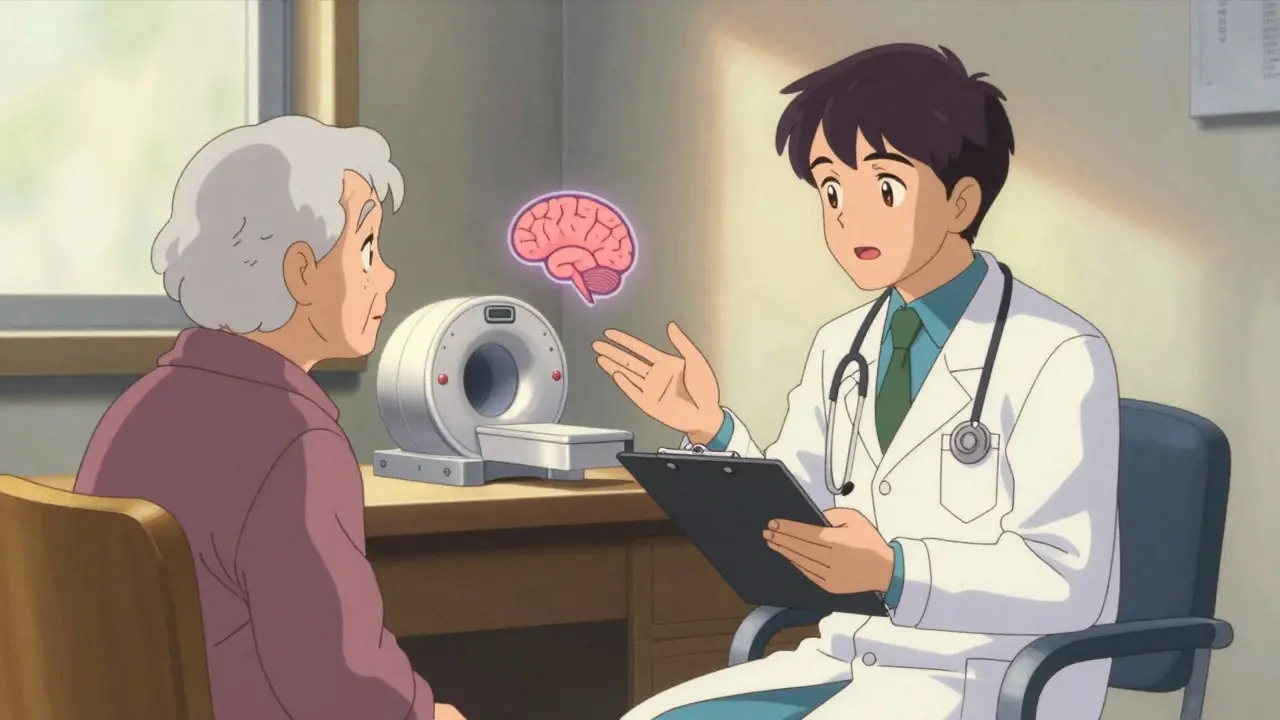
On August 28, 2025, the FDA issued a specific safety communication regarding Leqembi (lecanemab), an antibody treatment for Alzheimer’s disease. While effective in slowing cognitive decline, the drug carries a risk of amyloid-related imaging abnormalities (ARIA)-swelling or bleeding in the brain.
In the first year of Leqembi’s use, 274 cases of ARIA were reported. In response, the FDA mandated strict MRI monitoring protocols. Patients starting Leqembi must now undergo MRIs at five months and 14 months after initiating treatment. This is the first time an Alzheimer’s drug has received such specific, mandatory imaging requirements.
This move reflects a broader trend in biologics safety. As complex therapies like CAR-T cell treatments and mRNA vaccines enter the mainstream, the FDA is demanding more rigorous post-approval surveillance. The global biologics market is projected to reach $613 billion by 2027, making robust safety monitoring more critical than ever.
How to Stay Safe: Practical Steps for Patients
Navigating drug safety communications can feel overwhelming, but there are concrete steps you can take to protect yourself and your loved ones.
- Check the FDA Website Regularly: The FDA’s Drug Safety Communications page is updated frequently. Bookmark it and check it periodically, especially if you’re on long-term medication.
- Ask Your Pharmacist: Pharmacists are trained to interpret these alerts. Before filling a prescription, ask if there are any recent safety warnings associated with the drug.
- Review Your Medication Guide: Many drugs come with a Medication Guide written in plain language. Read it. It contains crucial information about side effects and precautions that might not be discussed in detail during a quick doctor’s visit.
- Monitor for Changes: Pay attention to your body. If you experience new symptoms after starting a medication, report them immediately to your healthcare provider. Use tools like the FDA’s MedWatch program to submit reports directly.
- Discuss Alternatives: If a new safety concern arises for your current medication, don’t stop taking it abruptly without consulting your doctor. Ask about alternative treatments or dosage adjustments.
The Future of Drug Safety Monitoring
The pace of drug safety communications is accelerating. Between 2020 and 2024, the number of DSCs increased by 44.7%, rising from 47 to 68 per year. This trend is expected to continue. The FDA’s Sentinel Initiative is projected to generate two to three times more safety signals by 2027, thanks to expanded data sources and advanced analytics.
Looking ahead, the FDA’s strategic plan for 2026-2030 commits to issuing safety communications within 30 days of confirming a significant risk, down from the current average of 60-90 days. This faster response time will mean quicker updates to labels and faster awareness for patients.
However, this intensity comes with costs. Industry analysts project that intensified safety requirements will increase average post-approval safety study costs by 35% between 2025 and 2028. Pharmaceutical companies are already responding, with postmarketing safety study budgets increasing by 28.5% over the past four years. These investments are necessary to ensure that the medicines we rely on remain safe throughout their lifecycle.
For patients, the bottom line is clear: drug safety is an ongoing conversation, not a one-time approval. By staying informed and engaged with your healthcare team, you play a vital role in your own safety.
What is the difference between a Drug Safety Communication and a Medication Recall?
A Drug Safety Communication (DSC) is an alert about new safety information, such as a previously unknown side effect or a new risk factor. It often leads to label changes but doesn't necessarily mean the drug is unsafe to use. A medication recall, on the other hand, is a removal of a specific batch or product from the market due to immediate dangers like contamination, incorrect dosing, or manufacturing defects. Recalls usually require you to stop using the drug immediately.
Do I need to stop taking my opioid medication because of the July 2025 labeling changes?
No. The FDA did not advise stopping opioid therapy. Instead, the new labels provide more detailed information about long-term risks to help doctors and patients make informed decisions. If you are stable on your current dose, your doctor will likely continue your treatment but may schedule more frequent check-ins to monitor your progress and assess any emerging risks.
Why does Leqembi require MRIs?
Leqembi works by clearing amyloid plaques from the brain, a process that can sometimes cause swelling or small bleeds known as Amyloid-Related Imaging Abnormalities (ARIA). While many cases are mild and resolve on their own, severe ARIA can be life-threatening. Mandatory MRIs at 5 and 14 months allow doctors to detect these changes early and manage them before they become dangerous.
How can I report a side effect to the FDA?
You can report side effects through the FDA’s MedWatch program. You can submit reports online via the FDA website, by mail, by fax, or by phone. Healthcare professionals can also submit reports through their pharmacy or hospital systems. Reporting helps the FDA identify patterns and potential new risks faster.
Are generic drugs subject to the same safety communications as brand-name drugs?
Yes. Drug Safety Communications apply to all approved versions of a drug, regardless of manufacturer. For example, the July 2025 opioid labeling changes affected all 46 approved opioid products, including both brand-name and generic formulations. Generic drugs must meet the same safety and efficacy standards as their brand-name counterparts.
What should I do if I see a recall for a medication I’m taking?
First, check the lot number or expiration date on your medication package against the recall notice. If your medication matches the recalled batch, stop taking it immediately and contact your pharmacist or doctor. They can help you obtain a replacement or alternative treatment. Do not dispose of the medication until instructed, as you may need to return it for investigation.