

Imagine you’ve been taking your blood pressure medication for years without a single issue. One day, you start a new antibiotic for an infection, or maybe you just decide to enjoy a glass of grapefruit juice with breakfast. Suddenly, you feel dizzy, your heart races, or worse, you end up in the hospital. This isn’t bad luck-it’s likely a drug interaction.
A drug interaction happens when one substance changes how another drug works in your body. It can make a medicine less effective, turning it into a placebo, or dangerously more potent, leading to toxic side effects. These substances aren’t always other prescriptions; they can be over-the-counter pills, herbal supplements, certain foods, or even your own underlying health conditions.
The stakes are high. In the United States alone, serious drug interactions contribute to approximately 106,000 deaths annually and account for about 6.5% of all hospital admissions. Understanding these hidden dangers is not just medical trivia; it is a critical part of staying healthy and safe while managing chronic conditions or acute illnesses.
How Drug Interactions Actually Work
To understand why interactions happen, we need to look at what your body does to drugs. There are two main ways this goes wrong: pharmacokinetic and pharmacodynamic mechanisms.
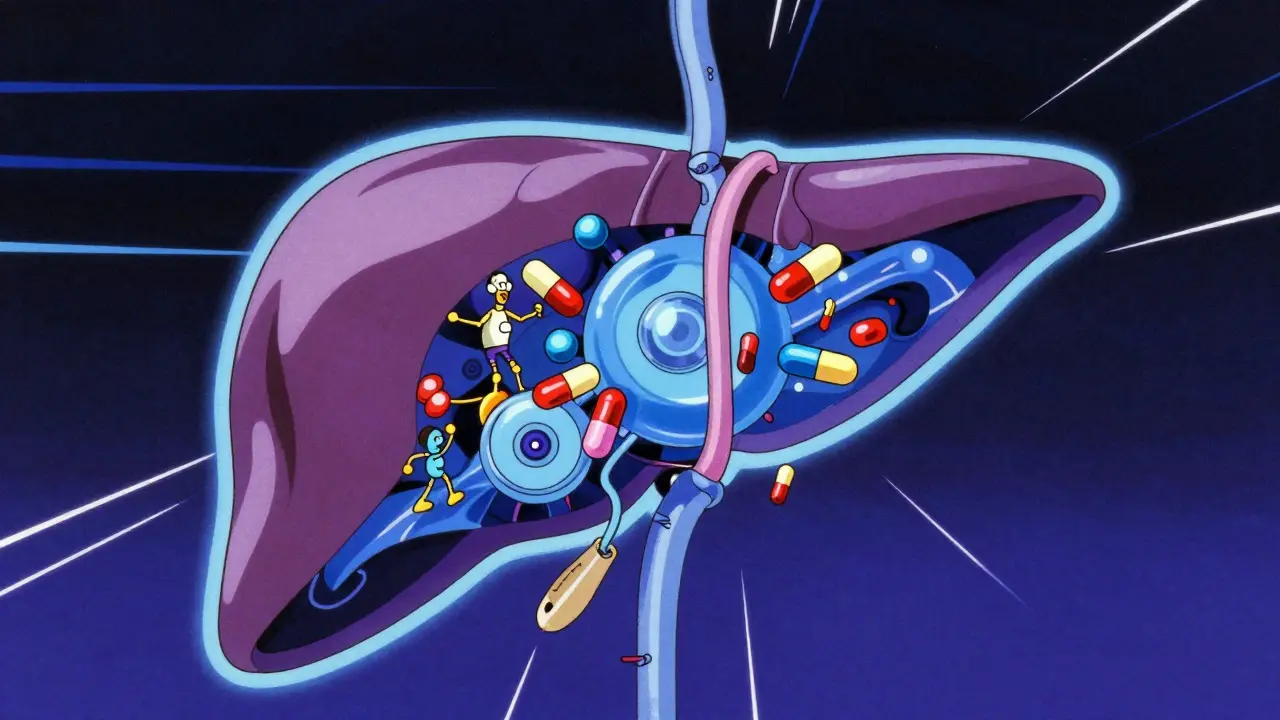
Pharmacokinetic interactions affect how your body absorbs, distributes, metabolizes, or excretes a drug. Think of this as the journey the pill takes through your system. The liver plays a huge role here, specifically through a group of enzymes called cytochrome P450 (CYP450). One specific enzyme, CYP3A4, is responsible for breaking down about 50% of all prescription drugs. If you take another medication that blocks this enzyme, the first drug stays in your system much longer than intended, building up to dangerous levels.
For example, fluconazole, an antifungal medication, inhibits CYP3A4. If taken with simvastatin, a common cholesterol drug, it can cause simvastatin levels in the blood to spike by up to 2,000%. This dramatically increases the risk of rhabdomyolysis, a severe condition where muscle tissue breaks down and releases harmful proteins into the blood, potentially causing kidney failure.
Pharmacodynamic interactions, on the other hand, occur when two drugs act on the same target in the body but have opposing or additive effects. Imagine trying to push a car forward while someone else pushes it backward-that’s antagonistic. Or imagine two people pushing the car forward from different angles-that’s additive. Combining two sedatives, like benzodiazepines and opioids, creates an additive effect that can slow breathing to fatal levels. Conversely, non-steroidal anti-inflammatory drugs (NSAIDs) can reduce the effectiveness of diuretics by causing your body to retain salt and fluid, counteracting the diuretic’s job of removing excess water.
The Three Main Types of Interactions
Not all interactions are created equal, and they don’t always involve two prescription pills. Experts generally categorize them into three groups:
- Drug-Drug Interactions: These are the most common, making up about 80% of clinically significant cases. This happens when two medications interfere with each other. For instance, warfarin, a blood thinner, has documented interactions with over 600 substances, including many antibiotics and antifungals.
- Drug-Food/Drink Interactions: Accounting for roughly 15% of issues, these occur when what you eat or drink alters a drug’s effect. The classic example is grapefruit juice. Compounds in grapefruit called furanocoumarins inhibit CYP3A4 enzymes in the intestine. This can increase blood levels of certain statins by 300-600%, raising the risk of muscle damage and kidney problems.
- Drug-Condition Interactions: These make up the remaining 5%. Your existing health status can change how a drug works. For example, beta-blockers, used for heart conditions, can block the airways in patients with asthma, triggering severe breathing difficulties because they interact with the same cell receptors targeted by asthma medications.
High-Risk Medications You Should Know About
Some drugs are notorious for interacting with others. If you are taking any of these, extra caution is required.
| Medication | Primary Use | Key Interaction Risks | Estimated Known Interactions |
|---|---|---|---|
| Warfarin (Coumadin) | Blood thinner | Antibiotics, antifungals, cranberry juice, vitamin K-rich foods | Over 600 |
| Digoxin (Lanoxin) | Heart rate control | Certain antibiotics, diuretics, calcium channel blockers | Over 300 |
| Levothyroxine (Synthroid) | Thyroid hormone replacement | Calcium supplements, iron supplements, antacids | Over 200 |
| Simvastatin (Zocor) | Cholesterol management | Grapefruit juice, fluconazole, certain antibiotics | Significant risk with CYP3A4 inhibitors |
Warfarin consistently ranks as the medication with the highest number of documented interactions. Even small changes in diet, like eating more spinach or kale (high in vitamin K), can alter its effectiveness, requiring frequent blood tests to monitor your INR (International Normalized Ratio). Digoxin has a narrow therapeutic window, meaning the difference between a helpful dose and a toxic one is very small. Levothyroxine absorption is easily blocked by minerals like calcium and iron, which is why doctors often recommend taking thyroid medication on an empty stomach, separate from supplements.
Why Elderly Patients Are at Higher Risk
Age is a major factor in medication safety. Older adults are significantly more vulnerable to drug interactions due to several compounding factors. First, the body’s ability to process drugs changes with age. Kidney function declines, and liver metabolism slows down, meaning drugs stay in the system longer.
Second, elderly patients often suffer from multiple chronic conditions-a situation known as multimorbidity. The average patient over 65 takes about 4.7 prescription medications daily. This practice, called polypharmacy, drastically increases the complexity of potential interactions. Studies show that older adults experience drug interactions at three times the rate of younger patients.
In fact, 42% of Medicare beneficiaries over 65 experience at least one potentially harmful drug interaction. The Beers Criteria, updated annually by the American Geriatrics Society, lists 54 specific drug interaction warnings for older adults. Implementing these guidelines has been shown to reduce adverse drug events by 27% in geriatric populations. Despite this, fragmented care remains a huge problem. When patients see multiple specialists, those doctors may not communicate effectively. A 2022 study found that 34% of patients discharged from hospitals had at least one undocumented interaction risk because their care was split across different providers who didn’t share full medication histories.
Practical Steps to Protect Yourself
You don’t need to be a pharmacist to manage your medication safety, but you do need to be proactive. Here is how you can minimize risks:
- Maintain a Complete Medication List: Keep an updated list of every prescription, over-the-counter drug, vitamin, and herbal supplement you take. Include dosages and frequencies. Update this list every time a doctor adds or removes something.
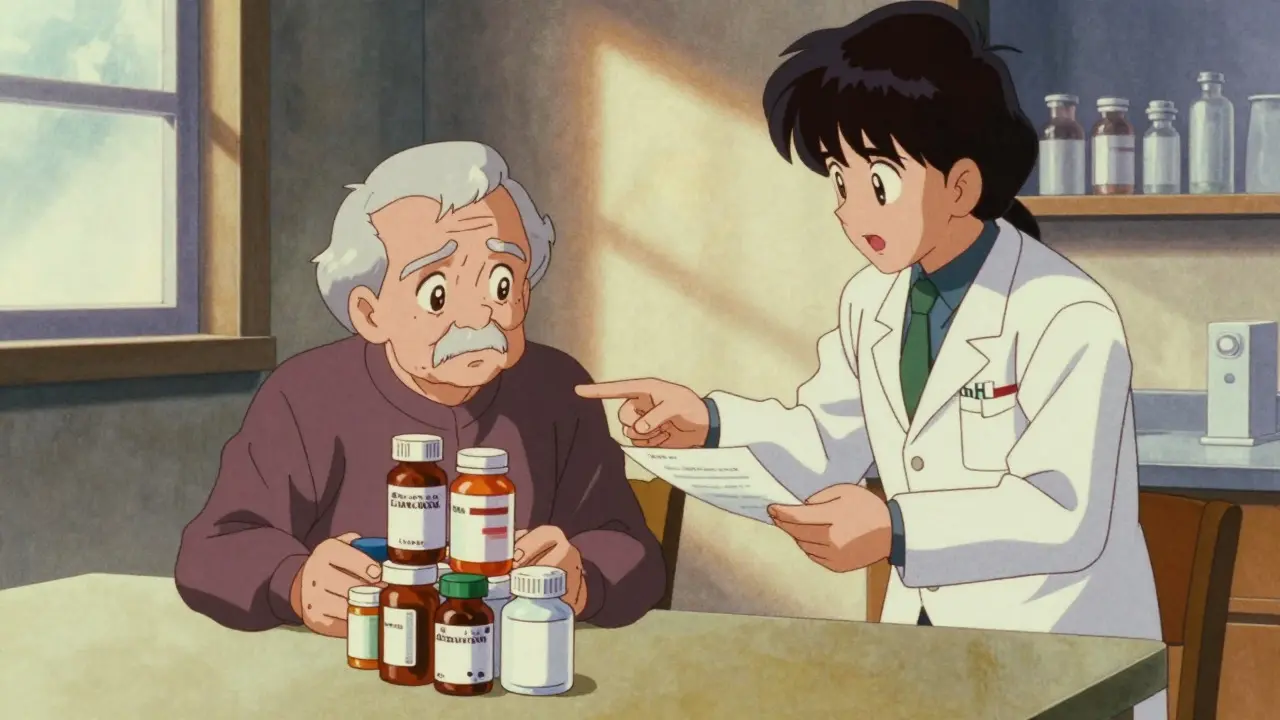
- Use a Single Pharmacy: Filling all your prescriptions at one pharmacy allows their computer systems to run comprehensive drug utilization reviews. Pharmacists are trained to spot conflicts that doctors might miss during short appointments.
- Ask About Timing: Some interactions can be avoided simply by spacing out doses. For example, taking levothyroxine at least four hours apart from calcium supplements can prevent absorption issues. Always ask your pharmacist if timing matters for your specific drugs.
- Be Honest About Lifestyle: Tell your healthcare provider if you drink alcohol, smoke, or consume large amounts of specific foods like grapefruit or cranberry juice. These habits can trigger interactions that aren’t obvious from a pill bottle label.
- Utilize Reliable Checkers: While online tools vary in quality, reputable resources like the FDA-approved GoodRx Drug Interaction Checker or the NIH’s LiverTox database provide valuable insights. However, never rely solely on an app; use it as a starting point for conversation with your doctor or pharmacist.
Remember, pharmacists identify and resolve millions of drug-related problems annually. In many cases, a quick call to your pharmacist can prevent a hospital visit. As one patient noted, their pharmacist caught a dangerous interaction between a new antidepressant and their blood pressure medication before they ever took the first dose.
The Future of Medication Safety
The landscape of drug interaction management is evolving. Currently, only about 25% of clinically significant drug interactions are identified during pre-approval clinical trials. This is largely because trials often exclude elderly patients and those with multiple health conditions-the very people most likely to experience these issues.
To address this, the FDA launched the Drug Interaction Knowledgebase (DIKB) in 2023, a machine-readable resource containing over 12,000 clinically validated interactions. Additionally, artificial intelligence is being integrated into electronic health records to predict previously undocumented interactions by analyzing hundreds of millions of clinical notes.
Looking ahead, personalized medicine based on pharmacogenomics-testing how your genes affect drug metabolism-is becoming standard. The FDA now includes pharmacogenetic information for over 350 drugs. By 2026, testing for CYP450 variants is expected to be routine for high-risk medications, allowing doctors to prescribe drugs that match your unique biological profile rather than relying on trial and error.
Until then, awareness remains your best defense. Drug interactions are among the top five preventable causes of medication errors. By understanding the basics, asking questions, and working closely with your healthcare team, you can ensure that your medications heal you rather than harm you.
What are the most common signs of a drug interaction?
Signs can vary widely depending on the drugs involved. Common symptoms include unexpected drowsiness, dizziness, nausea, vomiting, rapid heartbeat, confusion, or worsening of the condition you are treating. In severe cases, interactions can lead to bleeding, kidney failure, or respiratory depression. If you notice new or worsening symptoms after starting a new medication, contact your doctor immediately.
Can vitamins and supplements cause drug interactions?
Yes, absolutely. Many people assume natural means safe, but supplements can be potent. St. John’s Wort, for example, speeds up the metabolism of many drugs, reducing their effectiveness. Vitamin K can counteract blood thinners like warfarin. Calcium and iron supplements can block the absorption of thyroid medications and certain antibiotics. Always tell your doctor about every supplement you take.
How long does it take for a drug interaction to occur?
The timeline depends on the type of interaction. Pharmacokinetic interactions, which affect drug levels in the blood, can happen quickly, sometimes within hours or days of starting a new medication. Pharmacodynamic interactions, which affect how drugs act on the body, can also appear rapidly. However, some effects, like increased bleeding risk with blood thinners, may develop gradually as drug levels build up or fluctuate.
Is grapefruit juice really that dangerous with medications?
For certain medications, yes. Grapefruit juice contains furanocoumarins that inhibit the CYP3A4 enzyme in the gut. This prevents the breakdown of drugs like simvastatin, felodipine, and some immunosuppressants, leading to dangerously high concentrations in the bloodstream. The effect can last for up to 72 hours after drinking the juice, so it’s not enough to just avoid it at the same time as your pill. If you are on these medications, it is safest to avoid grapefruit entirely.
Who is most at risk for serious drug interactions?
Elderly patients, particularly those over 65, are at the highest risk due to age-related changes in metabolism and higher rates of polypharmacy. Other high-risk groups include patients with liver or kidney disease, those taking medications with narrow therapeutic windows (like warfarin or digoxin), and individuals seeing multiple specialists who may not coordinate their prescriptions effectively.