
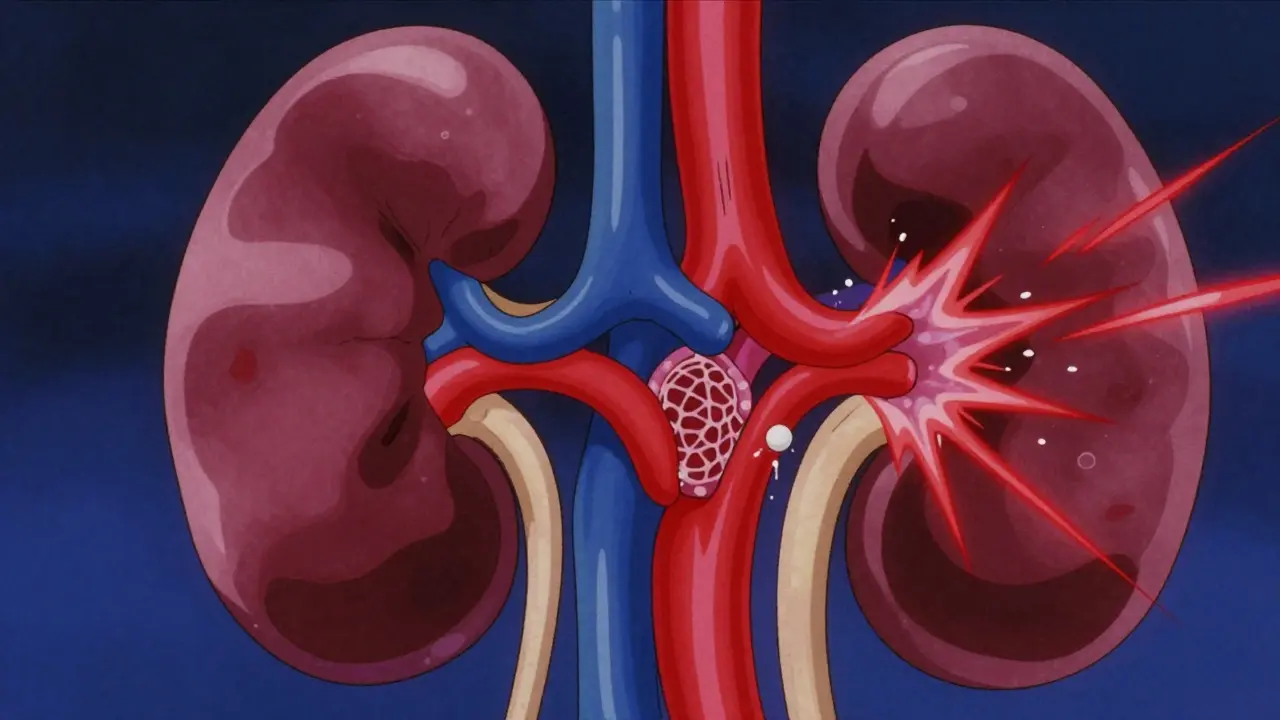
High blood pressure is often called the "silent killer" of kidneys. For anyone living with chronic kidney disease (CKD), keeping your blood pressure under control isn't just about feeling better today-it’s about saving your kidneys for tomorrow. The medical community has long relied on two specific classes of drugs to do this job: ACE inhibitors (Angiotensin-Converting Enzyme inhibitors) and ARBs (Angiotensin II Receptor Blockers). These medications are not just standard blood pressure pills; they are first-line defenses that actively protect kidney tissue from further damage.
If you have been diagnosed with CKD and proteinuria (protein in your urine), your doctor likely prescribed one of these. But why them? And more importantly, should you be worried if your kidney function numbers dip slightly after starting them? Let’s break down how these drugs work, why they are preferred over other options, and what the latest guidelines say about using them-even in advanced stages of kidney disease.
How ACE Inhibitors and ARBs Protect Your Kidneys
To understand why these drugs are so effective, we need to look at the Renin-Angiotensin-Aldosterone System (RAAS). Think of RAAS as your body’s natural thermostat for blood pressure. When your blood pressure drops or your kidneys sense low flow, this system kicks in to raise it by narrowing blood vessels and retaining salt and water. While this is helpful in an emergency, like a hemorrhage, it becomes harmful when it stays turned on all the time due to hypertension or diabetes.
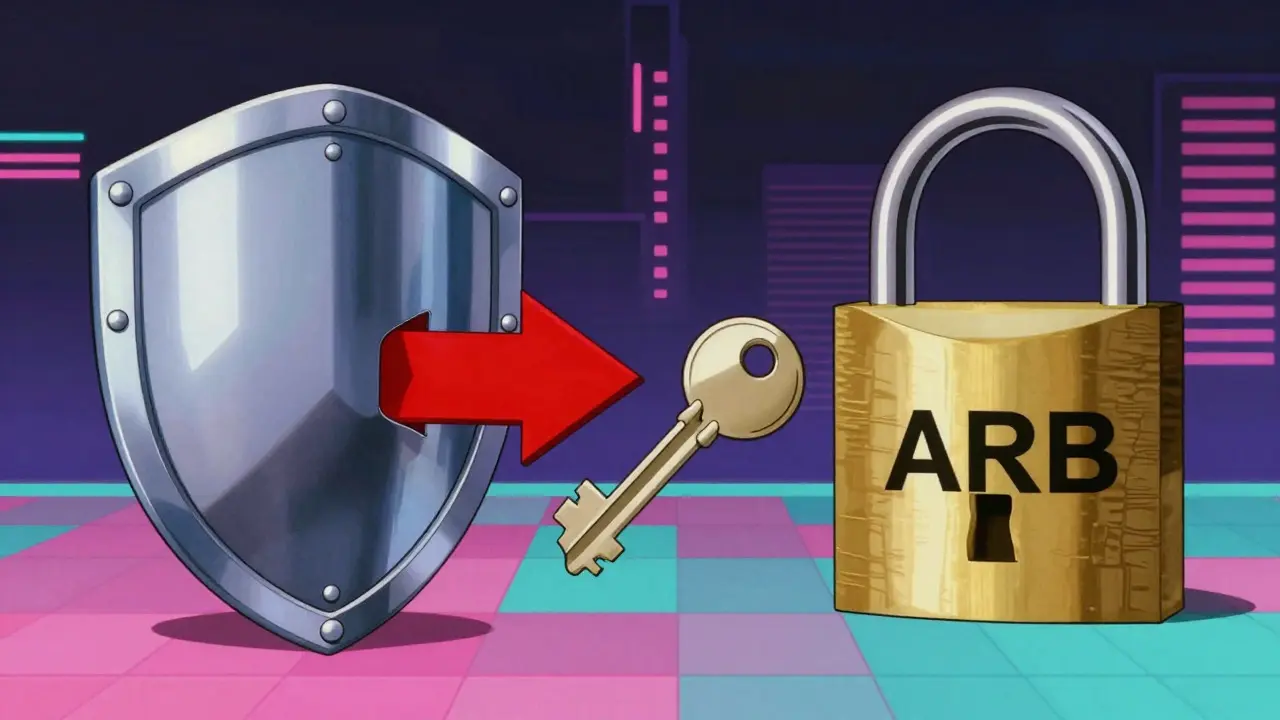
In the kidneys, high pressure forces waste products through the filtering units, called glomeruli, too aggressively. This causes leaks-specifically, protein leaking into the urine. Protein in the urine is toxic to the kidney tubules, causing inflammation and scarring. ACE inhibitors reduce the production of angiotensin II, a potent vessel constrictor, while ARBs block angiotensin II from binding to its receptors. Both actions relax the small arteries entering and exiting the glomerulus, lowering the internal pressure within the kidney filter.
This reduction in intraglomerular pressure does three critical things:
- Lowers systemic blood pressure.
- Reduces proteinuria (protein leakage) by 30-50%.
- Slows the progression of kidney damage by 20-40% compared to other antihypertensive agents.
The evidence for this is robust. A landmark analysis published in the Journal of the American Medical Association confirmed that patients with heart failure, diabetes, or a history of heart attack who took these medications saw a 25% reduction in the risk of reaching end-stage renal disease (ESRD). This isn't just theory; it's a proven mechanism that buys you time and preserves function.
ACE Inhibitors vs. ARBs: What’s the Difference?
While both drug classes target the same pathway, they work at different points and have different side effect profiles. Choosing between them often comes down to tolerance rather than efficacy.
| Feature | ACE Inhibitors | ARBs |
|---|---|---|
| Mechanism | Blocks conversion of Angiotensin I to II | Blocks Angiotensin II from binding to receptors |
| Common Examples | Lisinopril, Enalapril, Captopril | Losartan, Valsartan, Irbesartan |
| Cough Side Effect | Common (5-20% of patients) | Rare |
| Angioedema Risk | Low but present (0.1-0.2%) | Very rare |
| Proteinuria Reduction | Significant (30-50%) | Significant (30-50%) |
The most common reason patients switch from an ACE inhibitor to an ARB is a persistent dry cough. This happens because ACE inhibitors also block the breakdown of bradykinin, a substance that can irritate the airways. ARBs don’t affect bradykinin, so they spare you the cough without sacrificing kidney protection. If you’re tolerating your ACE inhibitor well, there’s no need to switch. But if that cough won’t go away, ask your doctor about switching to an ARB like losartan or valsartan.
The Myth of "Too Much Damage": Using These Drugs in Advanced CKD
For years, there was hesitation among some clinicians to prescribe ACE inhibitors or ARBs to patients with advanced CKD (Stage 4 or 5, where eGFR is below 30 mL/min/1.73m²). The fear was that these drugs might cause acute kidney injury or dangerous hyperkalemia (high potassium) in already fragile kidneys. This fear led to "therapeutic nihilism," where patients were denied proven benefits because doctors were afraid of potential risks.
However, recent data has shattered this myth. A 2024 study analyzed 1,237 patients with advanced CKD (mean baseline eGFR of 19.8 mL/min/1.73m²). Over a 34-month follow-up, those who started ACE inhibitor or ARB therapy had a 34% lower risk of progressing to kidney failure requiring dialysis or transplant (hazard ratio 0.66). There was no significant increase in mortality.
Similarly, a UK-based randomized controlled trial found that continuing these medications in Stage IV/V CKD patients resulted in higher estimated GFR levels after three years compared to those who stopped, with no evidence of harm. The current consensus from the KDIGO 2023 Guidelines is clear: continue ACE inhibitors or ARBs in patients with CKD stages 4-5 as long as:
- eGFR remains above 15 mL/min/1.73m².
- Serum potassium remains below 5.0 mmol/L.
Dr. Rajiv Agarwal, a nephrology professor, noted in a 2023 review that fear of adverse events has unnecessarily denied patients proven benefits. The key is monitoring, not avoidance.
Safety First: Monitoring Potassium and Kidney Function
Because ACE inhibitors and ARBs can raise potassium levels and temporarily lower kidney filtration rates, monitoring is non-negotiable. Here is what you need to know:
- Baseline Testing: Before starting, your doctor will check your eGFR, serum potassium, and urine albumin-to-creatinine ratio (UACR).
- Initial Monitoring: Blood tests should be repeated within 1-2 weeks of starting the medication or increasing the dose.
- Expected Changes: A drop in eGFR of up to 30% from baseline is considered acceptable and expected. It reflects the reduced pressure in the glomerulus, not actual damage.
- When to Worry: Discontinuation or dose adjustment is typically recommended if eGFR drops by more than 30% from baseline or if potassium exceeds 5.5 mmol/L.
About 10-15% of patients experience hyperkalemia (potassium >5.0 mmol/L). This doesn’t mean you stop the drug automatically. Often, dietary adjustments or adding a potassium binder can keep you on the medication. Only 5-10% experience a transient decline in eGFR greater than 30%, which usually stabilizes.
Should You Take Both? The Dual Blockade Debate
You might wonder if taking an ACE inhibitor and an ARB together would offer double the protection. Early studies showed this combination reduced proteinuria by an additional 15-20%. However, the Veterans Affairs Nephropathy Trial revealed a steep price: dual therapy increased the risk of hyperkalemia by 50% and doubled the incidence of acute kidney injury.
Current guidelines generally advise against routine dual RAAS blockade for most patients due to safety concerns. The exception might be in highly selected cases with severe proteinuria, managed by a specialist with frequent monitoring. For the vast majority, maximizing the dose of either an ACE inhibitor or an ARB alone is safer and equally effective for slowing disease progression.

Practical Tips for Patients
If you are managing CKD with these medications, here are actionable steps to stay safe and effective:
- Don’t Skip Doses: Consistency is key to maintaining stable blood pressure and kidney protection.
- Watch Your Diet: Limit high-potassium foods (bananas, oranges, potatoes) if your levels run high. Work with a renal dietitian.
- Avoid NSAIDs: Painkillers like ibuprofen or naproxen can counteract the effects of ACE inhibitors/ARBs and harm kidneys. Use acetaminophen instead unless told otherwise.
- Stay Hydrated: Dehydration can cause a sudden drop in kidney function. Drink water consistently, especially in hot weather.
- Report Symptoms: Tell your doctor immediately if you feel dizzy (sign of low BP), have muscle weakness (sign of high potassium), or develop a persistent cough.
The Future of Kidney Protection
Research is ongoing into newer therapies. ARNIs (Angiotensin Receptor-Neprilysin Inhibitors), such as sacubitril/valsartan, are showing promise. The 2024 PARADIGM-HF trial extension suggested these drugs could reduce kidney function decline by 22% compared to enalapril alone in heart failure patients with CKD. While currently approved primarily for heart failure, they may become a next-generation option for kidney protection in the coming years.
Until then, ACE inhibitors and ARBs remain the gold standard. They are affordable, widely available, and backed by decades of evidence. If you have CKD and high blood pressure, these drugs are not just optional-they are essential tools in preserving your kidney health.
Can ACE inhibitors and ARBs cure kidney disease?
No, they cannot reverse existing kidney damage. However, they significantly slow the progression of chronic kidney disease (CKD) by reducing proteinuria and lowering intraglomerular pressure. This helps preserve remaining kidney function for longer, potentially delaying or preventing the need for dialysis.
Why does my eGFR drop when I start an ACE inhibitor?
A slight drop in eGFR (up to 30%) is expected and actually indicates the drug is working. By relaxing the blood vessels in the kidney, the pressure inside the filtering units decreases. This reduces the hyperfiltration that damages kidneys over time. As long as the drop is less than 30% and potassium levels are normal, this change is beneficial and stable.
Which is better for kidneys: Lisinopril or Losartan?
Both are equally effective in protecting kidneys and reducing proteinuria. Lisinopril is an ACE inhibitor, while Losartan is an ARB. The choice depends on side effects. If you develop a dry cough with Lisinopril, switching to Losartan is recommended because ARBs rarely cause coughing. Efficacy-wise, they are comparable.
Is it safe to take ACE inhibitors in Stage 5 CKD?
Yes, recent guidelines (KDIGO 2023) support continuing ACE inhibitors or ARBs in Stage 4 and 5 CKD as long as eGFR is above 15 mL/min/1.73m² and potassium is below 5.0 mmol/L. Studies show this reduces the risk of progressing to dialysis by 34%. Close monitoring of potassium and kidney function is required.
What foods should I avoid if I’m on an ACE inhibitor?
You should monitor your intake of high-potassium foods, such as bananas, oranges, potatoes, tomatoes, and avocados, especially if your blood tests show elevated potassium levels. Also, avoid salt substitutes containing potassium chloride. Always consult your healthcare provider or a renal dietitian for personalized dietary advice.
Darcy Galway
August 12, 2026 AT 21:14My uncle in Toronto had his kidneys go bad because he kept taking ibuprofen for his back pain. He didn't know it was bad for the filters. Now he is on dialysis three times a week. It is very sad to see someone suffer like that when they just need to listen to the doctor about the pills.
Samuel Hershberger
August 14, 2026 AT 14:42Darcy, you are absolutely right about the NSAIDs. It is one of the most common mistakes I see patients make. They think over-the-counter means safe, but with CKD, those drugs constrict the blood vessels entering the kidney while ACE inhibitors try to dilate them. It creates a tug-of-war that the kidney loses. Always stick to Tylenol unless your nephrologist says otherwise.
Also, regarding the eGFR drop mentioned in the post: don't panic if your number drops by 10-20% after starting Lisinopril or Losartan. That is actually a sign the drug is working by lowering the pressure inside the glomerulus. As long as it stays under a 30% drop and your potassium is normal, you are doing great!
Saher Ghattas
August 14, 2026 AT 21:48The entire RAAS pathway theory is heavily influenced by pharmaceutical lobbying. The 'silent killer' narrative is designed to keep you dependent on lifelong prescriptions. Why do you think natural diuretics like dandelion root are never mentioned? Because they don't have patent protections. The slight dip in GFR isn't 'expected,' it's early toxicity masked by statistical manipulation in these so-called landmark studies. Wake up.
Ella Mentry
August 16, 2026 AT 16:57Saher, oh my god, stop with the conspiracy theories already. My mother has been on an ARB for ten years and her kidneys are stable. If you think she should just eat weeds instead of medicine, please come talk to me when she ends up in the hospital. You are so annoying with this 'wake up' stuff. Nobody cares about your dandelion roots. Just let people take their meds and live their lives without judging them for trusting actual doctors. It is exhausting dealing with people who think they know better than science because they read a blog post from 2012.
Traci Bobbitt
August 17, 2026 AT 12:33I've been on Lisinopril for years and that dry cough is literally the worst thing ever. It feels like someone is tickling the back of your throat constantly. Switched to Valsartan and life is good again. No cough, same BP control. Don't suffer through the cough if you don't have to. Your doctor will switch you in five minutes.
Dennis Leeftink
August 17, 2026 AT 19:43Traci is right but everyone ignores the potassium issue. You can be on the best drug in the world but if you eat a banana every day your heart stops. Simple as that. Most people are stupid about diet. They think low sodium is enough. Potassium kills you faster than salt in late stage CKD. Stop eating oranges. It is not hard.
Ambria St louis
August 17, 2026 AT 21:08Dennis; while your point about potassium is valid; it is important to remember that dietary needs vary greatly from person to person. Not everyone needs to avoid all fruits. Some patients have normal potassium levels despite a varied diet. It is crucial to consult with a renal dietitian rather than making broad generalizations. We must approach health with nuance; compassion; and individualized care. One size does not fit all; and we should respect that diversity in patient management.
Mathew Stuckey
August 18, 2026 AT 20:53Great info here! 🌟 I always forget to check my potassium levels after changing doses. Thanks for the reminder everyone. Stay hydrated and keep listening to your bodies! 💪💧
John Divers
August 20, 2026 AT 08:22The balance between intervention and observation is delicate. We must trust the data presented in the KDIGO guidelines. Dual blockade remains risky for most. Patience and adherence are virtues in chronic disease management. Let us proceed with caution and hope.