
When you take warfarin, a blood thinner used to prevent clots in people with atrial fibrillation, artificial heart valves, or a history of deep vein thrombosis. Also known as Coumadin, it’s one of the most common but tricky medications out there because even small changes in what you take can throw off your dosing. Warfarin doesn’t just interact with other pills—it reacts with herbs, vitamins, and even your daily salad. A single cold medicine, a new antibiotic, or too much kale can send your INR levels soaring or crashing, and that’s not something you want to learn the hard way.
Many people don’t realize that over-the-counter cold medicines, including common pain relievers like ibuprofen and high-dose acetaminophen can increase bleeding risk when mixed with warfarin. Even something as simple as antibiotics like clarithromycin or ciprofloxacin, used for sinus infections or urinary tract infections can make warfarin stick around longer in your body, turning a safe dose into a dangerous one. And then there’s vitamin K—found in spinach, broccoli, and Brussels sprouts—which directly opposes warfarin’s effect. You don’t need to avoid these foods, but you do need to keep your intake steady. One week of heavy greens, then none for three days? That’s a recipe for unstable blood levels.
It’s not just about what you take—it’s about what you don’t tell your doctor. People forget to mention they started taking fish oil, garlic pills, or ginkgo biloba because they think it’s "just a supplement." But supplements aren’t regulated like drugs, and many can amplify warfarin’s effects. A 2023 study in the Journal of Thrombosis and Haemostasis found that nearly 40% of warfarin-related ER visits were linked to unreported supplement use. And it’s not just pills—alcohol, even in small amounts, can interfere with how your liver breaks down warfarin. The key isn’t perfection. It’s awareness. Know your triggers. Track what you eat and take. And never start or stop anything without checking with your provider.
Below, you’ll find real, practical guides written by people who’ve been there—how to read labels on cold meds, what antibiotics are safest, how to handle diet changes, and what to do when you’re unsure. No fluff. No theory. Just what works when your life depends on getting this right.
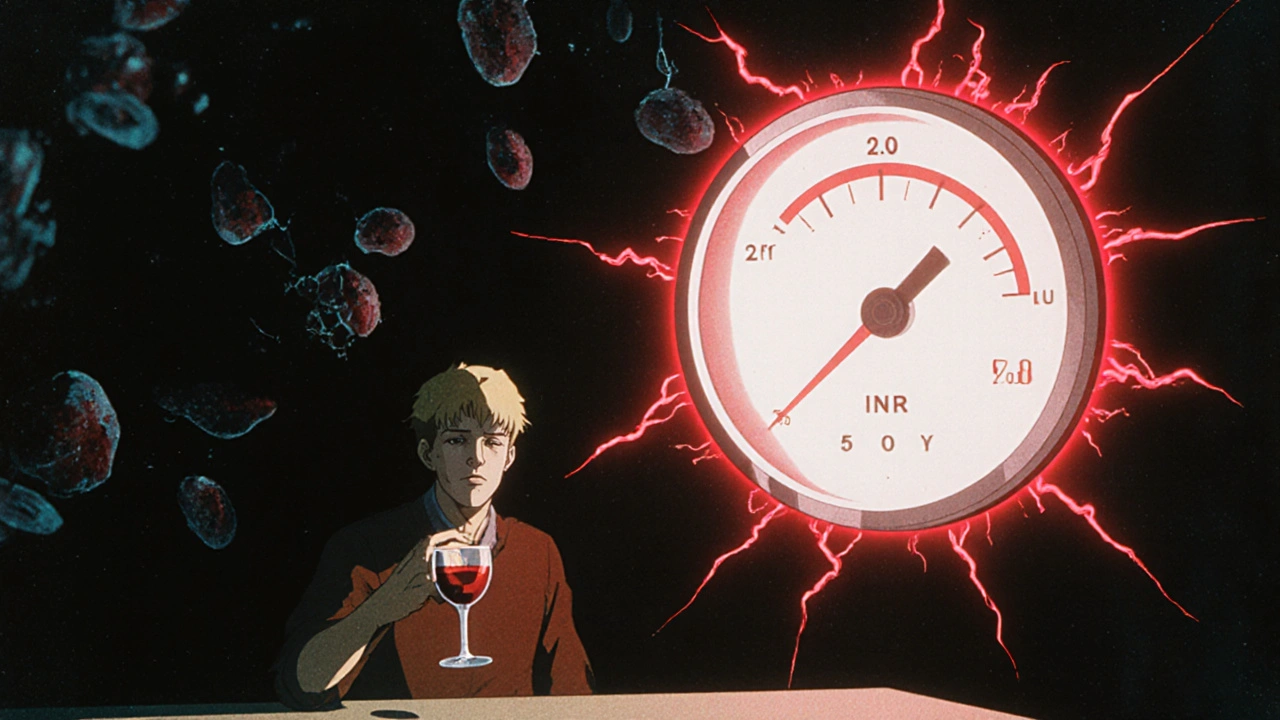
Alcohol can cause dangerous INR fluctuations in people taking warfarin, increasing bleeding risk. Learn how drinking affects your blood thinning levels, what's safe, and what warning signs to watch for.