
When you have sleep apnea, a condition where breathing repeatedly stops and starts during sleep. It's not just snoring—it's your body struggling to get air, often without you even realizing it. This isn’t rare. One in five adults has mild sleep apnea, and one in fifteen has the moderate to severe kind. Left untreated, it doesn’t just leave you tired—it raises your risk for high blood pressure, heart attacks, and even sudden death while sleeping.
Obstructive sleep apnea, the most common type, happens when throat muscles relax too much and block your airway. OSA is linked to obesity, large neck size, and aging, but it also gets worse with certain medications, like benzodiazepines, opioids, and even some allergy or sleep aids that relax muscles. If you’re on painkillers, anxiety meds, or muscle relaxants, you might be making your apnea worse without knowing it. Even alcohol, which many use to fall asleep, relaxes the throat and increases breathing pauses.
CPAP therapy, a machine that pushes air through a mask to keep your airway open, is the gold standard treatment. But it’s not the only option. Some people benefit from oral devices, weight loss, or positional therapy. Others need surgery if anatomy is the main issue. What’s clear is this: if you’re constantly tired, wake up gasping, or your partner says you stop breathing at night, you’re not just "bad at sleeping"—you might have a medical condition that needs attention.
Many of the posts here dive into how drugs interact with conditions that overlap with sleep apnea. For example, opioids in older adults can slow breathing even more, making apnea deadlier. Alcohol and blood thinners? They don’t directly cause apnea, but they mess with your sleep quality and increase bleeding risk if you’re on oxygen therapy or have heart strain from untreated apnea. Even something as simple as taking calcium or iron supplements at night can interfere with thyroid meds, which can indirectly affect your metabolism and weight—two big players in sleep apnea.
There’s no one-size-fits-all fix. But knowing what triggers your apnea—whether it’s your weight, your meds, your sleeping position, or something else—gives you power. The articles below cover real cases, medication risks, and practical steps people have taken to breathe easier at night. You’ll find what works, what doesn’t, and what to ask your doctor before you take another pill that could be quietly harming your sleep.
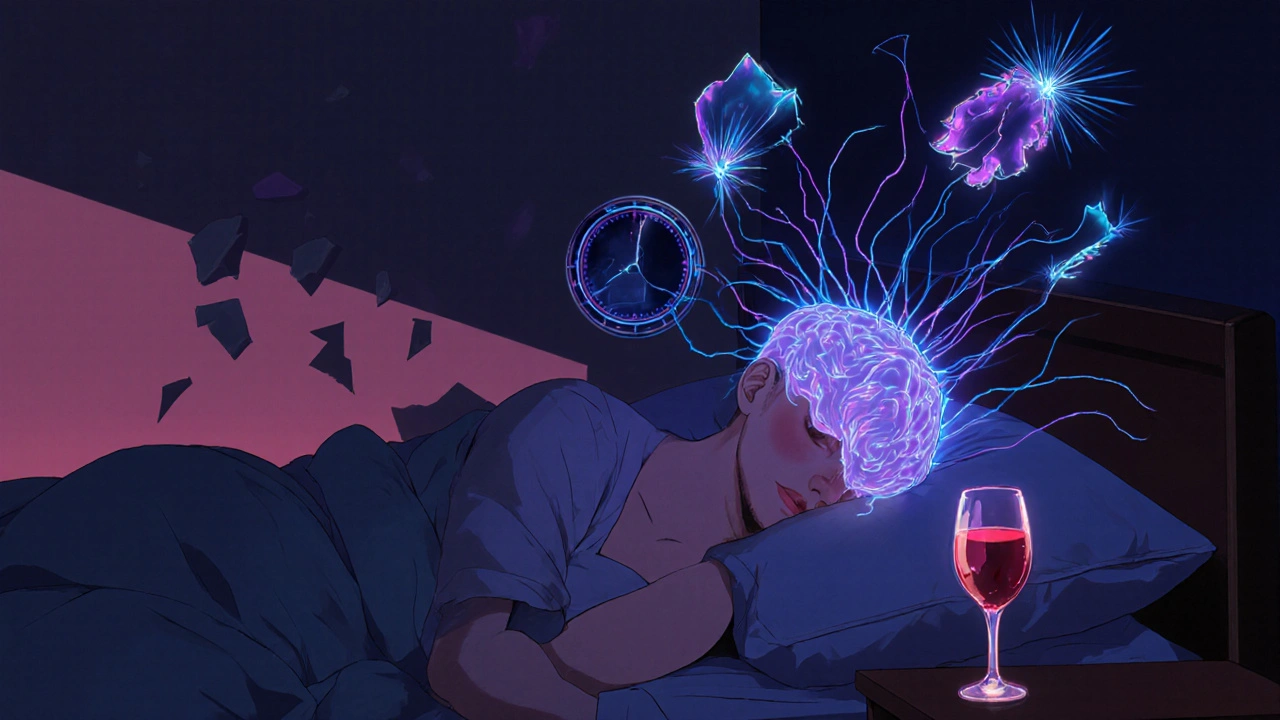
Alcohol may help you fall asleep faster, but it fragments your sleep, worsens apnea, and leaves you tired the next day. Learn how even one drink disrupts your brain’s natural sleep cycle and what to do instead.