
When you see PRN, a medical abbreviation for "pro re nata," meaning "as needed". Also known as as-needed medication, it refers to drugs you take only when symptoms appear—not every day, not on a clock. This isn’t just a lazy way to prescribe pills. PRN is a smart, flexible tool for managing pain, anxiety, nausea, or sudden flare-ups without overmedicating. Think of it like a fire extinguisher: you don’t use it every morning, but you need it ready when things go wrong.
Common PRN drugs, include pain relievers like diclofenac sodium, anti-nausea meds like Compazine, and sedatives like benzodiazepines. Also known as as-needed prescriptions, they’re designed for short-term, situational relief. But here’s the catch: just because you don’t take them daily doesn’t mean they’re harmless. Taking too much too fast, mixing them with alcohol, or using them for non-approved reasons can lead to serious problems. That’s why reading labels, knowing your limits, and talking to your doctor about triggers matter more than you think. For example, someone on warfarin might need PRN acetaminophen for pain—but not NSAIDs, which can spike bleeding risk. Or a person with epilepsy might safely use aspirin, unless they’re on valproate, which can interact dangerously.
PRN isn’t just about the drug—it’s about timing, triggers, and self-awareness. If you’re on PRN meds, ask yourself: What symptom am I treating? How often is too often? What happens if I skip it? These aren’t just questions for your pharmacist—they’re life-saving habits. The posts below cover real cases: how people manage PRN use with blood thinners, antipsychotics, antibiotics, and more. You’ll find guides on dosing, interactions, and how to spot when PRN turns from help into hazard. Whether you’re a patient, caregiver, or just trying to understand your own script, this collection gives you the facts you need to use PRN safely—and know when to ask for help.
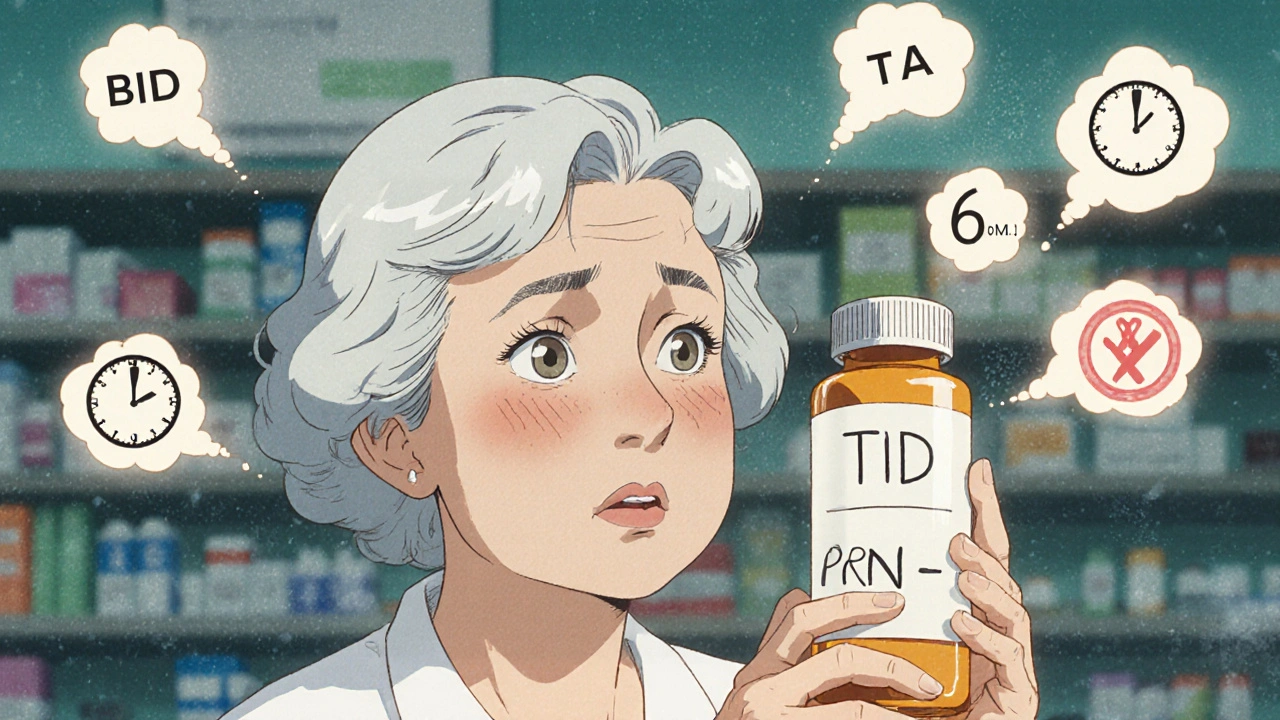
Learn what BID, TID, and PRN really mean on your prescription label, why timing matters, how to avoid dangerous mistakes, and what’s changing by 2026. Take control of your meds with simple, clear steps.