
When your doctor writes BID, a Latin abbreviation for "bis in die," meaning twice a day. Also known as twice daily, it's one of the most common dosing instructions on prescriptions—but also one of the most misunderstood. BID isn’t just a reminder to take your pill two times a day. It’s a precise timing strategy designed to keep drug levels steady in your body. Take it too close together? You risk overdose. Too far apart? The medicine stops working before the next dose. This isn’t guesswork—it’s science.
Medications labeled BID are often those that break down quickly in your system, like antibiotics, blood pressure pills, or certain pain relievers. For example, if you’re on BID amoxicillin, taking it at 8 a.m. and 8 p.m. gives your body consistent coverage to kill bacteria. But if you take both pills at night, you’re leaving 16 hours without protection—and that’s how infections come back. Same goes for blood thinners like warfarin, where even small timing shifts can throw off your INR levels. And it’s not just about pills: BID applies to inhalers, patches, and even eye drops. The goal is always the same: maintain therapeutic levels without peaks and crashes.
People often mix up BID with Q12H (every 12 hours). They sound similar, but Q12H means exactly 12 hours apart—no flexibility. BID is more forgiving: morning and evening, around meals, or before bed. Still, consistency matters. Skipping a dose because you slept in? That’s how resistance builds in antibiotics. Forgetting your second pill because you’re at work? That’s why support groups for generic meds exist—to help people stay on track with real-life advice. And if you’re on multiple BID drugs, timing clashes can happen. A beta-blocker at breakfast and an NSAID at dinner might be fine, but stacking them with alcohol? That’s where bleeding risks or liver stress show up. That’s why drug interaction guides, like those for macrolides or warfarin, are so critical.
Older adults face unique challenges. Opioids in seniors, for example, often come with BID instructions—but their metabolism slows down. What’s safe at 50 might be dangerous at 75. That’s why deprescribing and dose adjustments are part of modern care. And for students juggling classes and part-time jobs, forgetting BID meds is common. That’s why medication safety guides for young adults focus on alarms, pill organizers, and peer reminders.
There’s no one-size-fits-all schedule. Your BID dose might need to align with meals (to reduce stomach upset), sleep cycles (to avoid drowsiness at work), or lab tests (like INR checks for blood thinners). Some people swear by taking their pills with breakfast and dinner. Others split them at 7 a.m. and 7 p.m. The key isn’t perfection—it’s consistency. And if you’re unsure, check your drug guide. Whether you’re managing lupus with deflazacort, controlling acne with adapalene, or treating COPD with Spiriva, the timing matters as much as the dose.
Below, you’ll find real-world guides that break down exactly how BID dosing affects everything from antibiotics to antipsychotics. No jargon. No fluff. Just clear, practical info to help you take your meds right—every time.
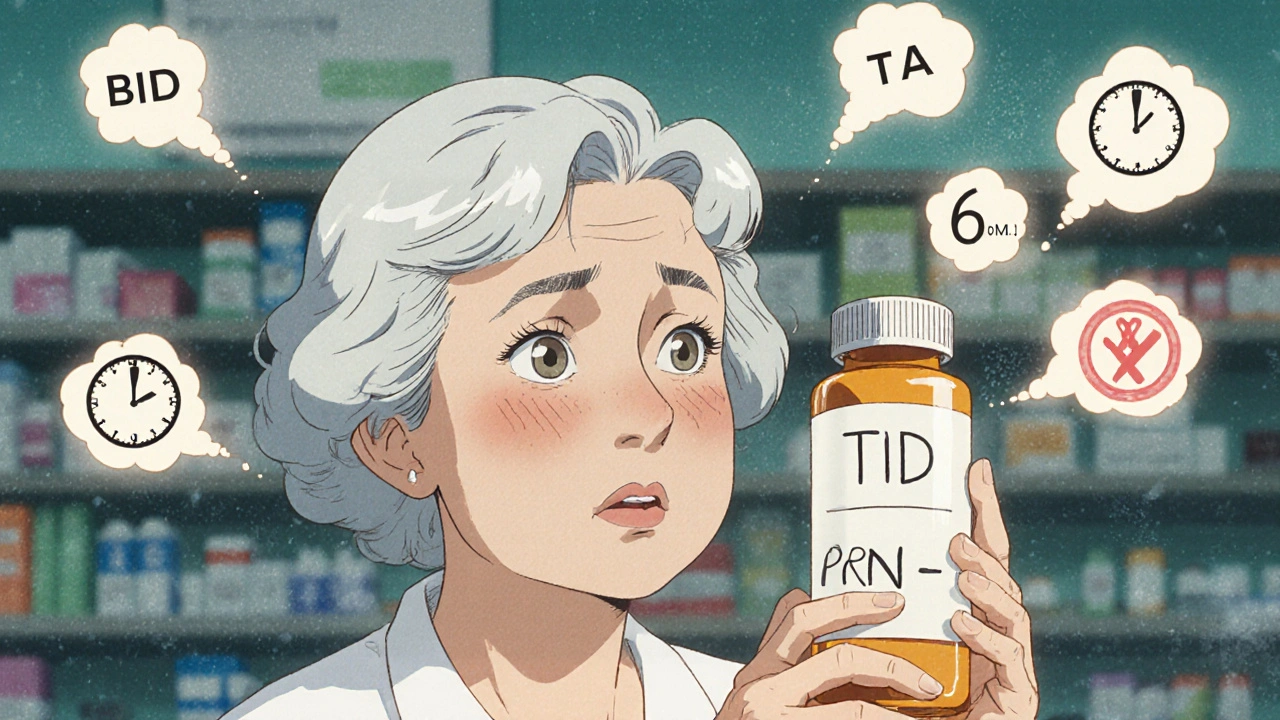
Learn what BID, TID, and PRN really mean on your prescription label, why timing matters, how to avoid dangerous mistakes, and what’s changing by 2026. Take control of your meds with simple, clear steps.